

Why Qualcomm-related regulatory news matters now
It might seem like news about one company, Qualcomm, only affects them. But actually, what happens with Qualcomm in terms of rules and laws is super important for many other companies in the tech world. Think of it like this: Qualcomm is a big player. They make important parts, called chips, that go into lots of phones and other tech products.
When Qualcomm faces new rules or legal issues, these events often show what might happen to other companies too. This includes businesses that make chips, build devices, or create software platforms. These events can tell us about bigger changes coming for everyone in the industry. For example, if there’s a new rule about how chips can be sold, it won’t just affect Qualcomm. It will also affect competitors or partners like those working on deepsite ai solutions or advanced tools from companies like peak technologies.
That’s why staying updated on all the qualcomm news about rules and laws is a must for many people. Leaders in tech companies, people who invest money, and teams that make sure companies follow the rules all need to know this information.

They need a simple, clear summary to understand what risks are out there and what steps they should take next. This helps them plan better and avoid problems in 2026 and beyond.
Do you want to get clear daily updates about important tech and AI regulations? You can subscribe here: The AI Newsletter Worth Reading.
Regulatory Roundup: Recent Enforcement and Oversight Trends Affecting Chipmakers
In 2026, the world of chipmakers, especially big ones like Qualcomm, is seeing many changes in rules and laws. These changes are not just about one company. They affect how all companies that make chips, or use them in their tech products, must do business. Keeping up with these trends is key for anyone in the industry.

Recent Legal Moves Against Chipmakers
Qualcomm has been involved in several important legal cases that tell us a lot about what regulators are looking for. For instance, the Federal Trade Commission (FTC) once filed a complaint accusing Qualcomm of using unfair business methods to stop competition in the chip market years ago. However, in 2020, a U.S. appeals court overturned an earlier ruling against Qualcomm, which was a big win for the company at that time, and the full Ninth Circuit Court of Appeals later denied the FTC’s request to reconsider, leaving the decision intact. This shows how complex and long these legal fights can be for major chip companies. If you’re interested in learning more, you can watch an expert discussion about the Ninth Circuit’s Decision in FTC v. Qualcomm.
More recently in 2026, there was news about Qualcomm in the UK. A lawsuit that claimed the company forced Apple and Samsung to pay too much for chip licenses was actually dropped. The British Consumers’ Association decided to withdraw its complaint, meaning they felt Qualcomm was not at fault in the end. This is a crucial bit of qualcomm news that shows how different regions handle these issues.
Global Rules Make Things Tricky
It’s not just about one country’s laws. Chipmakers today face a mix of rules from all over the world. This can make following the rules very hard. For example, rules about what tech products can be sent out of a country are called export controls. These rules are a big deal for companies that make semiconductors, because their supply chains often stretch across many countries. New rules in 2026 mean that changes to export controls or other requirements can quickly alter where companies can get their parts or sell their goods.
Beyond export rules, data privacy is another big area. Many new data privacy laws came into effect in the U.S. in 2026, including laws in Indiana, Kentucky, and Rhode Island. These laws give people more rights over their personal information. Similarly, the European Union has strong rules like the General Data Protection Regulation (GDPR), which demands careful handling of personal data. All these different laws mean that companies making chips and tech products must be very careful about how they collect, store, and use data, no matter where their customers are.
These kinds of rules and investigations, whether about how companies compete or how they handle data, create a challenging picture for chipmakers. Keeping an eye on these global trends, from the latest qualcomm news to wider data privacy rules, is essential for staying compliant and planning for the future. You need a clear understanding of these broad changes to navigate the complex world of tech regulation in 2026. For more guidance on how to manage these challenges, you can explore strategies for mastering oversight of classified and sensitive technologies for 2026 compliance.
Antitrust and Competition Risks: Lessons from Major Chipset Litigation
Following the big changes in rules and laws we talked about earlier, it’s clear that antitrust and competition issues are a huge part of the puzzle for chipmakers like Qualcomm. These legal battles are not just about who wins or loses in court. They can deeply change how companies do business and how they license their important technology.
How Antitrust Cases Change Business
Antitrust laws are in place to make sure companies compete fairly. When a company is accused of breaking these rules, like using unfair methods to get ahead, it can lead to long and costly lawsuits. The Federal Trade Commission (FTC) once accused Qualcomm of using such methods in the chip market, claiming they stopped competition. These kinds of accusations can lead to big problems for companies making popular tech products.
If a company is found guilty in an antitrust case, the court can order different types of punishments. These are called "remedies" and can truly shake up a business:
- Injunctions: These are court orders telling a company to stop certain actions. For example, a court might order a chipmaker to change how it licenses its technology to other companies. An earlier U.S. judge’s decision against Qualcomm had determined the company unlawfully stifled competition and might have compelled them to revamp how they operate U.S. judge says Qualcomm violated antitrust law.
- Fines: Companies can be ordered to pay huge sums of money. These fines can sometimes reach billions of dollars, making a big dent in a company’s profits.
- Behavioral Remedies: These rules force companies to change their business practices in the long run. This might mean changing pricing, sales methods, or how they work with other companies.
A key area in many chipmaker cases is how companies license their "Standard-Essential Patents" (SEPs). These are patents for technologies that are so important, they must be used in certain industry standards. For example, 5G wireless technology relies on many SEPs. Companies that own these patents promise to license them on "Fair, Reasonable, and Non-Discriminatory" (FRAND) terms. This means they should offer licenses to everyone who wants to use the technology on fair and equal terms, so no one company gets an unfair advantage. Getting this right is a big part of avoiding antitrust trouble Introduction to SEP & FRAND Issues.
In Qualcomm’s case with the FTC, the Ninth Circuit Court of Appeals eventually reversed a lower court’s decision that had issued a worldwide order against Qualcomm’s patent licensing practices Qualcomm Wins Ninth Circuit Appeal, Vacating Worldwide Injunction on Its Patent Licensing Practices. This shows how complicated these cases are and how the outcome can change after many years and appeals. Still, the possibility of these big changes looms over any company dealing with essential technologies.
Practical Steps to Avoid Antitrust Risks
To lower the chances of facing antitrust lawsuits, companies that make chips or use them in their offerings like those from Peak Technologies, need to be very careful. Here are some simple steps for legal teams and product developers in 2026:
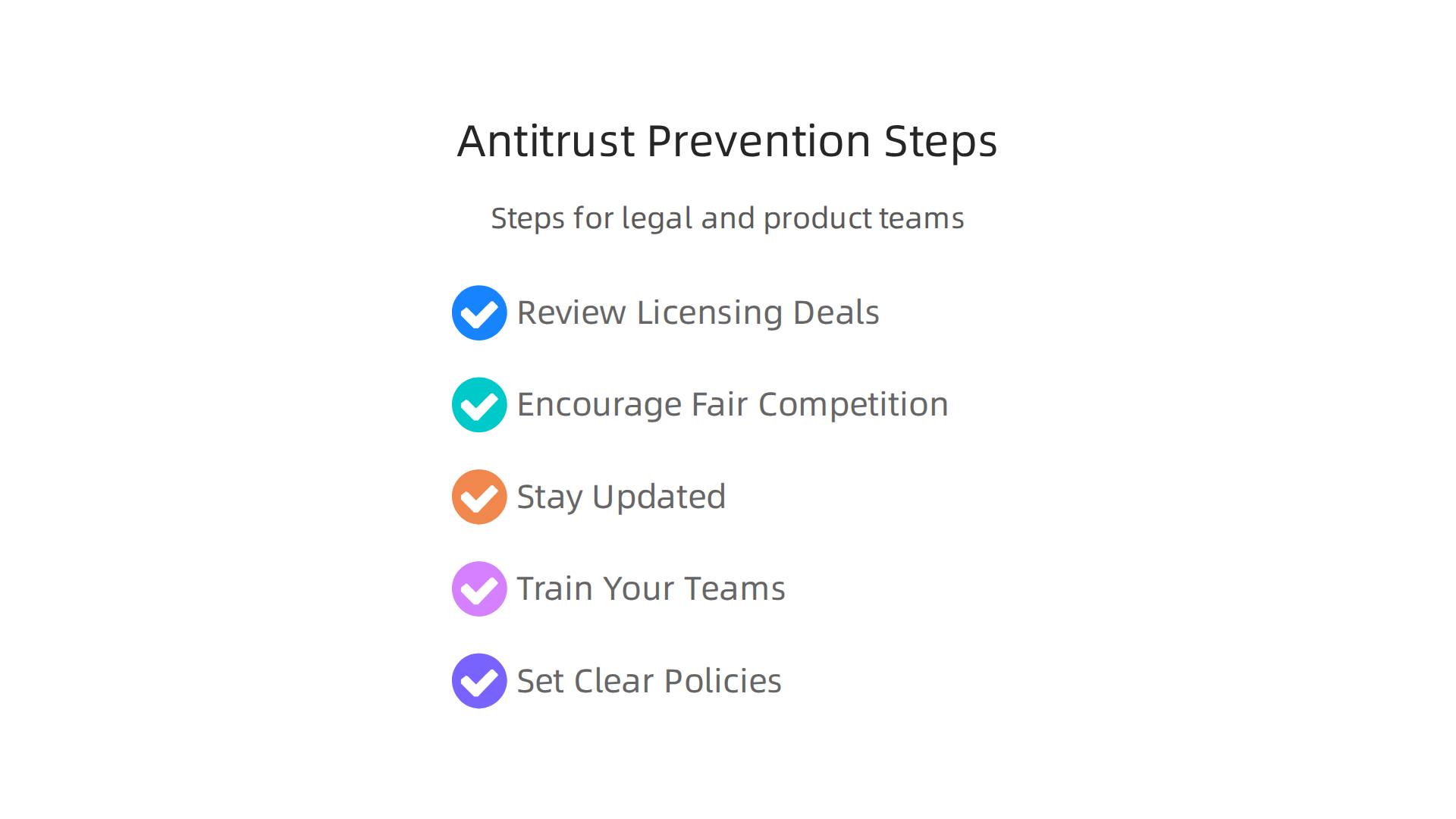
- Review Licensing Deals: Regularly check all licensing agreements to make sure they are fair and open to everyone who needs them. Are your FRAND commitments being honored?
- Encourage Fair Competition: Make sure your company’s actions truly promote competition, not stop it. Avoid any deals that could make it harder for smaller companies or new ideas to grow.
- Stay Updated: Keep up with the latest rules and guidance from competition authorities around the world. What might be okay in one country could be an issue in another. Tools like DeepSite AI can help track these changes, but human oversight is still key.
- Train Your Teams: Make sure everyone, from sales to engineering, understands antitrust laws. Regular training can help people spot potential problems early.
- Set Clear Policies: Have clear rules about how your company competes, prices its products, and licenses its technology. This helps everyone stay on the right path.
Navigating these challenges requires constant attention and smart choices to avoid big fines and major business changes. You can learn more about how to protect your company’s growth by reading about tech startup regulation design for growth to avoid billions in fines.
Staying informed about the fast-changing world of tech regulation is vital for anyone in the industry. For clear daily updates on AI and technology regulatory insights, consider subscribing to The Deep View Newsletter.
The AI Newsletter Worth Reading
Building on the complex world of antitrust laws, chipmakers also face major hurdles from export controls and national security rules. These rules are put in place by governments to protect their own interests, like keeping advanced technology from falling into the wrong hands. For companies making chips, like Qualcomm, or those that use them in their offerings, such as Peak Technologies, understanding these controls is a must.
How Export Controls Change Business for Chipmakers
Export controls are government rules that limit which products, software, or even information can be sent to other countries or foreign persons. For companies dealing with advanced chips, especially those used in AI, these rules can deeply change how they do business.
- Product Distribution: These rules often decide where a company can sell its chips. For example, the U.S. Department of Commerce’s Bureau of Industry and Security (BIS) has made new rules in 2026 about sending advanced AI chips to certain places, like China. What was once generally denied is now reviewed case-by-case, but with very strict conditions BIS Revises Export Review Policy for Advanced AI Chips Destined …. This means that a chipmaker needs special permission, or a license, to send many of its most powerful "tech products" abroad.
- Partner Selection: When working with other companies, chipmakers must be careful about who their partners are. If a partner is in a country with strict export controls, or if they are on a government watchlist, it can stop the deal. This affects who a company can choose to manufacture, sell, or even use their technology.
- Supply Chains: The supply chain for chips is global, meaning parts and steps happen all over the world.

Export controls can make this chain much harder to manage. Changes in these rules can quickly reshape where companies can get their materials or where they can send their finished chips, making supply chains a big bottleneck in 2026 Semiconductors in 2026: Why supply chains are a major …. Geopolitical tensions add new risks to these global supply chains Global Semiconductor Industry Outlook 2026.
Key Steps for Compliance
Staying on the right side of these rules is not simple. It means constant work and checking to make sure everything is compliant. Here are some key things companies must do:
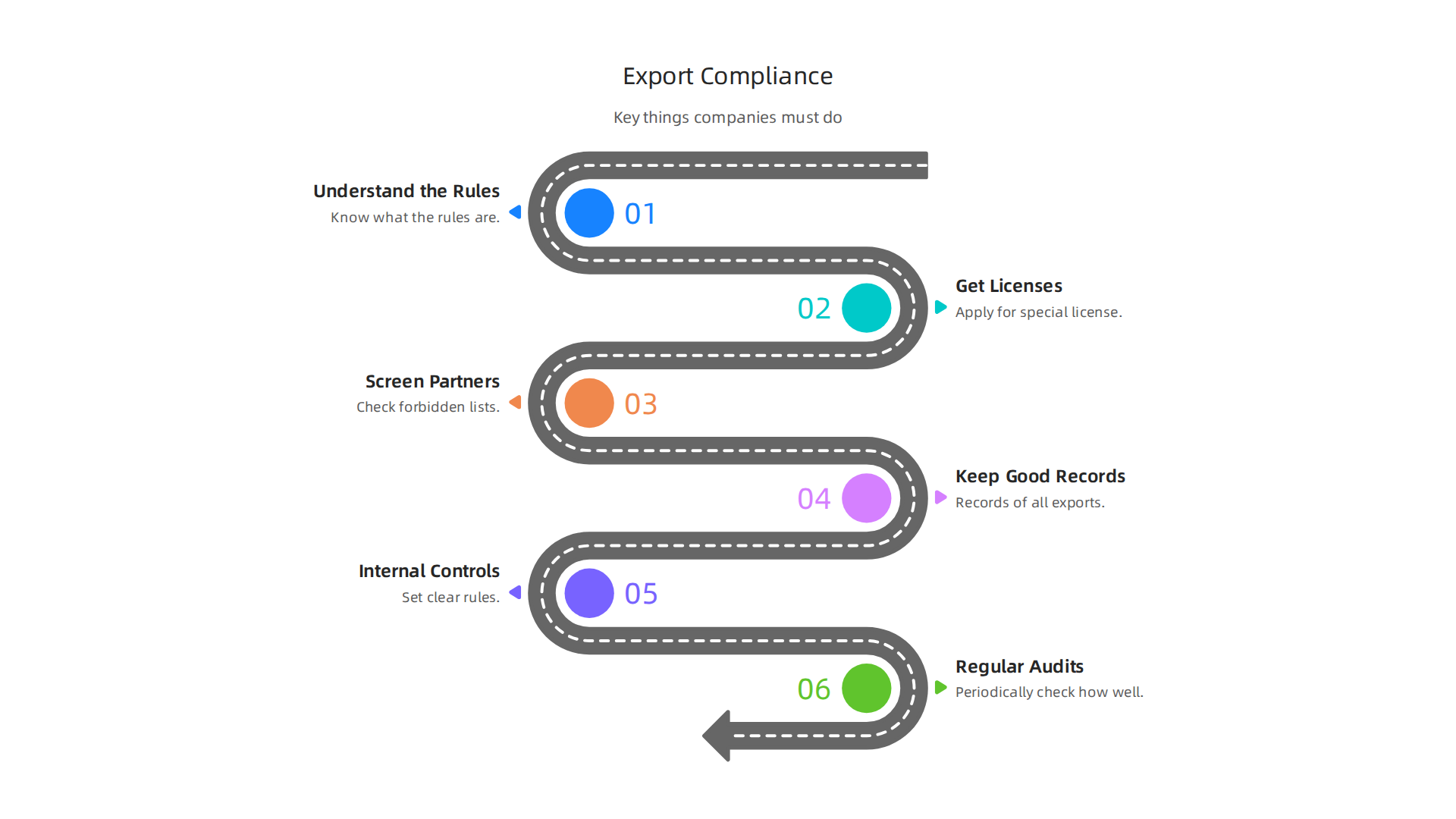
- Understand the Rules: The first step is to know what the rules are. The Bureau of Industry and Security (BIS) often updates its rules, especially for important technologies like advanced computing semiconductors News and Updates | Bureau of Industry and Security. Companies need to keep up with these changes.
- Get Licenses When Needed: Many exports of high-tech items need a special license. Companies must apply for these licenses and provide all the right details. This might even include getting a certification from a third-party lab about the chip’s features before export. You can find more details in this Federal Register document from January 15, 2026.
- Screen Partners and Customers: Before working with anyone, companies must check that their partners and customers are not on any forbidden lists. This includes checking who owns or controls partner companies, even if they are located outside the main controlled countries.
- Keep Good Records: It’s important to keep clear records of all exports, including who got what, when, and where. This helps show that the company followed all the rules if there’s ever a question.
- Internal Controls and Training: Companies must set up clear rules inside their business about how to handle export controls. Everyone, from the engineers designing chips to the sales team, needs to be trained on these rules. This helps catch potential problems early. Tools like DeepSite AI can help track the many rule changes, but people still need to be in charge.
- Regular Audits: Periodically checking how well the company follows these rules helps catch mistakes before they become big problems.
These steps are very important for companies in the chip world to avoid fines and other issues. It helps them move their technology across borders safely and legally. To learn more about how to manage these specific challenges, you can read about classified technologies in 2026.
Dealing with government export rules is one part of the puzzle. Another big challenge for chipmakers and tech companies is patents. This includes thinking about special patents called Standard-Essential Patents, or SEPs. It also involves making sure that the terms for using these patents are Fair, Reasonable, And Non-Discriminatory, which we call FRAND. Managing these patents and the deals around them is super important to stay safe from business problems.
Patents, licensing, and SEP/FRAND dynamics: Managing IP and commercial risk
Patents are like ownership papers for new inventions. For companies making "tech products" like advanced chips, patents are very valuable. But some patents are so important that they are needed to make sure different devices and systems can all work together. These are called Standard-Essential Patents (SEPs). Think of them like a key ingredient for a widely used recipe. If a company wants to make a product that follows an industry standard, like 5G wireless technology, they often need to use inventions covered by SEPs.
Because these patents are so important, the companies that own them usually promise to license them out to others on FRAND terms. This means the terms of the deal should be fair, reasonable, and should not treat one company better or worse than another. The idea is to allow many companies to use the standard, which helps everyone.
However, figuring out what is truly "fair" or "reasonable" can be tough. There is no simple guide for how much a FRAND royalty should be FRAND licensing for SMEs: dancing with elephants in the …. This often leads to big arguments and court cases. For a company like Qualcomm, which holds many SEPs in mobile technology, these licensing discussions are often in the news. Sometimes, these disputes even get to a point where a neutral third party is asked to help. For example, in 2025, companies like Ericsson, Nokia, and Qualcomm said they would offer mediation for disputes related to SEPs in connected devices FRAND Quarterly: Navigating the Global SEP Landscape – March 2026. This shows how complex and important these deals are.
To deal with these challenges and reduce risks, companies need clear steps. Here’s what licensing teams should do:
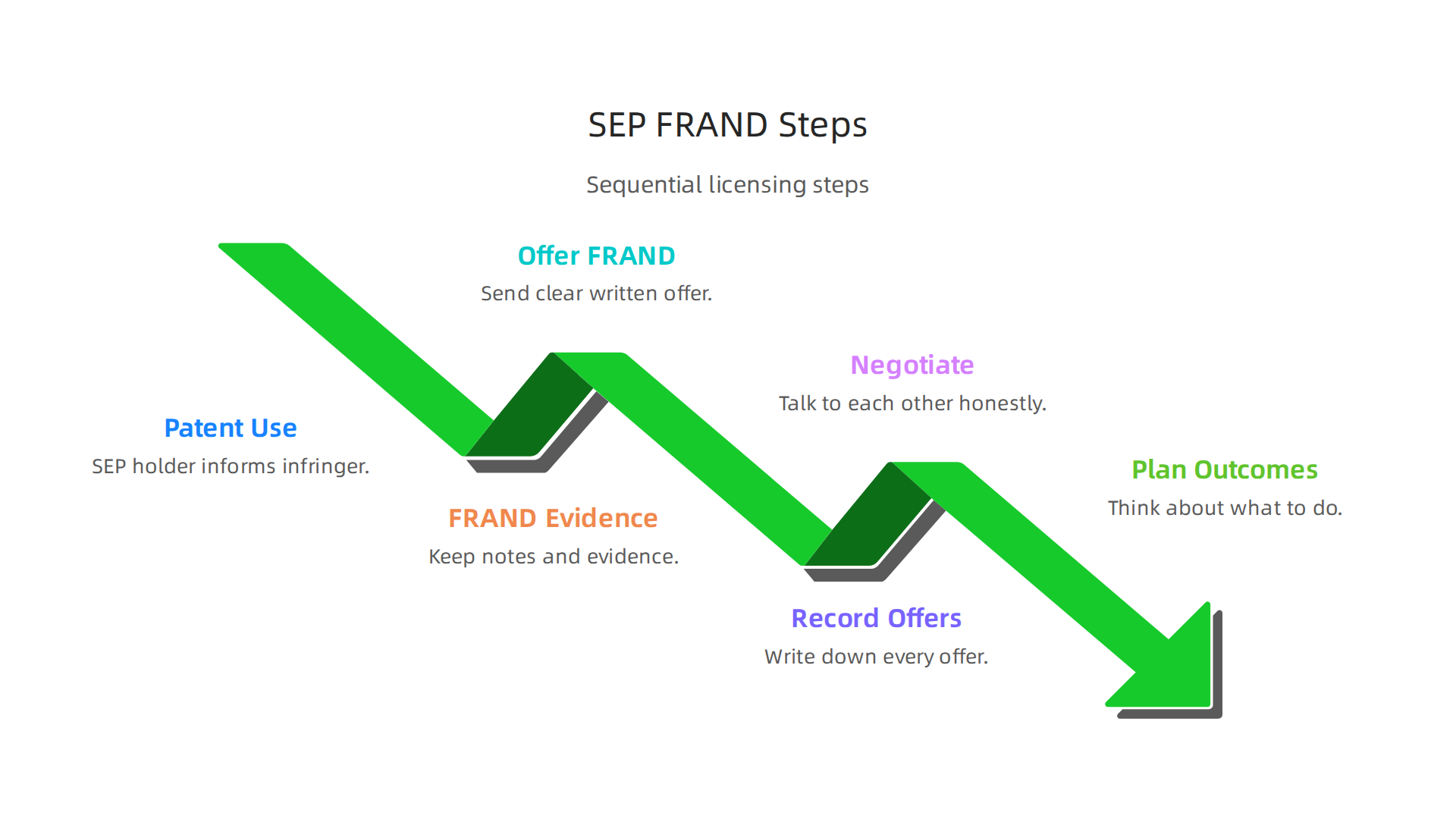
- Tell others about patent use: The SEP holder must first tell the company using their patent that it is infringing.
- Offer a FRAND deal in writing: If the other company wants to make a deal, the patent holder needs to send a clear written offer with rates and details.
- Show why the offer is FRAND: Keep good notes and evidence to prove the offer is fair, reasonable, and non-discriminatory. This might include looking at similar deals in the market or showing how the offer isn’t worse than what others get.
- Keep talking and negotiating: Both sides should talk to each other honestly and work towards a fair agreement.
- Keep detailed records: Write down every offer, every talk, and every piece of information. This helps show that the company acted in good faith during the negotiations. The goal is to reach an agreement without bigger problems.
- Be ready for different outcomes: Sometimes, deals don’t happen easily. It’s smart to think about what to do next, like going to mediation or other ways to solve problems.
These steps are key for companies to manage their intellectual property and avoid legal problems or big financial risks. Understanding these rules is a vital part of staying successful in the fast-paced world of technology in 2026. For more general insights into the changing landscape of tech laws, you can explore Tech Regulations 2026: Global Changes Tech Leaders Must Understand.
Keeping up with all the new rules and changes in tech regulation can be a lot of work. To help you stay informed, we offer clear daily updates.
The AI Newsletter Worth Reading
Staying successful in the fast-paced world of technology in 2026 means also focusing on how devices keep our personal information safe. This is especially true for advanced "tech products" that use special chips. These chips have tiny parts that can gather a lot of data about us, like where we are or what we do with our devices. This brings up big questions about privacy and security that companies must answer.
Privacy and device security: Chip-level obligations in connected products
Think about the tiny chips inside your phone or smart home devices. These chips have special abilities that can affect your privacy. For example, "telemetry" is how a chip sends data about how it’s being used. The "baseband" part of a chip handles all your wireless calls and internet signals. And every device has a "hardware ID," which is a unique number that helps identify it. Companies like Qualcomm design many of these important chips.
These features mean that privacy and security are not just about software. They start right at the chip level. If these parts are not built with care, they can accidentally share too much personal information or be open to attacks. This is a big concern for companies making "tech products" today, as regulations are getting stricter.
In 2026, many places have strong rules about data privacy. For example, Europe has the General Data Protection Regulation, or GDPR, which protects people’s data [Regulation (EU) 2016/679 of the European Parliament and of the Council]. Also, new state privacy laws have started in the US, for example, in Indiana, Kentucky, and Rhode Island this year [Data privacy laws: what to expect for 2026]. The UK has even given specific advice for consumer Internet of Things (IoT) products and services to make sure they follow data protection laws [UK Regulatory Outlook June 2026 Data Law]. These rules mean companies can’t just collect data freely. They have to protect it.
To keep things safe and follow the rules, companies that make or use these "tech products" need to take clear steps. During the design and buying stages, product and compliance teams should:
- Design for Privacy: Build products from the start to collect only the data needed and protect it well.
- Limit Data Collection: Only gather the necessary information and explain to users what data is being collected and why.
- Strengthen Security: Make sure chips and devices have strong security features to stop unauthorized access or data leaks. This is true for all tech products, including those from newer companies like DeepSite AI or Peak Technologies.
- Check Suppliers: Work closely with chip suppliers to ensure their parts meet all privacy and security rules.
- Handle Hardware IDs Carefully: Understand how unique device identifiers can be used and make sure they do not expose user privacy. You can learn more about how biometrics and AI are affecting these issues in ID Tech Privacy Regulations in 2026.
By focusing on these areas, companies can manage the risks tied to the chips in their connected products. This helps them meet privacy rules and keep customers safe. For more general guidance on the rules in the US, you can read about US Tech Regulations 2026 Navigating Data Privacy.
Compliance playbook: Operational controls every tech company should implement
After understanding how privacy begins at the chip level, companies need clear steps to put these protections into action. This means having good operational controls in place for all their "tech products." From making sure you have the right licenses to understanding global trade rules, every company, big or small, must follow a careful plan. This is especially true for companies like DeepSite AI and Peak Technologies that create new, advanced solutions.
One big area of focus in 2026 is export compliance. The US Department of Commerce’s Bureau of Industry and Security (BIS) has made new rules about sending advanced AI chips to other countries. For example, in January 2026, BIS changed its policy for export licenses. Instead of saying "no" right away for certain advanced AI chips, they now look at each case by case, but with strict conditions BIS Revises Export Review Policy for Advanced AI Chips Destined …. This applies to chips like the Nvidia H200 and AMD MI325X, meaning businesses involved in qualcomm news or any chip manufacturing need to be extra careful. The rules even state that these bans apply to Chinese firms outside China US says ban on AI chip shipments applies to Chinese firms …. These strong rules help protect important technologies and mean companies have to get special permission before they can send these products overseas. You can read more about these policy changes on the News and Updates | Bureau of Industry and Security website.
Beyond export rules, companies also need solid plans for things like patent licensing and handling different laws across countries. Companies often deal with "Standard Essential Patents" (SEPs) and must offer licenses on fair, reasonable, and non-discriminatory (FRAND) terms. This ensures fair play in the market, an area where companies like Qualcomm have been very active in discussions FRAND Quarterly: Navigating the Global SEP Landscape – March 2026. Making sure your "tech products" follow these rules takes careful planning and cross-border legal coordination. For a deeper dive into these requirements, explore how to build AI systems compliantly in 2026.
Smaller companies and startups can also meet these tough compliance needs without a huge legal team. They should focus on the biggest risks first, use outside legal help when needed, and set up simple ways to keep track of new rules. This helps them grow while staying safe from large fines, which is key for any tech startup regulation.
Understanding these rules can be complex. Get daily, clear updates on AI and technology regulations.
The AI Newsletter Worth Reading
Investor Watchlist: Regulatory Red Flags and Signals for Portfolio Companies
For investors, understanding tough technology rules is very important. These rules can change how much a company is worth and when investors might sell their shares. Especially for companies that make advanced tech products, like DeepSite AI and Peak Technologies, looking for regulatory warning signs is a must. Here are some key things investors should watch.

Litigation Exposure
One big warning sign for investors is when a company is involved in many lawsuits. These lawsuits often concern how a company does business or uses its patents. For example, qualcomm news often shows a history of legal challenges, particularly around its patent licensing practices. In the past, the Federal Trade Commission (FTC) charged Qualcomm with using unfair methods to stop competition [Qualcomm Inc. | Federal Trade Commission]. More recently, in 2026, Qualcomm said it would stop a lawsuit in the UK about how much it charged for smartphone chip licenses [Qualcomm says UK lawsuit over smartphone chip royalties will be withdrawn]. Such legal troubles can cost a lot of money and hurt a company’s reputation, making it less attractive to investors. You can learn more about how antitrust decisions can be paused on appeal by reading about Qualcomm’s request to Qualcomm asks appeals court to pause antitrust ruling’s impact.
Dependency on Restricted Supply Lines
Another red flag is when a company relies too much on parts or materials that are hard to get because of government rules. Think about semiconductor chips, which are key for many tech products. New export controls can make it difficult for companies to get or sell these chips across borders. These changes mean that how companies get their supplies might have to change overnight, as discussed in reports about Semiconductors in 2026: Why supply chains are a major bottleneck. Geopolitical events and trade rules cause constant changes in the semiconductor world, creating challenges for companies from DeepSite AI to Peak Technologies that need these parts Semiconductor Industry Outlook 2026 – by Jimmy Investor. This kind of dependency adds a lot of risk, as shown in the Semiconductor Supply Chain Forecast 2026–2040.
Licensing Revenue Risk
Finally, investors look at a company’s licensing revenue. This is money a company earns by letting others use its patents or technologies. If new rules change how these licenses are given out, or if a company loses a patent lawsuit, its future earnings could drop a lot. For example, the Ninth Circuit Court reversed an earlier ruling against Qualcomm, vacating a worldwide order about its patent licensing rules Qualcomm Wins Ninth Circuit Appeal, Vacating Worldwide Injunction on Its Patent Licensing Practices. Such shifts in court decisions directly impact a company’s ability to earn money from its patents.
These red flags can signal big changes for investors. They might have to re-think how much a company is worth or if it’s still a good time to invest. Keeping up with US tech regulations 2026 navigating data privacy AI governance and antitrust rules is key for making smart investment choices in today’s fast-moving tech world.
Summary
This article explains why regulatory and legal developments around Qualcomm matter far beyond a single company, and it lays out the practical implications for chipmakers, device makers, software platforms, investors, and compliance teams in 2026. It reviews recent enforcement trends, high-profile antitrust litigation, and the growing complexity of export controls that can reshape supply chains overnight. The piece breaks down SEP/FRAND disputes and patent licensing risks, explains chip-level privacy and security obligations, and offers operational controls—like partner screening, licensing steps, training, and audits—that companies should implement now. It also flags what investors should watch (litigation exposure, restricted supply lines, and licensing revenue risk) and suggests concrete steps legal and product teams can take to reduce penalties and business disruption. Readers will come away able to prioritize compliance actions, improve licensing practices, and spot regulatory signals that affect strategy and valuation.