

It feels like a new AI app launches every single day in 2026. You have tools for writing, for video, for music, and for code. The number of options just keeps growing. In fact, global spending on AI systems is on track to blow past $300 billion this year, and a huge 94% of organizations already say they are using AI in some way. If you feel overwhelmed trying to build a simple list of AI websites for your team or your own projects, you are not alone.

The challenge today is not just finding a cool tool. The real problem is finding the right tools that also keep you safe. Regulations around AI are changing fast, and they vary all over the world. Europe is setting strict rules, and the US is catching up quickly. Worker access to AI has jumped dramatically, but so has the risk of breaking the rules. You need to know how a tool works, where data goes, and if it follows the law. This is especially true for powerful tools that handle sensitive information.
That is what this guide is for. We have put together a strategic resource to help you cut through the noise. We cover the best free AI sites, powerful production tools, and the ones that help you upscale images like upscale ai or generate content like producer ai. But we also look at the compliance side. If you want to understand the risks that come with these tools, you should check out our guide on AI website builder compliance risks in 2026.
Managing AI is a full time job. The tools and the rules change every week. To stay ahead without spending all day reading, we recommend getting daily updates. The AI Newsletter Worth Reading (The Deep View Newsletter) delivers clear daily insights straight to your inbox.
Understanding the AI Application Landscape in 2026
AI is no longer just for tech companies. It has spread into nearly every corner of the economy. Hospitals use AI to read medical scans. Banks use it to spot fraud. Retailers use it to recommend products. Even government agencies are testing AI for everything from permitting to public safety. By the end of 2025, about 18% of all US firms had adopted AI, according to the Federal Reserve. And that number keeps climbing.
Actually, the numbers are even bigger for larger organizations. A huge 94% of organizations now say they use AI in some way, as reported by Box. In North America, 70% of companies are actively using AI, according to NVIDIA. Global spending on AI systems is set to pass $300 billion this year, as Medhacloud reports.
But adoption is not even across the world. In the European Union, only about 20% of enterprises have adopted AI so far, as Alice Labs shows. One big reason? Stricter rules.
The Regulatory Squeeze Is Real
The EU AI Act is now fully in effect in 2026. It creates clear rules for high risk AI systems, and it applies to any company doing business in Europe. At the same time, the US is moving forward with its own federal framework. The White House and several agencies are pushing for stronger oversight.
This means your list of AI websites cannot just focus on features anymore. You have to check how each tool handles data, where it stores it, and whether it follows the law. A seemingly harmless free AI site could send sensitive information to a server in a country with weaker privacy rules. That mistake could cost your company millions.
A Fragmented Market Makes It Harder
Here is the problem. The AI app market is growing faster than anyone can track. There is no single directory that lists every tool, checks its compliance status, and tells you if it is safe to use. You have to piece together that information yourself.
That fragmented vendor ecosystem increases your risk. One team might pick a tool like upscale ai for image enhancement without realizing it trains on uploaded data. Another team might use a writing tool like producer ai without checking its data handling policy. Before you know it, your company is out of compliance.
You need a clear, up to date source to keep up with these changes. That is why we recommend The AI Newsletter Worth Reading (The Deep View Newsletter). It delivers daily, clear updates straight to your inbox so you can stay ahead of new tools and new rules.
For a deeper look at how to build a compliant AI strategy, check out our guide on AI compliance strategies to avoid million dollar fines.
Key Regulatory Bodies and Their AI Frameworks
You now know AI adoption is everywhere but rules are fragmented. To pick the right list of AI websites for your team, you first need to understand who is making the rules and what they require. Let us break down the biggest regulatory bodies and their frameworks so your compliance checklist is clear from day one.
The EU AI Act: The World’s Toughest Rulebook
The European Union’s AI Act is the first complete law of its kind. It came into full force in 2026 and it applies to any company that operates in Europe. The Act sorts AI systems into three risk categories: unacceptable risk, high risk, and limited or minimal risk
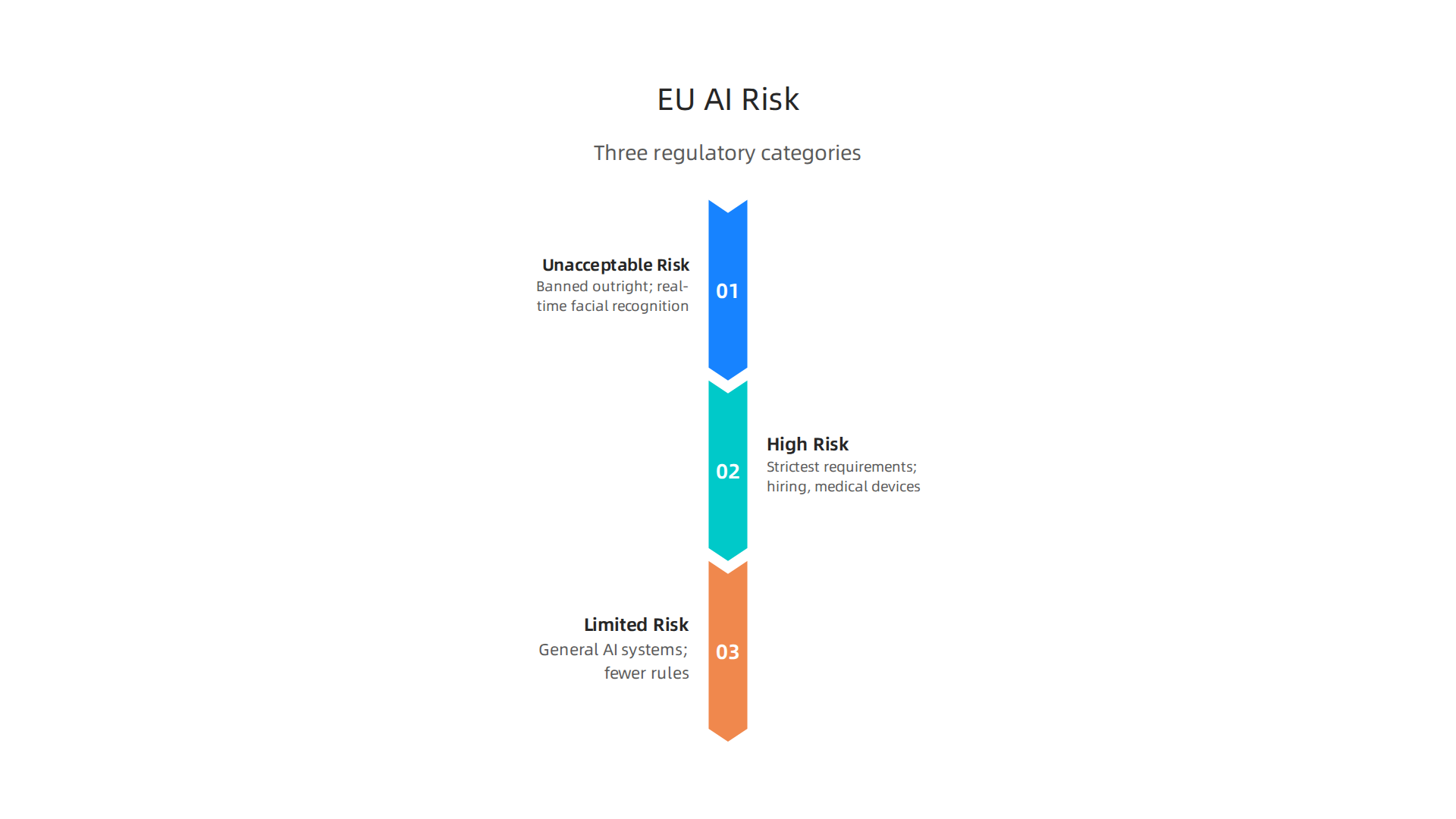
Unacceptable risk systems are banned outright. Think of real-time facial recognition in public spaces or social scoring by governments. High risk systems face the strictest requirements. These include AI used in hiring, credit scoring, medical devices, and critical infrastructure. According to Article 6 of the Act, an AI system is high risk if it is a safety component of a regulated product or falls under specific use cases listed in the law wilmerhale.com.
If you build or deploy a high risk AI system, you must set up a risk management system, keep detailed documentation, and ensure human oversight
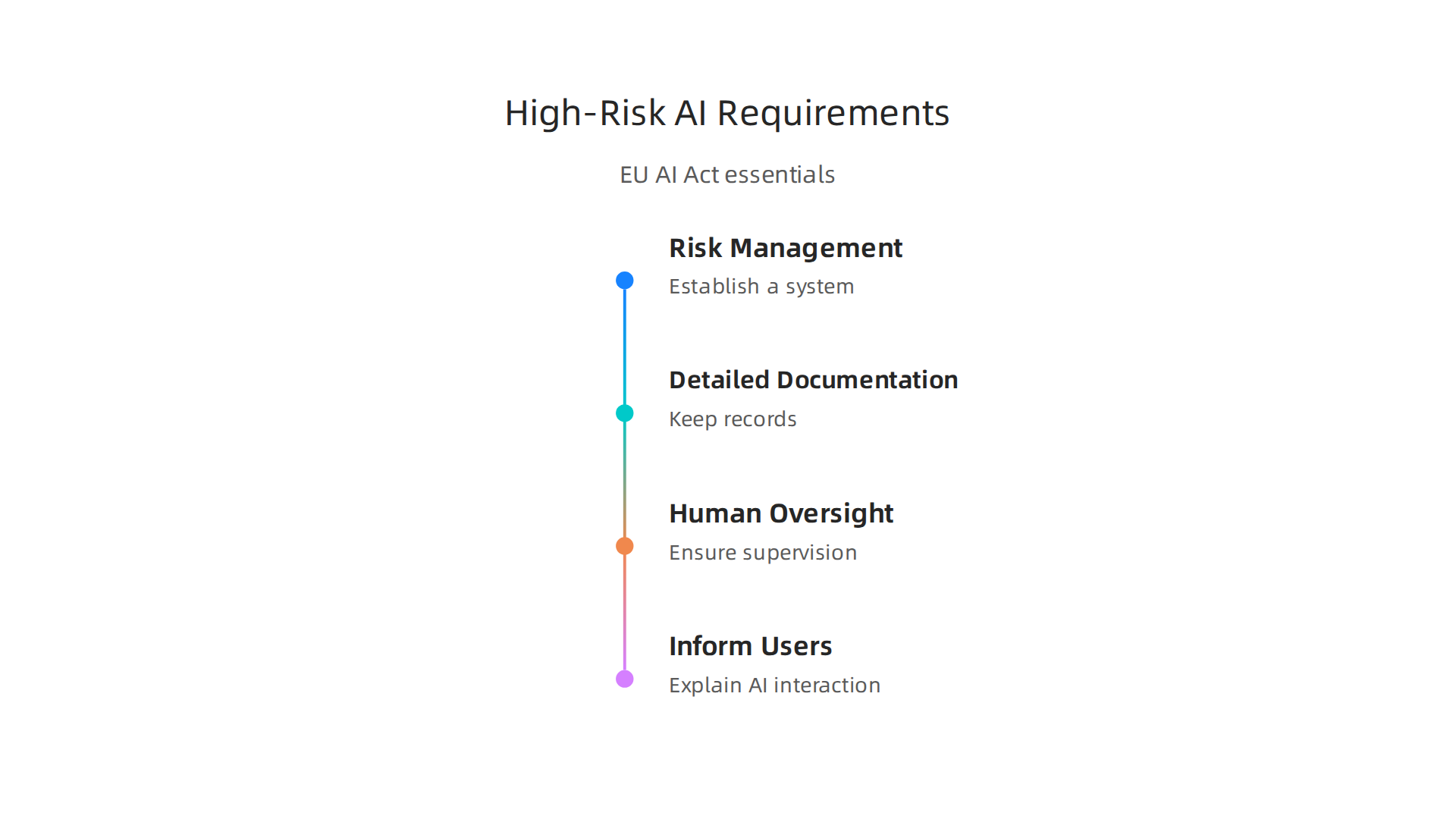
high-level summary. You also have to tell people when they are interacting with an AI, unless it is totally obvious Article 50. The European Commission recently released draft guidelines to help companies follow these transparency rules digital-strategy.ec.europa.eu.
For a deeper breakdown of what these requirements mean for your business, check out our guide on AI compliance strategies to avoid million dollar fines.
The United States: Still Under Construction
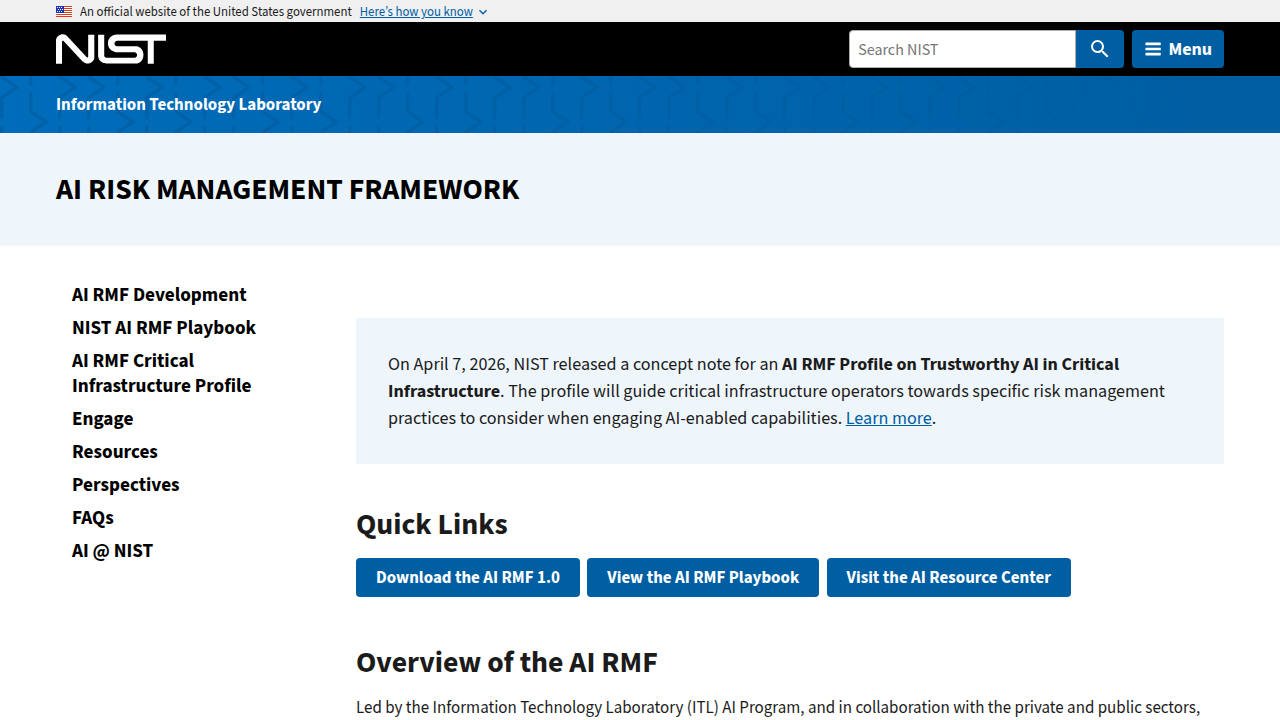
The US does not have one big AI law yet. Instead, regulation is coming through executive orders and agency guidance. The White House has issued several executive orders focusing on safety, security, and trust. The National Institute of Standards and Technology (NIST) created the AI Risk Management Framework, which gives companies a voluntary but powerful tool to manage AI risks.
More agencies like the FTC and the Equal Employment Opportunity Commission are also releasing their own rules. This patchwork means you have to check federal and state laws separately.
Other Jurisdictions Add More Layers
China has its own AI regulations that focus on algorithms, deepfakes, and recommendation systems. The UK is taking a lighter approach with principles rather than strict laws. Canada is updating its privacy rules to cover AI. Each jurisdiction has different definitions of what counts as high risk and what you need to prove.
That is a lot to track. One wrong move could land you in trouble across multiple borders. That is why staying informed is critical. The rules change fast, and your list of ai websites needs constant updating. The easiest way to keep up is to get clear daily updates straight to your inbox. Subscribe to The AI Newsletter Worth Reading (The Deep View Newsletter) and never miss a regulatory shift that affects your business.
Essential AI Discovery Tools and Platforms
So you understand the regulatory landscape. Now the real question: how do you find the right AI tools without breaking the rules? That is where a good list of AI websites becomes your best friend.
AI discovery tools come in two main flavors. First, you have model marketplaces like Hugging Face, where developers share and test thousands of open-source models. These are great for experimentation, but they come with zero compliance guarantees. Second, you have enterprise governance platforms like Credo AI, which help you track, document, and validate AI systems against regulations like the EU AI Act.
In 2026, the number of AI platforms has exploded. You can find top-rated platforms for content creation, automation, voice, analytics, and customer support, each with different features and pricing lindy.ai. But here is the catch: not every platform is built for compliance. A tool that helps you generate sales emails might use a model trained on data that violates GDPR. That is a problem you do not want to discover during an audit.
That is why your curated list of AI websites needs to do more than just rank features. It should also flag regulatory risks. For example, if you are using AI for hiring, you need a platform that includes bias testing and documentation features. If you are creating AI generated images for marketing, you need one that handles copyright properly.
The best approach is to integrate your discovery process with your existing MLOps and compliance workflows.

That means checking each tool against your internal compliance checklist before you let your team use it for anything important. Need a refresher on what that checklist should include? Take a look at our guide on AI regulations 2026 for businesses using AI-generated visuals to see how different tools stack up under the rules.
Building and maintaining this kind of list takes time. The rules change, new platforms launch, and old ones update their policies. You need a steady stream of reliable updates to keep your list accurate. That is exactly what The Deep View Newsletter delivers every day direct to your inbox. It is the easiest way to stay ahead of regulatory shifts and know which AI websites are safe to use.
Building an Effective AI Application Management Strategy
So you have a growing list of AI websites and apps. That is a good start. But in 2026, a simple list is not enough to keep your business safe. Without a real management strategy, you open the door to compliance risks, data leaks, and audit failures.
An effective strategy starts with treating every AI tool like a business asset. You need a living inventory of every AI app your team uses.
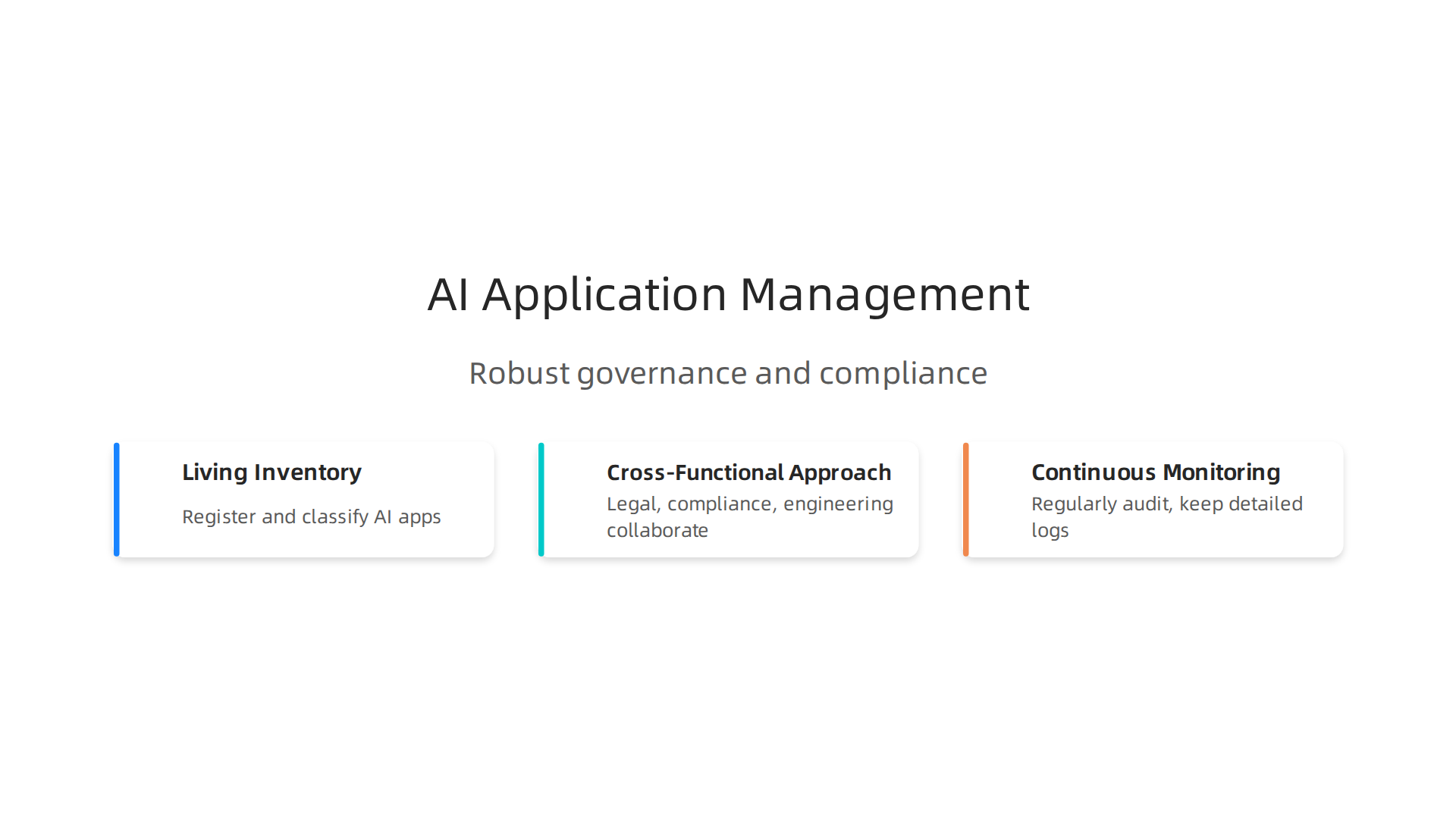
You also need to classify each one by risk level. High-risk use cases, like hiring or credit decisions, need stricter controls than low-risk ones, like summarizing internal memos. According to the AI Governance: Framework, Compliance & Operational Guide (2026), maintaining a living AI inventory so no system goes live without registration and risk classification is a core best practice. Whether you are using an upscale AI tool for images, a producer AI for content, or any free AI sites for quick tasks, every app needs a clear risk label. Experts at Lumenova recommend setting up clear approval workflows for each use case.
But building the inventory is only step one. You cannot manage AI risk alone. You need your legal, compliance, and engineering teams to work together. This cross-functional approach is a key part of the NIST AI Risk Management Framework. Legal understands the regulatory language. Compliance knows the audit trails. Engineering knows how the models actually work. When these teams collaborate regularly, your compliance posture gets much stronger. A smart list of AI websites is only useful when everyone in your organization agrees on how to govern them.
Now, what happens when the rules change or a new update rolls out? That is where continuous monitoring comes in. AI governance is not a one time project. It is an ongoing process. You need to monitor your systems regularly and keep detailed audit logs. As FireTail explains, effective frameworks focus on risk management, transparency, data handling rules, and consistent oversight over time. Automation tools can handle a lot of this heavy lifting. They flag risks before they become expensive problems. This reduces manual overhead and improves accuracy across your entire AI portfolio.
A well managed list of AI websites is your best defense against regulatory surprises. It turns chaos into control. But the regulatory landscape in 2026 moves fast. You need daily insights to keep your strategy sharp. That is exactly what the The Deep View Newsletter delivers. It helps you stay ahead of the curve and make sure your AI governance plan stays solid.
The Role of Transparency and Explainability in AI Governance
Now that you have a strategy for managing your AI inventory, it is time to focus on how you communicate what those systems actually do. That is where transparency and explainability become essential. Regulators in 2026 do not just want to know that you are using AI. They want to see that you can explain how it works, especially for high-risk use cases.

Under rules like the EU AI Act, high-risk AI systems face the strictest requirements. These include systems used in hiring, credit scoring, and access to essential services. Article 50 of the AI Act clearly states that companies must inform users when they are interacting with an AI system. That is a basic transparency rule. But regulators also want deeper documentation. They want model cards, datasheets, and clear records of training data and performance metrics. If you maintain a list of AI websites and apps, every entry should include this documentation.
Explainability goes one step further. It is not enough to say "the AI made a decision." You need to explain why it made that decision. Common techniques like LIME and SHAP can help break down model behavior. But these tools are not enough for all scenarios. In complex systems, like a producer AI that generates financial reports, simple explanations often fall short. That is why you need a mix of automated checks and human reviews. Governance frameworks from groups like NIST emphasize that explainability must match the risk level of the use case.
Transparency also builds trust with your customers and investors. When people see that you are open about how your free AI sites or upscale AI tools work, they feel safer using them. Reputational risk drops when you can point to clear documentation. A solid governance plan includes regular audits of these transparency measures.
As you add new tools to your list of AI websites, always check for transparency features. Does the provider offer model cards? Do they explain how their system handles data? These questions matter. For a deeper look at how transparency applies to AI website builders, check out our guide on AI website builder compliance risks. And to stay on top of the latest transparency rules and updates, the The Deep View Newsletter delivers clear daily insights directly to your inbox.
Future Trends: What’s Next for AI Regulation and Discovery
So what comes next? The rules are changing fast, and 2026 is a big year for AI regulation. Transparency rules from the EU AI Act start in August. But the bigger picture is about how global regulations will work together and how you will discover and manage your AI tools moving forward.
Here are three major trends to watch.
Trend 1: Global Standards Are Converging
Right now, different countries have different rules. That is a headache for any business. But experts expect a move toward common international standards. The big one is ISO/IEC 42001, the first global AI management system standard. As more countries align with it, your compliance work gets simpler. You will be able to apply one set of practices across regions. This trend of convergence is a key part of strategies for avoiding fines under AI regulations in 2026.
Trend 2: Real-Time AI Auditing Becomes Standard
Waiting for an annual audit is already too slow. In 2026, regulators and businesses are moving toward continuous monitoring. That means tools that watch your AI systems in real time. They check for bias, drift, or unexpected behavior. This shift is pushed by the need for accountability, as discussed in the Council on Foreign Relations analysis of 2026 AI policy. Soon, every entry in your list of AI websites will need a live audit trail.
Trend 3: AI Discovery Gets Automated
Right now, you probably build your list of ai websites by hand. That is changing fast. Future tools will automatically discover AI apps in your organization. They will scan your systems for free AI sites, upscale AI tools, and producer AI models. Regulatory metadata will be embedded directly in model registries. So when you add a new tool, the system knows its risk level, its data sources, and its compliance status. This makes your inventory always up to date.
These trends point to one clear message: the future of governance is proactive, not reactive.

To stay ahead of these changes, you need reliable updates. The The Deep View Newsletter breaks down complex regulatory shifts into daily, easy-to-read insights. It is the smartest way to keep your finger on the pulse of AI regulation in 2026.
Summary
This guide explains how to build and manage a practical, compliant list of AI websites for teams and businesses in 2026. It covers the current regulatory landscape—especially the EU AI Act and emerging U.S. frameworks—and why legal and data‑handling checks matter when you choose tools. The article walks through discovery options (model marketplaces versus enterprise governance platforms), how to inventory and classify AI apps by risk, and which transparency and explainability records you should require. It also outlines operational governance: cross‑functional approval workflows, continuous monitoring, and audit trails to reduce compliance and reputational risk. You’ll learn concrete vetting steps, what counts as high‑risk AI, and how to integrate compliance into existing MLOps. Finally, it highlights future trends—automated discovery, real‑time auditing, and global standards convergence—and recommends daily updates to stay current.