

The Rise of AI Website Builders: What Leaders Need to Know
Imagine telling your team you can launch a full website in under an hour with just a few prompts.

That is the promise of an ai website builder in 2026, and the numbers show this is not a small trend. The global AI-powered website builder market, worth $3.17 billion in 2023, is projected to hit $31.5 billion by 2033, with a growth rate of 25.80% CAGR.

Other reports confirm that the broader AI website builder market is expected to reach a valuation of $3.75 billion by 2035, growing at 20.9% CAGR from 2026 to 2035. These tools let use ai to generate layouts, copy, and images in seconds. No coding needed.
But here is the thing. That speed comes with real risks that many leaders overlook. When you rely on an AI tool to build your site, you hand over control of data handling, content creation, and even the logic behind what gets shown to visitors. That opens the door to problems with data privacy, copyright on generated images or text, and algorithmic fairness. If your site recommends products or shows content based on user data, you could accidentally violate new regulations without even knowing it.
For technology executives and compliance teams, this is the moment to slow down and think before jumping in. The best ai website builder can save time and money, but only if you understand the regulatory landscape first. You need to know what data the tool collects, how it trains its models, and whether it respects copyright laws. You also need to check if the platform treats all users fairly.
We cover these issues in depth on Tech Regulation News Today because they matter more every day. If you are leading a team or advising on compliance, staying ahead of AI rules is critical. Learn more about the real risks of AI here.
The bottom line? An ai website builder can be a powerful tool, but it is not a magic wand. You still need to do your homework. The next sections will walk you through the specific compliance risks and what you can do about them.
Want daily, clear AI and regulatory updates that cut through the noise? Subscribe to The Deep View Newsletter and get the insights you need to make smart, compliant decisions.
Understanding AI Website Builders: Capabilities and Limitations
So what exactly does an ai website builder do for you? Think of it as a smart assistant that handles the heavy lifting. You type in a few prompts about your business, and the tool generates a full layout, writes copy, and even creates images. It is like having a designer, a copywriter, and a developer all in one box.
Most ai website builder platforms share a core set of features. They use generative AI to turn your ideas into a live site. You get drag-and-drop editing for fine-tuning. Many include AI copywriting that writes headlines and product descriptions for you. Image generation tools create visuals based on text descriptions. And the result is always responsive design that looks good on phones, tablets, and desktops without any extra work. The market is already huge, with the AI-powered website builder sector projected to grow from $3.17 billion in 2023 to $31.5 billion by 2033 at a 25.80% CAGR. By 2026 alone, the broader website builders market is valued at $2.4 billion and expected to keep climbing, as Fact.MR data shows.
But here is where the shiny promise meets reality. The AI website builder market in 2026 is loud and fast-moving, but not every tool is equal. As one reviewer put it, every AI site builder produces a beautiful demo in 30 seconds. Yet behind that speed lie real limits.
The limitations you cannot ignore
First, output bias. AI models are trained on existing data. If that data has biases, your site could accidentally reflect them in images, language, or recommendations. This matters for compliance because biased content can get you into trouble with fairness rules.
Second, you lose control over data usage. When you use ai tools, your prompts and uploaded images often go to third-party servers. Some platforms use your data to train their models. That creates privacy risks. If you handle customer information through the builder, you need to know exactly what happens to it.
Third, many ai website builder tools rely on third-party AI models from companies like OpenAI or Google. If that third party changes its model or shuts down access, your site could break or behave differently. You are essentially building on rented land.
For those leading compliance efforts, understanding these limits is step one. The next step is knowing how to pick a tool that respects your data and your legal obligations. Check out our guide on AI regulations 2026 compliance strategies for businesses to see how to vet an ai website builder before you commit.
The best ai website builder is one that balances speed with transparency. Do not let a free trial cloud your judgment. Ask tough questions about data handling, model training, and content ownership right from the start.
If you want daily updates on AI rules and compliance tools that help you make smarter decisions, subscribe to The Deep View Newsletter. It cuts through the noise so you can focus on building a site that is both fast and compliant.
The Regulatory Landscape for AI-Powered Web Development
Once you understand the limits of an ai website builder, the next question is: what laws actually apply to your site? The answer is not simple.
Depending on where your business operates and who visits your site, multiple sets of rules could affect you. In 2026, ignoring these rules is risky. Let us break down the main ones.
The EU AI Act is the big one.
The European Union’s AI Act is a risk-based law that came into full effect during 2025 and 2026. It classifies AI systems by risk level. If you use ai in a sensitive area like healthcare or finance, your ai website builder might be labeled as high risk. That means stricter rules. As the official EU framework explains, the law covers developers and deployers.
August 2, 2026, is a key milestone. By that date, even more rules kick in. Like AI literacy and transparency requirements. This guide on AI-generated code breaks down what changes.
Data privacy laws still apply.
You probably already know about GDPR and CCPA. They do not go away just because you used a free ai website builder. If your site collects personal data, you still need consent, clear privacy policies, and data security. The same goes for Brazil’s LGPD and other regional laws. Each one adds a layer of complexity. For practical advice, this Webbfabriken article notes that for most websites, the changes are not dramatic but you still need to check.
National and local laws add more layers.
China has its own AI regulations. Brazil has LGPD. The United States has a patchwork of state laws. If your best ai website builder serves a global audience, you need to track all of them. This Informatica overview shows how the EU AI Act ripples worldwide. It is not just one law. It is many.
So how do you stay safe? Start by learning what rules apply to your industry. Then vet any ai website builder for how it handles data and follows these laws. For a deeper look at building a compliance strategy, check out our guide on AI regulations 2026 compliance strategies for businesses.
The landscape changes fast. To keep up with new rules and ai tools, get clear daily updates from The Deep View Newsletter. It helps you make smarter decisions without the noise.
Key Compliance Risks: Data Privacy, Copyright, and Algorithmic Fairness
So you picked a free ai website builder or maybe the best ai website builder on the market. It saved you time, and your site looks great. But have you stopped to ask who actually owns the content it created? Or whether your site might accidentally treat some visitors unfairly? These are not small worries. They are real compliance risks that can cost you money, reputation, and even legal trouble in 2026.
Let’s walk through the three biggest risks you need to watch for.
Data Privacy and Consent Gaps
Most ai website builders rely on third-party APIs to generate text, images, or analytics. That means your user data often flows through servers you do not control. If you serve customers in Europe, Brazil, or California, you still need proper consent and a clear privacy policy. The EU AI Act official framework makes this clear: AI systems that process personal data must be transparent. And as this Weebbafriken guide notes, the changes are not dramatic for most sites, but you still need to check where your data goes.
One practical step: ask your ai website builder provider for a data processing agreement. If they cannot give you one, that is a red flag.
Copyright Ambiguity: Who Owns What?
Here is a tricky one. The U.S. Copyright Office has said fully AI-generated works cannot be copyrighted because a machine, not a human, created them. But other countries like the UK or China may see it differently, as this DLA Piper analysis explains. On top of that, many platforms claim ownership of any content their AI produces. That means the text and images you "own" might actually belong to the tool you used.
This risk is real. One law firm warns that AI content creation can lead to copyright infringement lawsuits. To stay safe, always check the terms of service before you use ai to create content for your business.
Algorithmic Fairness: Bias in Design Suggestions
AI tools learn from existing data, and that data often contains human biases. Your ai website builder might suggest layouts that only show certain types of people, or it might recommend colors and fonts that are harder for visually impaired users to read. This can violate fairness guidelines under the EU AI Act, which bans discriminatory AI practices. As this Augment Code guide explains, the law expects you to monitor for bias.
The fix? Always review AI suggestions with a human eye. Ask yourself: does this design exclude anyone? If yes, change it.
How to Stay Ahead
These risks do not mean you should avoid AI. They just mean you need to be smart about how you use ai. Check your provider’s data practices, read the fine print on copyright, and audit your site for bias. For a deeper look at building a compliance strategy, check out our guide on AI regulations 2026 compliance strategies for businesses.
And because these rules change constantly, staying informed is your best defense. For daily, clear updates on AI regulation and compliance, get The Deep View Newsletter delivered to your inbox. It helps you make smarter decisions without the noise.
How to Vet an AI Website Builder for Regulatory Compliance
Now that you know the risks, let’s talk about how to pick a safe ai website builder. You do not need to become a lawyer overnight. But you do need a simple checklist to ask the right questions before you sign up.

This is your due diligence.
The Due Diligence Checklist
When you evaluate a free ai website builder or the best ai website builder for your needs, start with these three areas.
1. Data Protection and Privacy
Ask the vendor exactly where your data goes and how it is stored. Do they use your site visitor data to train their AI models? If yes, that could expose personal information. Look for a clear data processing agreement. The Vanta AI compliance guide for 2026 explains that you need to map your data flows and check whether the provider follows frameworks like ISO 42001 or the EU AI Act. Also check if they offer data encryption at rest and in transit.
2. Model Transparency
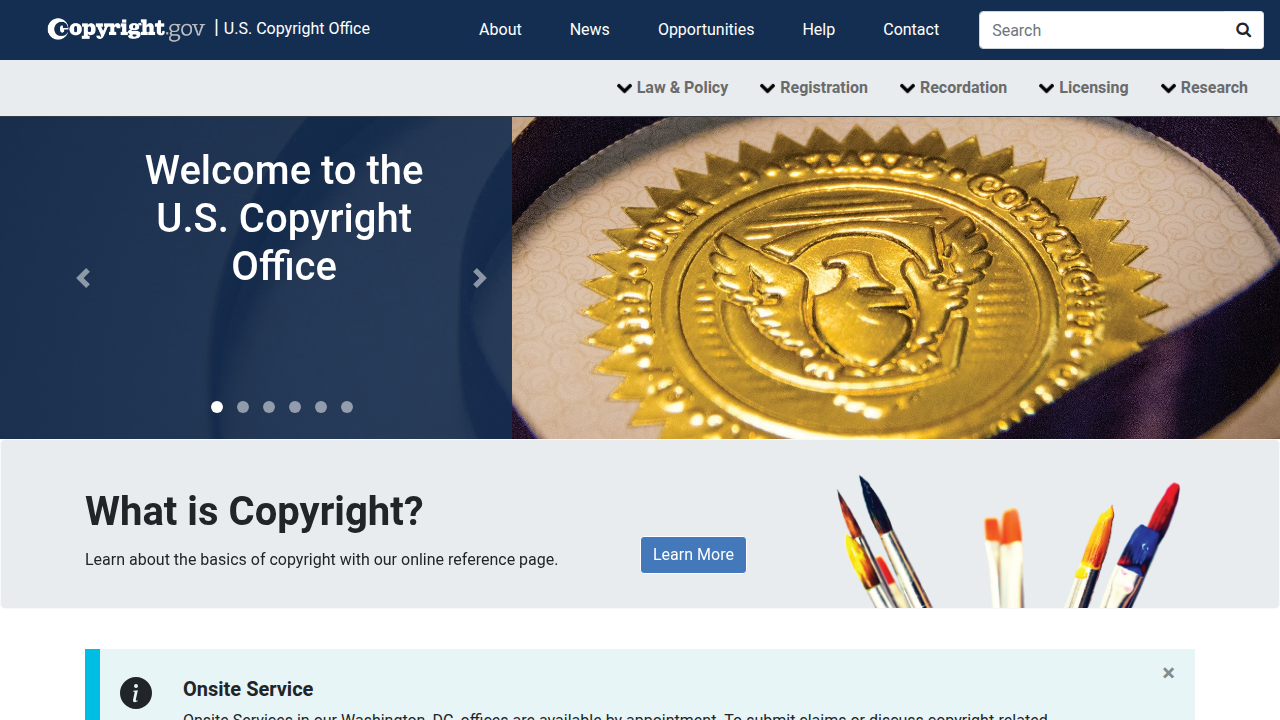
A good ai website builder should tell you what data their AI models were trained on. If they are vague, that is a warning sign. You want to know if the model was trained on copyrighted material, because that could lead to copyright infringement lawsuits down the road. The U.S. Copyright Office has made it clear that human input matters for copyrightability.
So you need a tool that lets you add enough human creativity to your content.
3. Contractual Safeguards
Read the terms of service carefully. Who owns the content the AI generates? Some providers claim ownership of everything their AI creates. That could leave you without legal rights if you ever need to defend your content. The Built In article on AI copyright notes that fully AI-generated content cannot be copyrighted in the U.S. because it is seen as machine work. So you want a provider that gives you clear ownership and does not restrict how you use the output.
Key Certifications to Look For
Certifications are a shortcut to trust. When you compare ai tools, look for these three:
| Certification | What It Means |
|---|---|
| SOC 2 | The provider has strong security controls for customer data. |
| ISO 27001 | They follow an international standard for information security management. |
| NIST AI RMF | Their AI systems align with the NIST AI Risk Management Framework, which helps manage risks to individuals and society. |
If a vendor does not have any of these, ask why. They might be too small or too new. That does not mean they are bad, but you should do extra homework.
Specific Questions to Ask Vendors
Before you commit to any ai website builder, ask these questions directly:
- Data retention: How long do you keep my prompts and the AI outputs? Can I delete them at any time?
- Training data sources: What data was used to train your AI models? Was it licensed, public, or scraped from the web?
- Content ownership: Who legally owns the text, images, and code my site generates? Can I use it for commercial purposes without restriction?
The ETB Law analysis warns that AI models trained on massive datasets can create legal gray areas. Getting clear answers upfront saves you headaches later.
For a deeper look at building a full compliance strategy, check out our guide on AI regulations 2026 compliance strategies for businesses.
Stay Informed as Rules Change
Regulations around AI are still shifting. What works today might not work next year. That is why staying up to date is your best defense. For clear, daily updates on AI regulation and compliance that cut through the noise, get The Deep View Newsletter delivered to your inbox. It helps you make smarter decisions without wasting time.
Actionable Steps for Deploying AI Website Builders Responsibly
You have vetted your tools and checked the certifications. Now it is time to deploy your ai website builder the right way. These three steps will help you avoid legal pitfalls and build trust with your users.
Step 1: Set Up an Internal AI Governance Committee
Do not let one person decide how to use ai on your website. Form a small team that includes someone from legal, someone from IT, and someone from marketing. This committee should look at every new use case for your free ai website builder and approve all vendor contracts. The Kiteworks survival guide for 2026 explains that businesses need clear oversight structures to keep up with new regulations. Your committee can also run regular audits of how the AI tool is being used across your team.
For a deeper look at scaling your AI efforts the right way, check out our guide on scaling AI for business in 2026.
Step 2: Map Your Data and Get Consent
Every time your ai website builder processes a visitor’s action, that data goes somewhere. You must know exactly where. Start by drawing a simple map of all data flows. What prompts go to the AI? What visitor information does the tool collect? Then put consent mechanisms in place. The Vanta compliance guide notes that frameworks like the EU AI Act require you to show how you handle data. You also need strong security practices. The SecureSlate article on AI security recommends implementing robust data governance as a first step.
Step 3: Train Your Content Teams on Copyright Risks
Your writers and designers need to know that AI output is not automatically safe to use. They must learn to check every piece of content the best ai website builder creates. The JD Supra report on AI security warns that retained prompts and outputs can create bigger breach risks. Train your team to look for copied phrases, false facts, and bias. Teach them to rewrite AI content with their own voice. That human touch is what makes the content copyrightable.
Stay on Top of Changing Rules
Regulations shift fast in 2026. You need a reliable way to stay informed without spending hours reading legal documents. For clear daily updates that cut through the noise, subscribe to The Deep View Newsletter. It delivers actionable compliance insights straight to your inbox.
Future Outlook: Anticipating Regulatory Shifts in AI Web Development
You have set up your governance team and trained your staff. But the rules around AI are not staying still. In 2026, the regulatory landscape is actively shifting, and anyone using an ai website builder needs to keep an eye on what is coming next.
The EU AI Act is moving toward its final implementation. This law could change how liability works for AI generated content. If your free ai website builder creates something that causes a problem, who is responsible? Regulators are pushing toward holding the business accountable. The IBM AI trends report for 2026 notes that accountability across the AI lifecycle is a key focus for lawmakers.
At the same time, transparency is becoming a must have requirement. The best ai website builder may soon need to tell users what training data it used and how it makes decisions. This is not a nice extra. It is becoming a legal expectation. The LogRocket trends report shows that security and transparency are now central to how teams build with ai tools.
Here is the good news. Different countries are starting to agree on shared AI safety standards. The Microsoft AI trends analysis points out that global coordination is improving. This could mean a more predictable set of rules for businesses that use ai across borders. Instead of juggling conflicting laws, you may eventually follow one clear standard.
These shifts all point in one direction. You must stay informed. For a deeper look at how to prepare for these changes, read our guide on AI regulations and compliance strategies for 2026. The rules are moving fast. But you do not have to track them alone. The Deep View Newsletter delivers clear daily updates straight to your inbox so you can stay ahead of every change.
Summary
This article examines AI website builders—what they can do, their rapid market growth, and the practical compliance risks leaders must manage when adopting them. It explains core capabilities (layout, copy, and image generation), then highlights technical and legal limits such as output bias, loss of data control, third‑party dependencies, and unclear content ownership. The piece breaks down the relevant regulatory landscape including the EU AI Act, GDPR/CCPA, and national rules, and identifies three primary risks: data privacy gaps, copyright ambiguity, and algorithmic unfairness. It provides a concrete due diligence checklist (data practices, model transparency, contractual safeguards), certifications to request, vendor questions to ask, and three actionable deployment steps—governance committee, data mapping and consent, and staff training. Finally, it outlines likely regulatory shifts and gives leaders the tools to vet AI builders, reduce legal exposure, and deploy AI-generated sites responsibly.