

Introduction
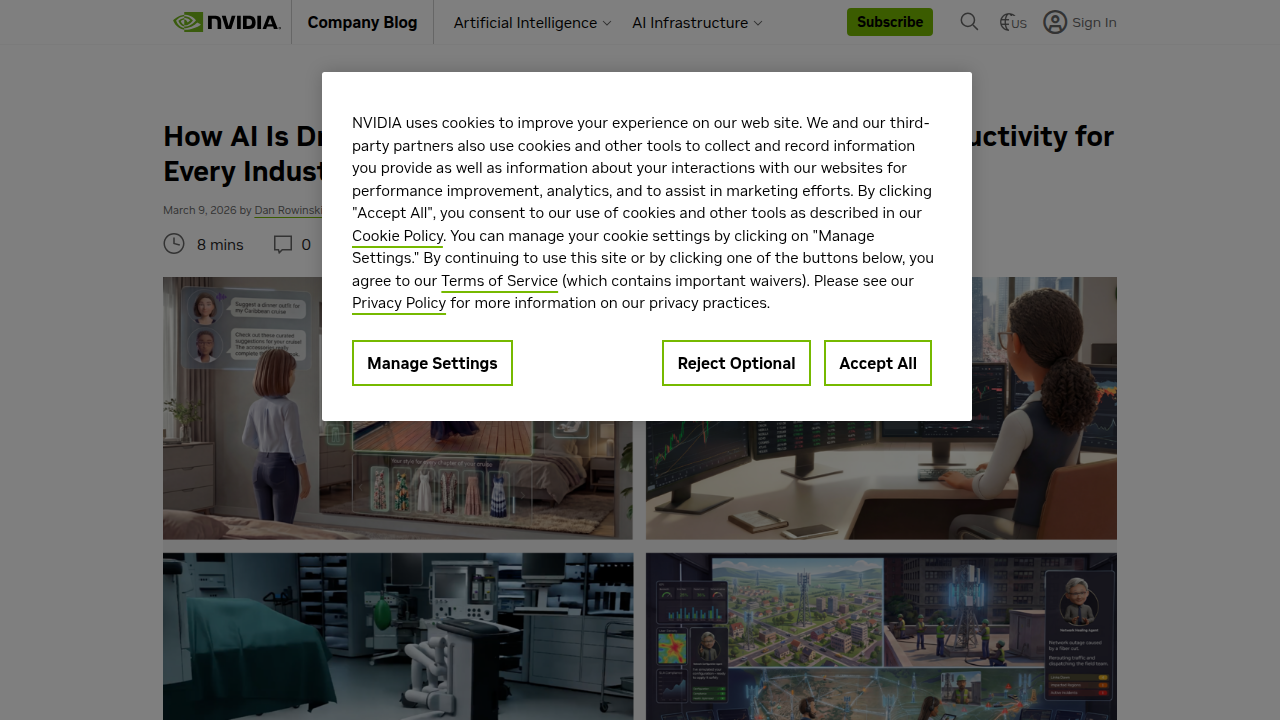
AI is no longer a futuristic concept in 2026. It is a core part of how businesses operate. According to a recent NVIDIA report, 70% of organizations in North America are actively using the technology.
The Stanford HAI 2026 AI Index Report confirms that generative AI has reached 53% population adoption within three years. That is faster than the personal computer or the internet. These numbers sound impressive.
But here is the reality. Most companies are still stuck in the pilot phase. They run small tests. They buy flashy tools. Yet they struggle to see real returns. The gap between experimenting with AI and actually scaling artificial intelligence across an entire organization is wider than many leaders expect.

Just having a tool does not mean your business is transforming.
So what goes wrong? The answer is usually strategy, not technology. Dropping an AI tool into an existing workflow does not magically fix broken processes. In fact, it can create new problems. It can introduce compliance risks, data privacy headaches, and governance challenges that many teams are not ready to handle. For compliance leaders and tech executives, the biggest worry in 2026 is not whether to use AI. It is how to use it safely and effectively. If you are unsure about the potential downsides, it helps to understand why unrestricted AI can be risky.
True success with AI for business comes from strategic integration. It means rethinking how your teams work. It means updating your AI contract management processes. It means choosing the right partners, including a trusted AI development company, to build solutions that fit your specific needs. A PwC survey from 2025 found that 60% of businesses say AI boosts ROI and efficiency. But the key is how it is deployed. A piecemeal approach does not work. You need a plan. Updating your AI regulations 2026 compliance strategies for businesses is a crucial first step in building that governance framework.
This article provides a research-backed roadmap for exactly that. We help tech executives, investors, and compliance leaders navigate AI integration in 2026. You will learn how to move from pilot projects to real business results. And you will discover how to keep your organization safe while innovating.
Why Strategic AI Integration Matters Now — More Than Ever
The early adopter window is closing fast. Companies that started scaling AI two or three years ago have already locked in efficiency gains. They optimized their workflows. They trained their teams. They built governance structures. Meanwhile, late movers are still trying to figure out where to start. And the gap between them is only growing.
The numbers make this clear. According to the NVIDIA State of AI Report 2026, 70% of North American organizations are already actively using AI. Only 3% said they are not using it at all. If your business is in that 3%, you are already behind. But even among the 70%, most are still in the pilot phase. They are running small tests with no plan to scale. That is where the real danger lies.
The competitive pressure in 2026 is enormous. The AI market size is growing at least 120% year over year, and the technology is projected to contribute $15.7 trillion to the global economy by 2030, according to an industry report from The Digital Elevator. Your competitors are not waiting. They are moving from experimentation to full integration. If you do not have a strategic plan for AI for business, you are giving them an advantage.
But there is another reason to act now. The regulatory environment in 2026 is more demanding than ever. The EU AI Act is in effect. US executive orders require risk assessments for high impact AI systems. In Europe, enterprise AI adoption sits at just 19.95%, according to the Global AI Adoption Index 2026 from Alice Labs.

That lower number is partly due to stricter regulations. But it also shows that companies that navigate these rules carefully can gain a compliant edge. A haphazard approach to AI deployment is no longer just inefficient. It is dangerous. You need a structured governance framework from day one. For government agencies facing unique compliance demands, resources like the Tyler Technologies compliance guide show how a structured approach works in practice.
Finally, the focus has shifted. Short term productivity boosts from generative AI tools are giving way to long term integration strategies. Simply plugging an AI writing assistant into one department is not enough. Real returns come when you embed AI into your core operations. That means rethinking ai contract management, supply chain, customer service, and compliance workflows. It often means partnering with a specialized ai development company to build custom solutions. The goal is not just to use AI. It is to scale artificial intelligence across your entire organization in a way that is safe, compliant, and measurable.
Strategic AI integration is no longer optional. It is the only way to capture real value, meet regulatory demands, and stay competitive.
That is why every business leader in 2026 needs to prioritize it now.
Key Areas Where AI Drives Measurable Efficiency Gains
So where does the rubber actually meet the road? If you want to move from theory to real results with AI for business, you need to know which areas deliver the biggest bang for your buck. The good news is that 2026 is full of proven use cases. According to a deep dive by Deloitte on the state of AI in the enterprise, improving productivity and efficiency tops the list of benefits, with two-thirds of organizations already reporting wins. Let’s look at three key areas where the numbers back up the hype.
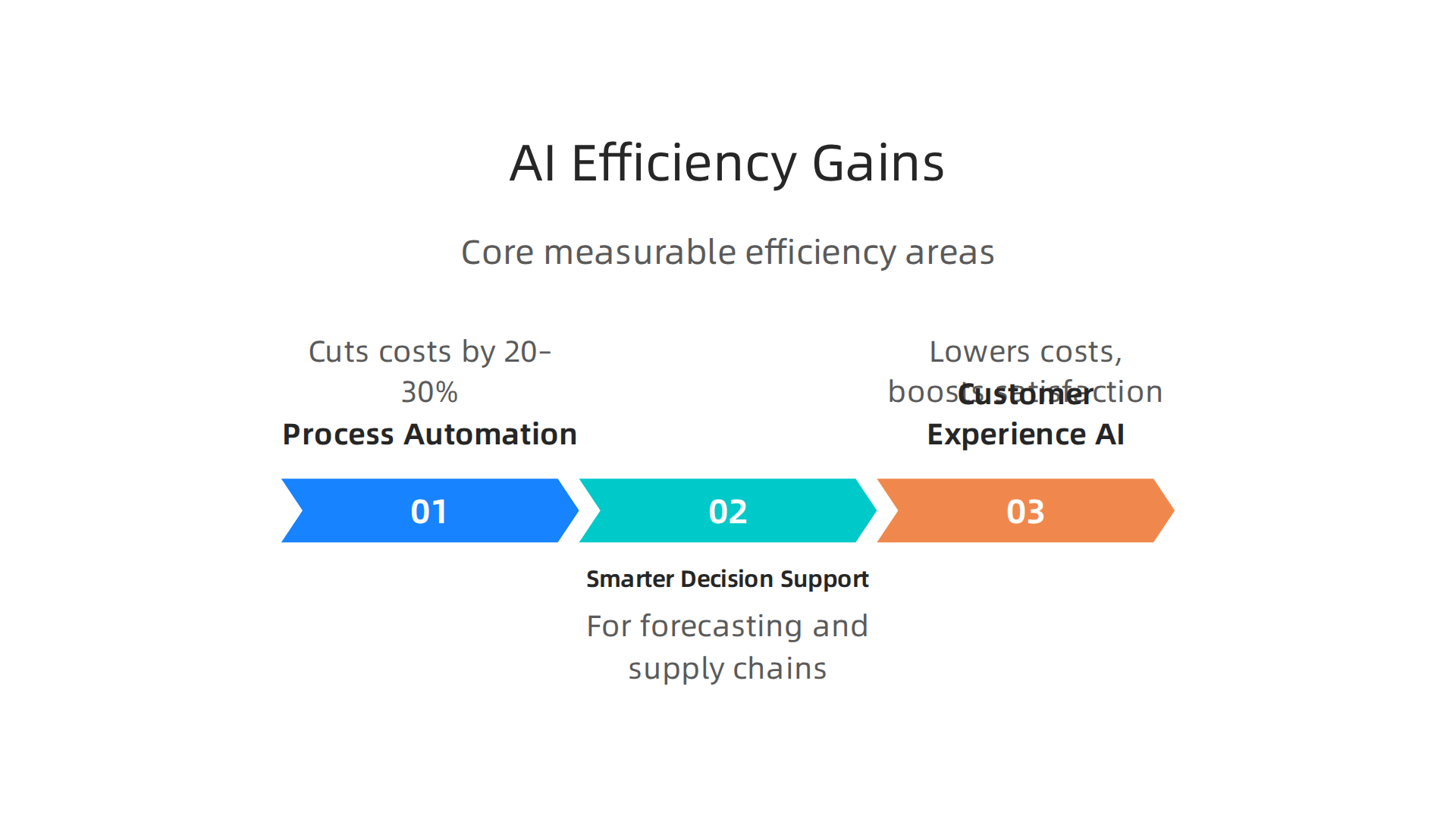
1. Process Automation That Cuts Costs by 20–30%
Think about all the repetitive, rule-based tasks your team does every day. Data entry, invoice processing, report generation. These are perfect jobs for combining robotic process automation (RPA) with AI. When you connect RPA’s ability to follow rules with AI’s ability to make sense of messy data, you get a powerhouse. Many companies see operational costs drop by 20 to 30 percent in back-office functions. For example, automating contract review and validation with AI contract management tools can slash hours of legal work down to minutes. But you have to be careful. Poorly designed automation can introduce new compliance risks. That’s why understanding the real risks of unrestricted artificial intelligence is a smart first step before you scale.
2. Smarter Decision Support for Forecasting and Supply Chains
Making good decisions under uncertainty is one of the hardest parts of running a business. AI-powered decision support systems are changing that. They can analyze massive amounts of data in seconds and spot patterns humans would miss. According to the NVIDIA State of AI Report 2026, 53% of organizations say improved employee productivity is a top outcome, and much of that comes from faster, better decisions. In supply chain management, for instance, AI models can predict demand shifts, flag potential disruptions, and suggest alternative routes or suppliers. PwC’s 2026 Digital Trends in Operations Survey reports that while 89% of leaders know tech investments are critical, many still struggle to bridge the gap between spending and results. The secret is to embed decision support directly into your daily workflow, not treat it as a separate dashboard. If you want to truly scale artificial intelligence across your company, partnering with an experienced ai development company can help you build custom models that fit your unique data.
3. Customer Experience AI That Lowers Costs and Boosts Satisfaction
Everyone hates waiting on hold. AI chatbots and personalization engines are solving that problem in a big way. They handle routine questions instantly, 24/7, and free up human agents for the tougher issues. The result? Lower support costs and higher customer satisfaction scores. Real-world examples are everywhere. Companies like Starbucks and Zoom have used AI to personalize offers and troubleshoot issues faster, as highlighted in this collection of AI business case studies. When you combine chatbots with smart routing and sentiment analysis, you can catch frustration early and escalate before a customer walks away. The key is to make the AI feel helpful, not robotic. A well-designed customer experience AI can actually increase loyalty while cutting your support budget by 30% or more. And if you’re in a regulated industry, be sure to check the latest AI regulations and compliance strategies for businesses to avoid privacy pitfalls.
These three areas alone can transform your bottom line. The numbers are real, and the tools are ready. The question is whether you’ll start with automation, decision support, customer experience, or all three at once.

Process Automation and Operational Efficiency
The first area where ai for business delivers real savings is process automation. But in 2026, we’re moving beyond simple robotic process automation. Intelligent document processing combined with RPA is cutting data entry costs by 50%. Think about invoices, purchase orders, and forms. Instead of someone typing every number into a system, AI reads, extracts, and validates the data automatically. And the savings go beyond back office. In manufacturing, AI-driven predictive maintenance reduces unplanned downtime by 30 to 40%. Sensors feed data into models that flag equipment problems before they cause a breakdown. That means fewer emergency repairs and longer equipment life. To get started, you need a clear plan. The AI Deployment Strategy guide from Straive offers a step-by-step framework for planning and scaling.
And as you automate, keep an eye on compliance. Poorly designed automation can create new risks, so check out our guide on the real risks of unrestricted artificial intelligence to stay safe before you scale artificial intelligence across your operations.
AI in Decision Support and Analytics
Making decisions with messy data is tough. That is where AI for business really shines. Machine learning models can improve demand forecasting accuracy by 15 to 25 percent. That means fewer stockouts and less wasted inventory. The Stanford Digital Economy Lab’s Enterprise AI Playbook shows how leading companies use these models to predict customer needs with surprising precision.
AI enhanced dashboards also cut decision latency by 60 percent in supply chain management. Instead of waiting days for a report, you get real time insights that flag problems before they blow up. This speed lets you adjust pricing, reroute shipments, or reorder materials on the fly.
To scale artificial intelligence like this, you need proper governance. AI tools can make wrong calls if the data is biased or incomplete. That is why it pays to understand the real risks of unrestricted artificial intelligence before you rely on automated decisions. And for tasks like contract review, AI contract management tools can scan thousands of documents for risky clauses, giving your legal team a huge head start. Working with an experienced ai development company can help you build these analytics capabilities without guessing.
Customer Experience and Service Automation
Your customers want fast answers and personal touches. They do not want to wait on hold or get irrelevant emails. That is where ai for business transforms the experience.
Conversational AI chatbots can reduce average handle time by 30 percent. At the same time, they improve first contact resolution. That means fewer repeat calls and happier customers. Real world examples from 15 AI Business Use Cases in 2026 show how companies use chatbots to handle routine questions instantly.
Personalization engines take this further. By analyzing past purchases and browsing behavior, these tools boost upselling conversion rates by 10–20 percent. So a customer looking at a laptop might see a tailored offer for accessories. The result is more revenue without a pushy sales pitch.
But automation at this scale comes with risks. If your training data is biased, the bot could give wrong advice or offend someone. That is why it pays to understand the real risks of unrestricted artificial intelligence before you launch. When you set up governance early, you can scale artificial intelligence safely and keep your customers’ trust intact.
A Step-by-Step Framework for Strategic AI Integration
You know that ai for business can transform customer experience. But how do you move from a single chatbot pilot to real, company wide change? The answer is a methodical framework. Jumping straight to full deployment without a plan is a fast way to waste budget and lose trust.
Here is a practical three phase approach based on proven enterprise strategies.
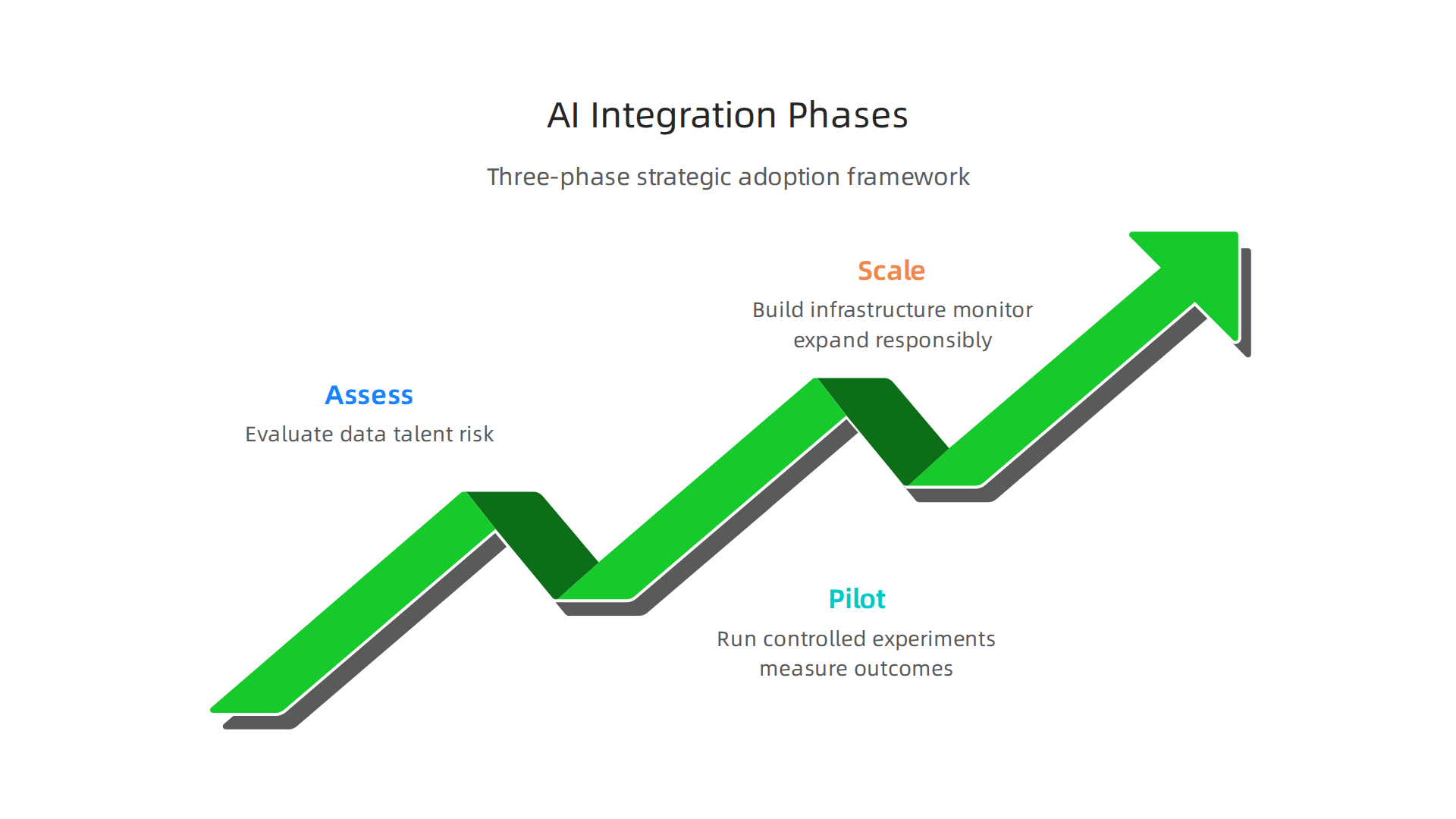
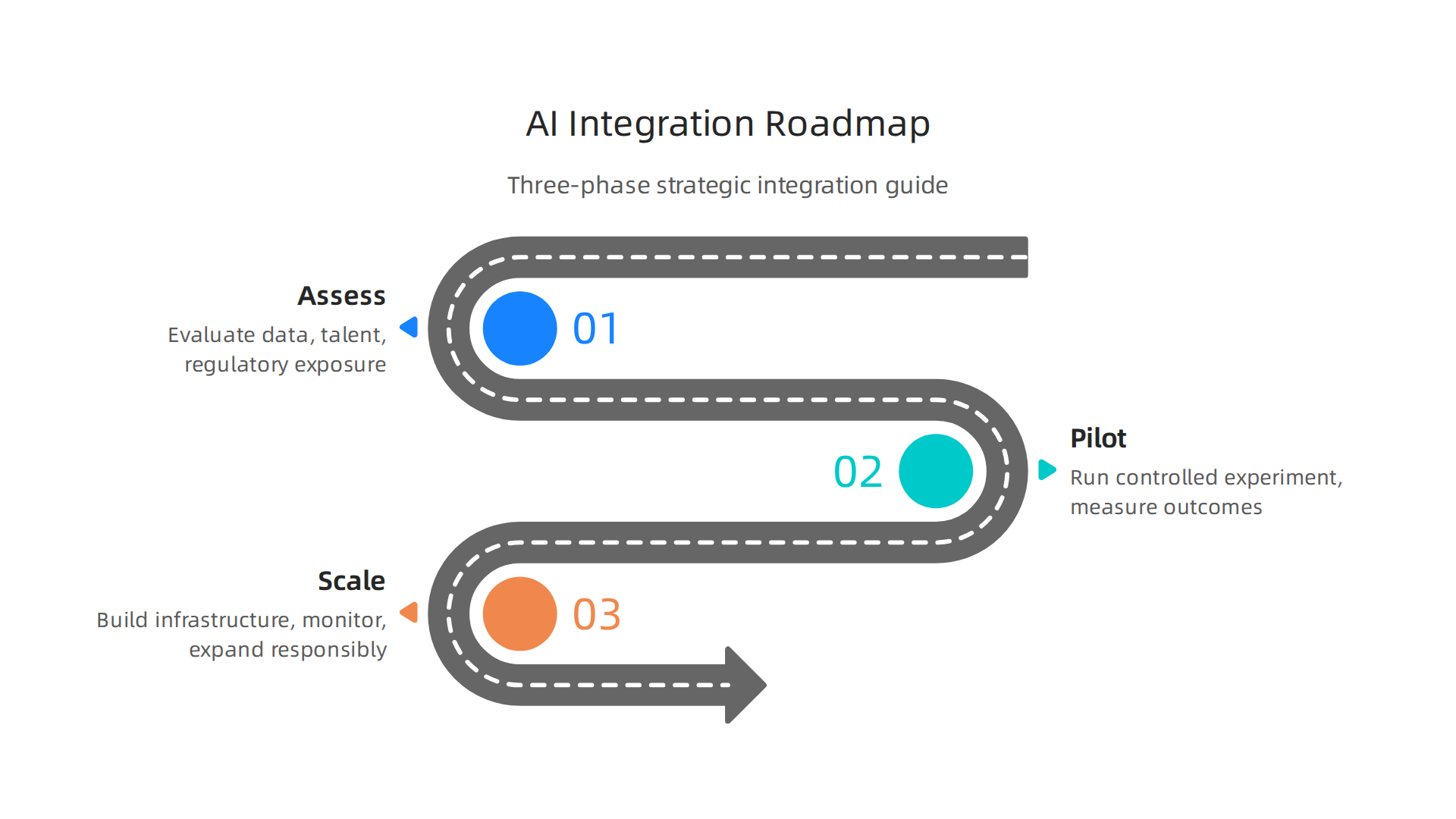
Phase 1: Assess
Before you buy any tools, take a hard look at your current state. You need to evaluate three things.
First, data readiness. Do you have clean, organized data that an AI model can learn from? If your data sits in silos or is full of errors, fix that before you start. Second, talent gaps. Do you have people who understand AI, or will you need to hire or train? An ai development company can help bridge that gap while you build internal skills. Third, regulatory exposure. Different industries have different rules. If you handle sensitive data, you must understand the legal landscape early. Reviewing AI regulations 2026 compliance strategies for businesses now can save you from costly mistakes later.
This assessment phase lets you identify the biggest risks and opportunities before you spend a dollar.
Phase 2: Pilot
Do not try to scale artificial intelligence across your whole organization on day one. Pick one high value, low risk process and run a controlled experiment. A good candidate is something repetitive that does not involve critical customer data. For example, you might test an AI tool that automates internal report generation or assists with ai contract management review.
Run the pilot for a set period, like 30 to 90 days. Measure clear outcomes: time saved, error rates reduced, or user satisfaction scores. This approach is outlined in the Enterprise AI Implementation Guide which shows how focused pilots lead to better long term results.
If the pilot fails, you learn cheaply. If it works, you have proof to show stakeholders.
Phase 3: Scale
Now you are ready to expand. But scaling is not just about adding more AI models. It is about building the right infrastructure.
Start by institutionalizing governance. Create a team that monitors model performance, checks for bias, and ensures compliance. This is critical. According to AI security best practices for 2026, you need robust governance frameworks to secure your AI supply chain from data sourcing to deployment.
Next, monitor models continuously. AI models drift over time. What worked last quarter may not work today. Set up regular reviews.
Finally, expand responsibly. Add new use cases one at a time, using the same assess pilot scale loop. This phased approach, detailed in the AI deployment strategy framework, helps you avoid the chaos that comes from trying to do everything at once.
The bottom line
Strategic AI integration is a marathon, not a sprint. Assess your readiness, run smart pilots, then scale with governance.

That is how you turn ai for business from a buzzword into a real competitive advantage.
Measuring ROI and Success Metrics for AI Initiatives
You followed the framework. You assessed your readiness, ran a successful pilot, and started scaling your AI tools. But here is the real question: How do you know if it is actually working?
Measuring the return on your AI investment goes beyond just counting dollars saved. In fact, according to PwC’s 2026 AI Business Predictions, 60% of leaders say AI boosts ROI and efficiency, while 55% report improved customer experience and innovation. So how do you capture that value in a way that matters to your stakeholders?
Look beyond cost cutting
It is tempting to track only the money you saved by automating a manual process. But true ROI includes three bigger buckets:
- Revenue uplift. Did your AI tool help you sell more or increase average order value? Many companies see this through smarter product recommendations or personalized marketing.
- Risk reduction. Did your AI catch errors, flag compliance issues, or prevent fraud? The cost of a single regulatory fine can dwarf any operational savings. This is where understanding AI regulations 2026 compliance strategies for businesses becomes directly tied to your ROI calculation.
- Competitive advantage. If your AI lets you respond to customers three times faster than your rivals, that has real monetary value even if it is hard to measure directly.
Use both leading and lagging indicators
You need two types of metrics to get the full picture.
Leading indicators tell you if your AI is on the right track early on. These are things like model accuracy, user adoption rates, and system uptime. If your team is not using the tool, it does not matter how good the technology is. The Deloitte State of AI in the Enterprise report found that 66% of organizations report improved productivity and efficiency from AI, but those gains only happen when adoption is high. So track how many employees actually use the tool each week.
Lagging indicators show the final business impact. These are the results that matter to the CFO: cost per transaction, profit margin, customer lifetime value, and total time saved. For example, a company using AI for contract management might see a 40% reduction in review time, which directly lowers legal costs.
Benchmark against your industry
Your numbers are important, but they mean more when you compare them to peers. According to the 2026 AI Index Report from Stanford HAI, generative AI reached 53% population adoption within three years, faster than the PC or the internet. But business adoption varies wildly by sector. North America leads with 70% of companies actively using AI, according to the NVIDIA State of AI Report 2026.
Look for industry benchmarks from sources like the Global AI Adoption Index or your trade association. If your customer satisfaction score improved by 10% after deploying AI, but your competitors saw 20% improvements, you might need to adjust your approach.
The bottom line on AI ROI
Measuring AI success is not a one time project. It is an ongoing practice. Set up dashboards that combine leading and lagging indicators. Review them quarterly.

And always connect the numbers back to real business outcomes like revenue, risk, and customer happiness. That is how you prove the value of ai for business to everyone in the room.
Navigating Compliance, Ethics, and Regulatory Challenges in AI Integration
You have figured out how to measure your AI return. But here is the tricky part. All those gains mean nothing if your AI tool gets you fined or sued. The regulatory landscape in 2026 is a patchwork of overlapping rules, and ignoring them is a fast way to kill momentum.
The regulatory mess is real and overlapping
Right now, there is no single federal AI law in the United States. Instead, you have to deal with a mix of new state laws, federal executive orders, and a major European regulation.
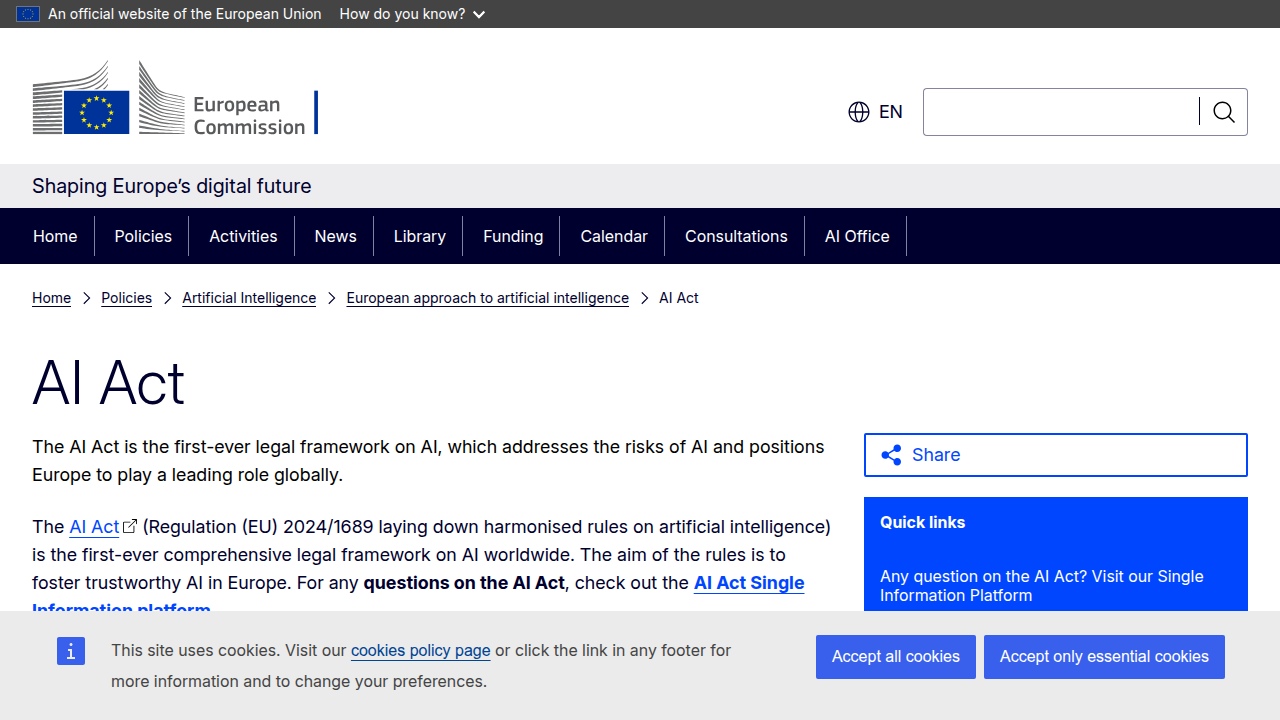
The EU AI Act is the most comprehensive. Its transparency rules take effect in August 2026, and it uses a risk based framework that could impact any business serving European customers.
In the US, states are moving fast. Colorado passed an AI law banning algorithmic discrimination, though a federal judge stayed its enforcement in April 2026. Meanwhile, California, Texas, and Illinois have their own active AI laws, and the FTC is actively fining companies that misuse AI. It is a complicated patchwork that makes compliance a real headache.
Ethical risks can ruin your reputation
Beyond the legal rules, there are ethical landmines. Bias, lack of transparency, and unclear accountability are the big three.
If your AI tool denies loans or screens job candidates, you need to know exactly how it makes decisions. If you cannot explain it, you cannot defend it. According to UNESCO’s ethical framework, principles like "do no harm" and "right to privacy" are becoming baseline expectations, not nice to haves.
Building trust requires proactive governance. You need bias checks, regular audits, and clear documentation of what your AI can and cannot do. This is where understanding why unrestricted AI poses real risks helps you avoid common pitfalls.
The smartest move: create an AI ethics board
Organizations with dedicated AI ethics boards are much better positioned to scale safely. A small team of legal, compliance, and product people can review new AI tools before launch, catch red flags early, and keep the whole process honest.
This board should own your AI governance policy and update it as rules change. They are your early warning system. And they help you navigate the confusing overlap of AI compliance strategies for 2026 without getting stuck in legal trouble.
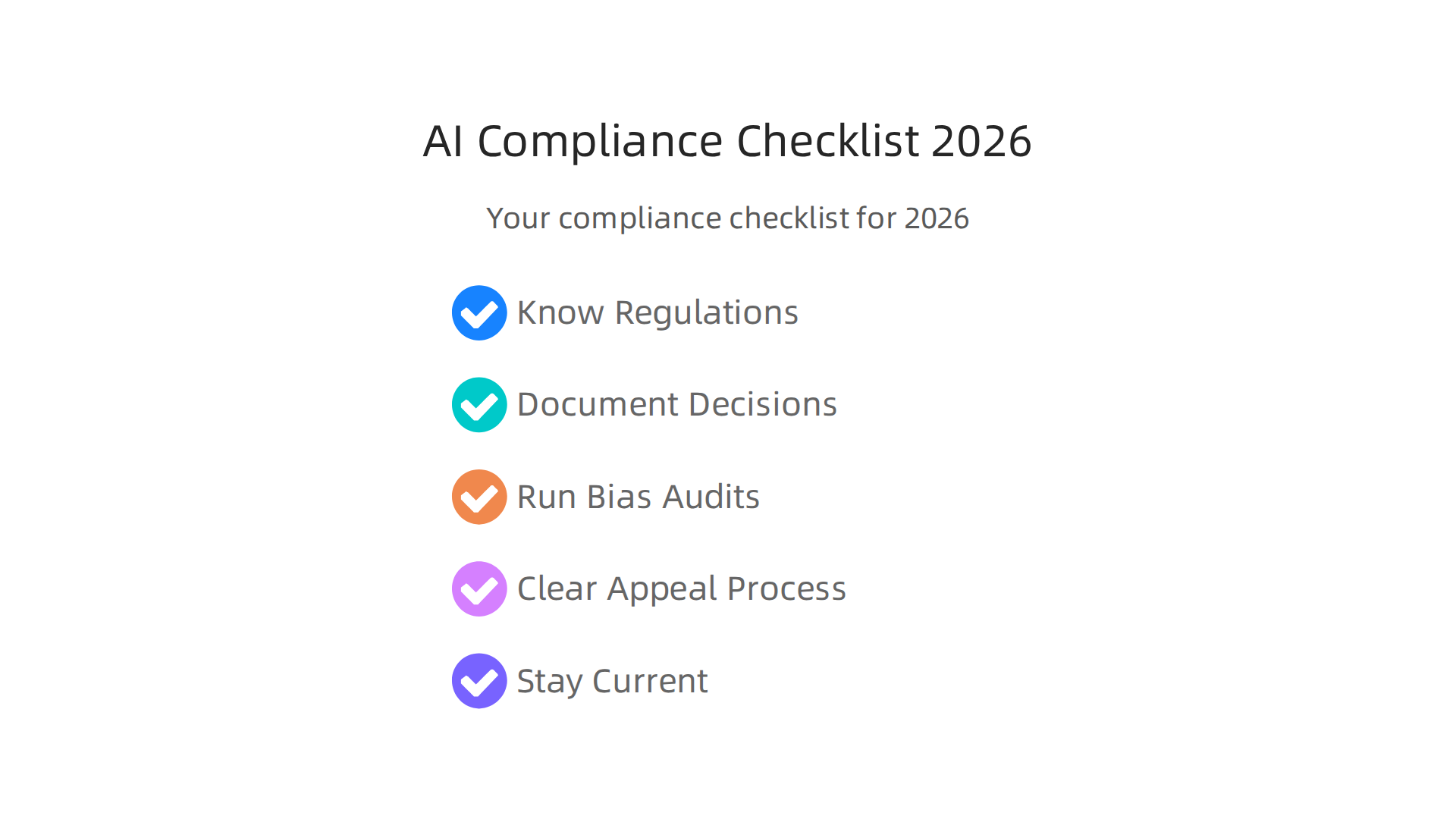
**Your compliance checklist for 2026
**
- Know which regulations apply to your industry and customer base.
- Document your AI decision making process end to end.
- Run regular bias audits on any high risk AI system.
- Have a clear process for users to appeal AI decisions.
- Stay current with state law changes and FTC enforcement.
Getting compliance right is not just about avoiding fines. It is about building trust with your customers and partners. That trust lets you scale artificial intelligence with confidence.
Operationalizing Responsible AI
Knowing the rules is one thing. Putting them into practice is where the real work begins. Operationalizing responsible AI means turning your governance policy into repeatable, daily processes.
One framework gaining traction is model risk management. Based on guidelines like SR 11-7 from the Federal Reserve, this approach treats AI systems with the same rigor as financial models. Regulators in 2026 expect you to validate your AI, test for bias, and monitor performance continuously. Frameworks like the NIST AI RMF provide a solid structure to build these processes from the start.
Transparency is the other big requirement. Regulators and customers alike want explainability. They want to know what data your model uses and how it makes decisions. The EU AI Act’s transparency rules, arriving in August 2026, make documentation a legal must for many systems. You can see how sectors are adapting by reviewing specific compliance guides.
For any business using AI for business, this is a critical shift. Whether you use AI for contract management, customer service, or hiring, you need a clear record of your model’s lifecycle. Working with an ai development company or building your own, documenting your inputs, tests, and outputs is a baseline expectation. If you want to scale artificial intelligence safely and earn long term trust, operationalizing these practices is the only path forward.
Future-Proofing Your AI Strategy: Trends to Watch Through 2026 and Beyond
Setting up responsible AI processes today is smart. But the landscape won’t stay still. To truly succeed with AI for business, you need to keep an eye on what’s coming next. Here are three big trends that will shape how you build, buy, and govern AI through 2026 and beyond.
Agentic AI and Multi-Modal Models Will Create New Efficiency Frontiers
We are moving beyond simple chatbots and static models. The next wave is agentic AI —systems that can plan, reason, and take action on their own. Instead of just answering a question, an AI agent could handle a whole workflow, like managing a supply chain delay or negotiating a contract renewal.
At the same time, multi-modal models are getting better at combining text, images, video, and audio. That means an AI could read a legal document, look at a photo of damaged goods, and generate a claims report in seconds.
According to PwC’s 2026 AI business predictions, agentic workflows are a top priority for companies that want transformative value. And IBM’s trends roundup highlights how these advances will push productivity to new levels. If you are working with an ai development company, make sure they are building toward these capabilities.
Compliance-by-Design Will Become a Baseline Requirement
Treating compliance as an afterthought is no longer an option. Regulators in the EU, US, and elsewhere are moving fast. Starting August 2026, the EU AI Act’s transparency rules will require documentation and risk management for many AI systems.
But here is the shift: smart companies are not just checking boxes. They are building compliance-by-design into every new AI project from day one. This means embedding explainability, bias testing, and audit trails into your model development workflow. It is no longer a differentiator. It is the cost of entry.
To stay ahead, review our guide on AI regulations 2026 compliance strategies for businesses. It walks you through what to expect and how to prepare.
AI-Driven Sustainability Tracking Will Emerge as a Cross-Functional Priority
Sustainability is no longer just a marketing buzzword. Companies are under pressure from investors, customers, and regulators to measure and reduce their environmental impact. AI can help.
In 2026, expect to see more businesses using AI to track energy use, optimize supply chains for lower emissions, and even predict carbon footprints across product lifecycles. The Stanford AI experts predict that careful measurement of AI’s economic and environmental impact will become a standard practice this year.
If you want to scale artificial intelligence responsibly and stay competitive, this is the time to invest in systems that do two jobs at once: improve efficiency and cut waste. Whether you use ai contract management to digitize supplier agreements or deploy models to monitor factory emissions, the data you collect today will power your sustainability reporting tomorrow.
The market is moving fast. According to a Grand View Research report, the AI market is projected to grow from $390 billion in 2025 to over $3.4 trillion by 2033. Companies that watch these trends and act early will be the ones that thrive.
Stay curious, stay compliant, and keep building AI that people can trust.
Summary
This article is a practical roadmap for moving from AI pilots to organization-wide impact in 2026, aimed at tech executives, compliance leaders, and investors. It explains why strategic integration—rather than ad hoc tool adoption—is essential to capture productivity, revenue, and competitive advantage while avoiding regulatory and ethical pitfalls. The piece outlines high‑value use cases (process automation, decision support, and customer experience), provides a three‑phase framework (assess, pilot, scale), and shows how to measure ROI with leading and lagging indicators. It also covers compliance-by-design, operational governance, bias audits, and the documentation required under new rules like the EU AI Act. Finally, it highlights future trends such as agentic and multi‑modal models and AI-driven sustainability, so readers can build scalable, safe, and future‑proof AI programs.