

Why regulation matters for incredible technologies – the problem and promise
Imagine a world where new tools and ideas pop up all the time. These are the "incredible technologies" that can change how we live, work, and play. Think about new types of smart computers, amazing new ways to build things, or even better medicines. These advances are exciting and hold great promise.
But with all this newness comes a big question: how do we make sure these powerful tools are used in a good way? This is where rules, or regulations, come in. The main idea is to protect people and make sure things are fair and safe. However, making rules for new tech can be tricky. Sometimes, rules can slow down companies that are trying to create the next big thing. This is the big balancing act: how to protect everyone without stopping amazing new ideas from growing.

For people who lead tech companies, invest in them, or help them follow the law, this is a huge challenge in 2026. The world of tech rules is changing very fast. In 2026, many countries are adding new rules for things like artificial intelligence and how companies handle your personal information, making it a busy time for changes around the world Global Regulatory Landscape Guide: 2026.
Here are some common problems people face:
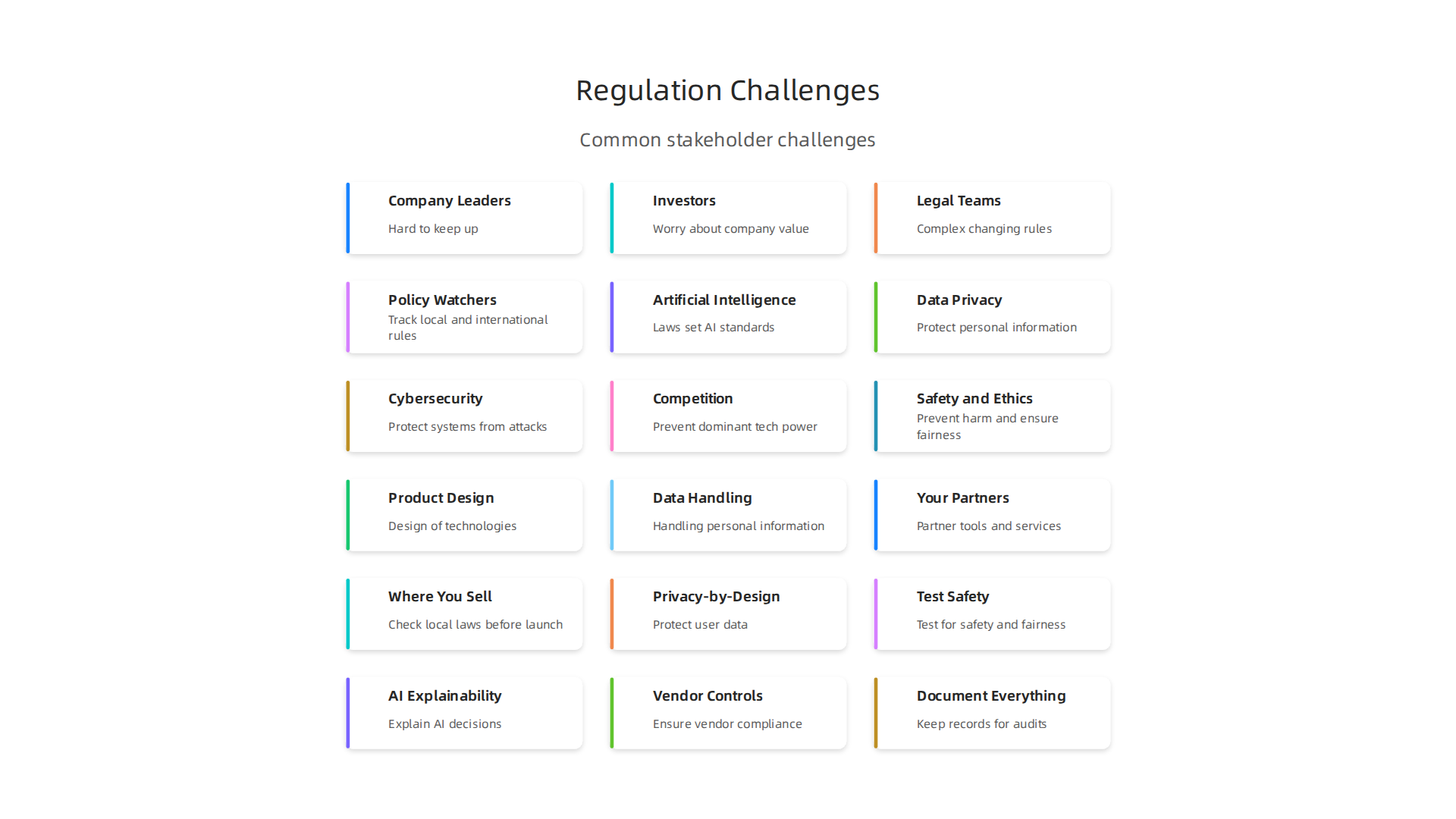
- For Company Leaders: If you run a company that makes or uses incredible technologies, it’s hard to keep up with all the different rules in every country. Rules about data privacy, for example, are different in the US, Europe, and Asia Global Trends in Privacy and Data Protection 2026. You want to grow your business, but you also need to make sure you’re not breaking any laws. It can be like trying to hit a moving target while wearing a blindfold.
- For Investors: People who put money into new tech companies worry about rules too. If a new rule comes out, it could make a company less valuable or harder to run. This means investors need to know about possible rule changes before they decide where to put their money.
- For Legal Teams: Lawyers and compliance teams inside companies have a very tough job. They must understand all the complex and changing rules to make sure their company follows them. If they miss something, the company could face big fines or other problems.
- For Policy Watchers: These are the people who watch how laws are made and how they affect society. They need to keep track of new rules popping up everywhere, from local governments to big international groups. This helps them understand what’s coming next for new technology.
Staying on top of these global shifts is a full-time job. Many are looking for clear, timely information to help them navigate these complex waters. If you’re a leader, investor, or part of a legal team, understanding these changes is key to success. To learn more about the specific rule changes happening this year, you can explore detailed information on tech regulations 2026 global changes tech leaders must understand.
Keeping track of every single update across all incredible technologies can feel impossible. That’s why many turn to specialized resources. If you’re looking for clear daily updates on AI and technology rules, we recommend The AI Newsletter Worth Reading.
Mapping the current regulatory landscape for incredible technologies
The world of rules for incredible technologies is like a big, winding road with many turns and new paths appearing all the time. To help leaders and investors, it is important to map out this road. In 2026, we see a few main areas where rules are growing fast.

Key Areas of Tech Regulation
New rules are being made for many types of advanced technologies, often called incredible technologies. Here are the main ones:
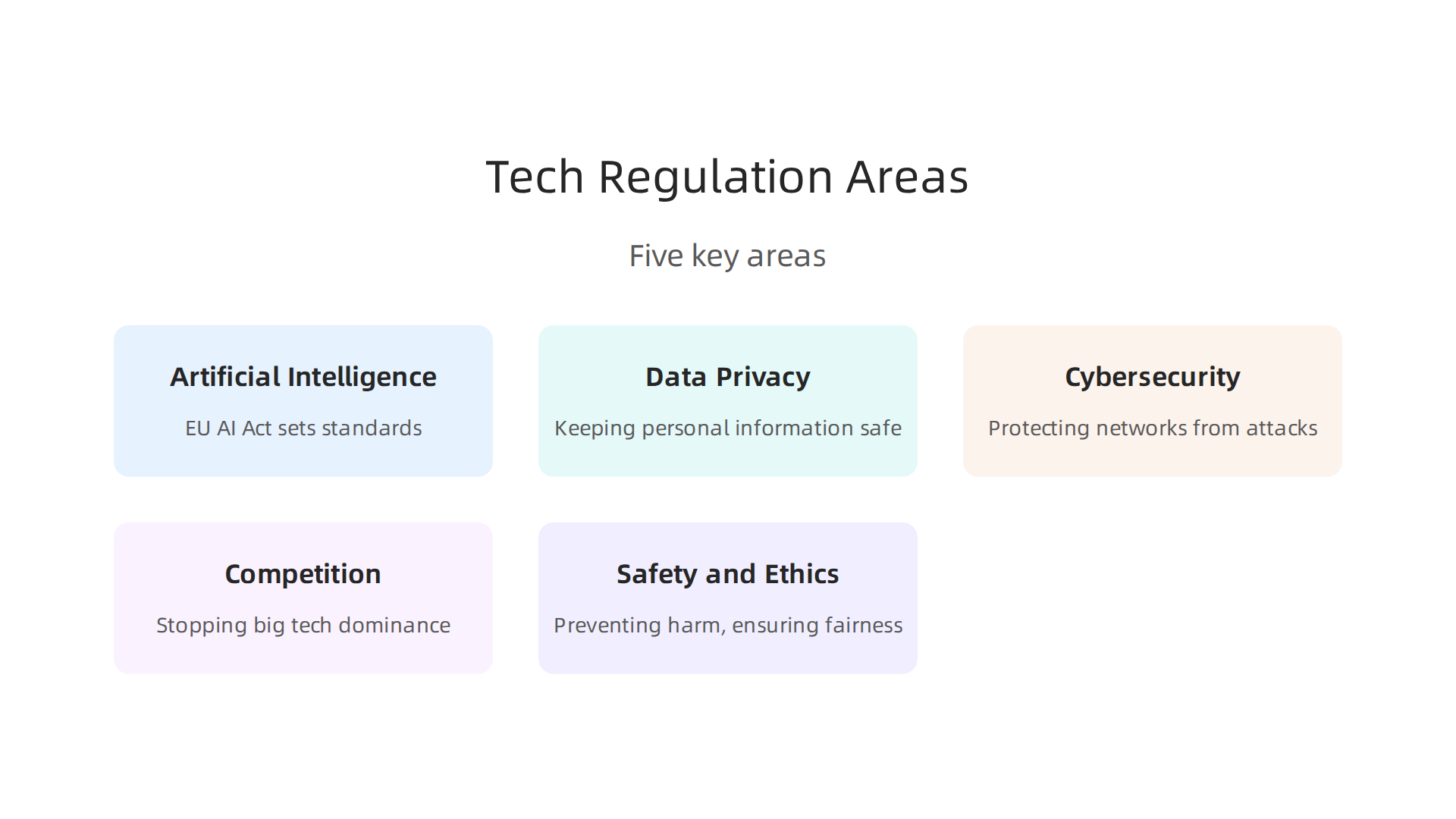
- Artificial Intelligence (AI): This is a huge focus. Countries like those in Europe have put out big laws, like the EU AI Act, which is setting a standard for how AI can be used safely and fairly Governing AI in 2026: A Global Regulatory Guide White Paper.

Many other places, from the US to Asia, are also creating their own rules for AI, covering everything from how AI makes decisions to what happens if AI creates harmful content Global AI Law and Policy Tracker. This is about making sure AI is used responsibly. To understand how to make an AI system follow these global regulations, it helps to learn how to make an AI compliant with global regulations in 2026.
-
Data Privacy: These rules are about keeping your personal information safe. In 2026, 144 countries have laws about data privacy. Famous ones include Europe’s GDPR and new state laws in the US 2026 Privacy Law Updates: Key Developments You Need. These laws make sure companies handle your data with care. This area is constantly changing, with new updates around the world Data Privacy AI Regulatory and Compliance Update 2026.
-
Cybersecurity: This is about protecting computers and networks from attacks. As more of our lives go online, governments want to make sure companies have strong ways to protect information. Rules are being updated in places like the US, UK, EU, and Middle East to ensure companies are ready for cyber threats Cybersecurity & Privacy 2026: Enforcement & Regulatory Trends. Some experts are even looking at ways to make these rules work better together across different countries to "defragment" them Defragmenting International Cybersecurity Regulations.
-
Competition: These rules aim to stop big tech companies from having too much power. Governments want to ensure smaller companies and new ideas can still grow. This means looking at how companies buy other companies or how they use their market power.
-
Safety and Ethics: Beyond just data, there are growing concerns about the safety and ethical use of incredible technologies. This includes things like preventing harm from AI-generated fake content or making sure new tools are fair to everyone U.S. Tech Legislative & Regulatory Update – First Quarter 2026.
Different Rules in Different Places
One of the biggest challenges for companies and investors is that these rules are not the same everywhere. What is allowed in one country might be against the law in another.
-
Europe vs. US vs. Asia: For example, Europe often has very strict rules about data privacy and AI. The US has a mix of federal and state laws, which can be different depending on where a company operates. Countries in Asia are also bringing in their own sets of rules, sometimes focusing on different things. This creates a "patchwork" of regulations. The 2026 Global Tech Regulation Map gives a country-by-country guide to these differences The 2026 Global Tech Regulation Map: A Country-by-Country Guide.
-
Why This Matters:
- Product Strategy: Companies making incredible technologies need to design their products to meet all these different rules. An alpha technology or viant technology product that works well in one country might need big changes for another.
- Cost: Following many different rules can be very expensive. Companies might need separate legal teams or systems for each region.
- Market Entry: It can be harder and take longer to sell products in new markets if the rules are very different. This can even slow down how fast new ideas spread.
This global mix of rules means that staying informed is not just good practice, it’s essential for anyone working with alpha technology or other incredible technologies. Legal teams and investors need to keep a close watch to guide their decisions, otherwise, they risk slowing down innovation or facing big fines.
The changing world of technology rules means companies can’t just hope for the best. They need a clear plan to check for risks. This is true for any incredible technologies they create or use. In 2026, understanding how to assess and handle these risks is key for making smart choices about products and where to sell them.

Your Simple Checklist for Tech Risks
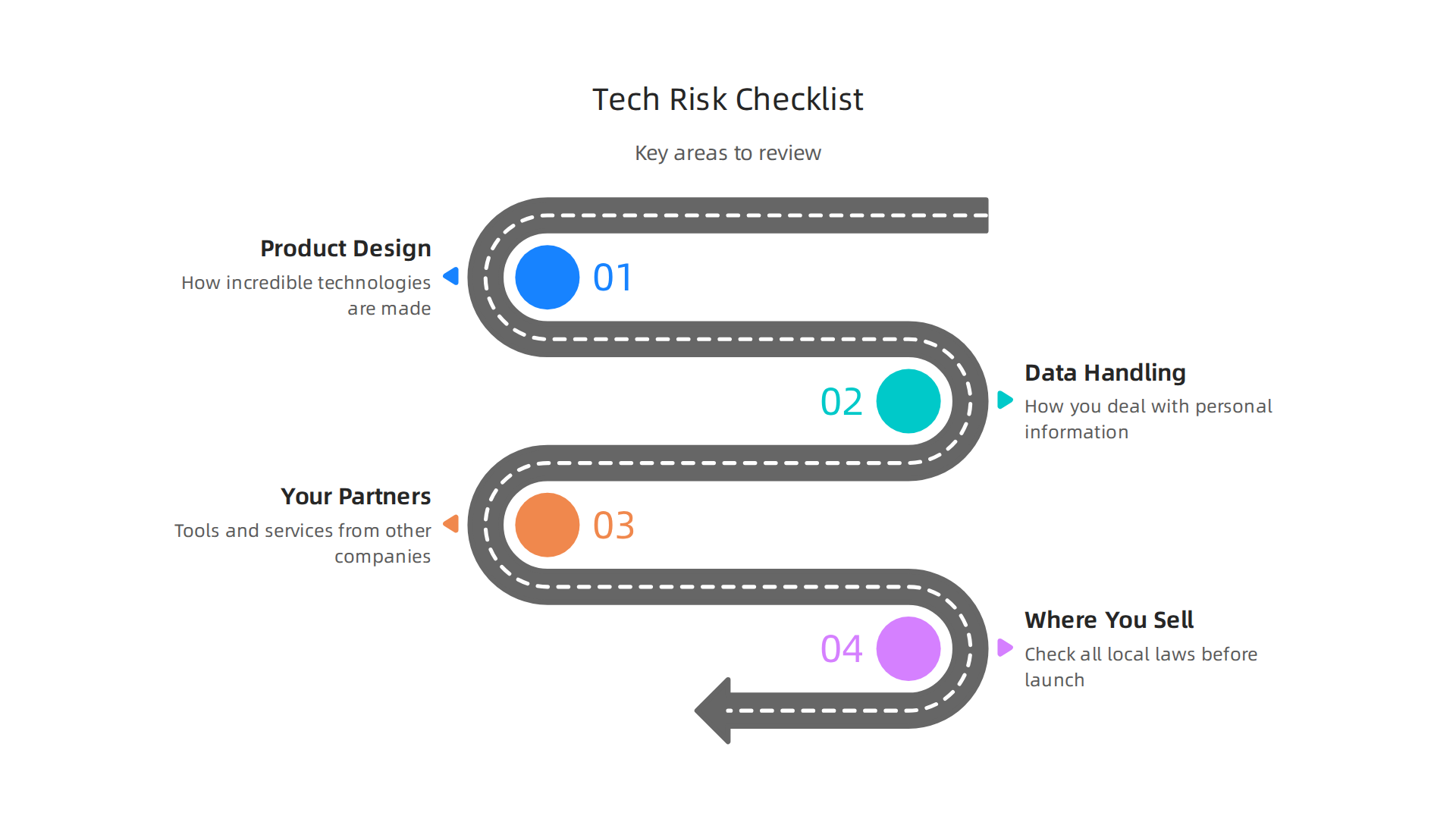
When you’re building new products, especially those that use advanced tools like AI or alpha technology, it’s important to look at a few main areas for possible problems. Think of this as a quick checklist to keep your company safe and compliant.
-
How You Design Your Products:
- Product Build: How are your incredible technologies made? Do they collect personal data? If so, you must protect that data from the very start. Frameworks like the NIST AI Risk Management Framework (AI RMF 1.0) help guide how to think about and manage risks with AI systems, making sure they are fair and safe Artificial Intelligence Risk Management Framework (AI RMF 1.0). Experts are even looking at new ways to handle privacy and dignity risks from modern AI New Framework Addresses Privacy, Dignity Risks Posed by Modern AI ….
- Security by Design: Are you building security into your product from day one? This means planning how to protect against cyber threats, not just adding it on later.
-
How You Handle Data:
- Privacy Checks: If your incredible technologies deal with personal information, you need to do a Privacy Impact Assessment (PIA) or Data Protection Impact Assessment (DPIA). These checks help you find and fix privacy risks. This is crucial for responsible AI governance Data Privacy Day 2026: Privacy as the Foundation of Responsible AI ….
- Where Data Lives: Some countries have strict rules about where data can be stored. If your viant technology needs to keep data in a certain place, you must follow those rules.
-
Your Partners and Tools:
- Working with Others: Do you use tools or services from other companies, like a specific lummus technology platform? You need to make sure their rules for security and privacy match yours. If a partner has a problem, it can become your problem too.
-
Where You Sell Your Product:
- Market Rules: As we talked about, rules are different everywhere. Before you launch a product in a new country, you need to check all the local laws. This helps you avoid big fines and makes sure your product can be sold there easily. For general guidance, check out articles on AI Regulations 2026: Compliance Strategies for Businesses.
Helping Smaller Teams Manage Risks
Smaller companies or teams often don’t have a big legal department. So, how can they still manage these risks effectively?
- Focus on the Biggest Risks: Not every risk is equal. Think about what could cause the most harm or the biggest fine if something went wrong. Focus on those first. This is often called a "likelihood x severity" approach.
- Use Existing Tools: You don’t have to start from scratch. Many guides and frameworks exist to help with AI risk assessment, like those from NIST and ISO AI Risk Assessment: Frameworks, Methods & Templates (2026).
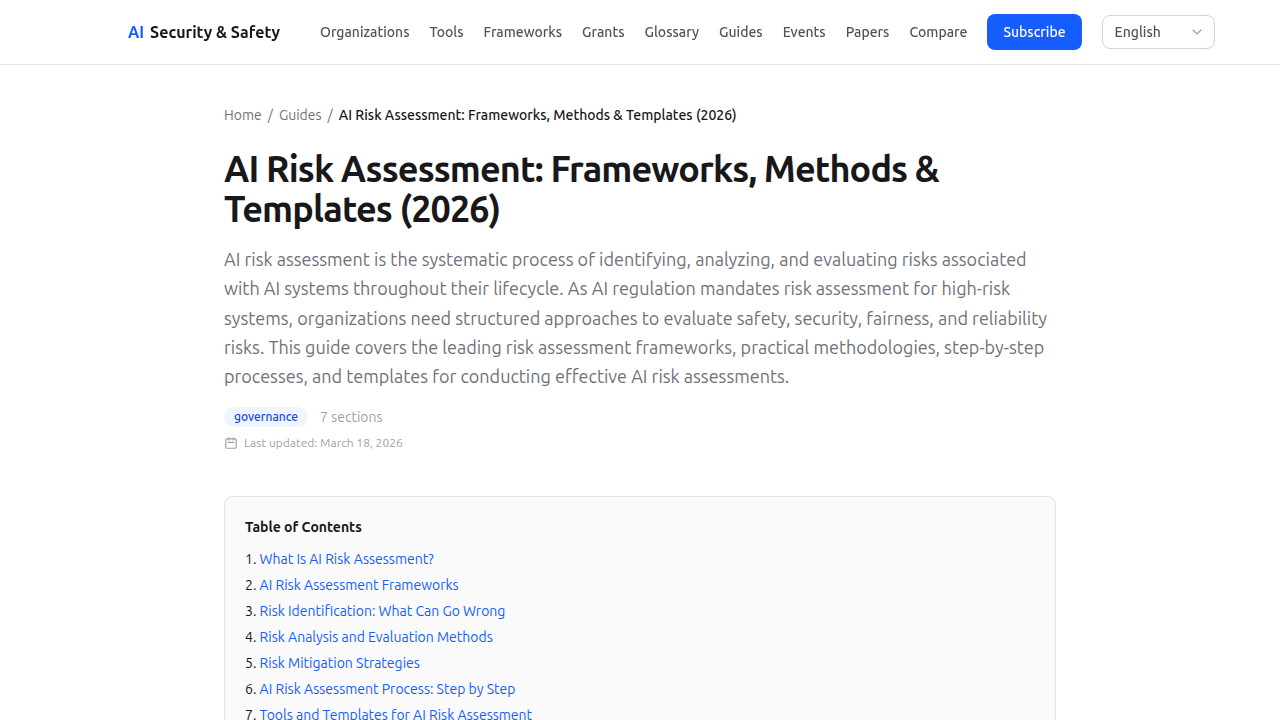
These are like helpful maps.
- Know When to Ask for Help: If you hit a tough spot or are not sure about a rule, it’s best to ask an expert. This could be your company’s legal team, or outside lawyers who specialize in tech regulation. Sometimes, investing in good advice early saves a lot of trouble later. This is especially true for tech startup regulation design for growth to avoid billions in fines.
Staying up to date with these fast-changing rules is a big job. If you want to keep up with the daily changes in AI and technology regulation, consider subscribing to The AI Newsletter Worth Reading. It gives clear updates to help you stay ahead.
Managing risks well doesn’t mean you have to stop creating amazing new things. Actually, when you design your products with compliance in mind from the very start, you can build even better, more trusted incredible technologies. This way, innovation and safety go hand-in-hand.
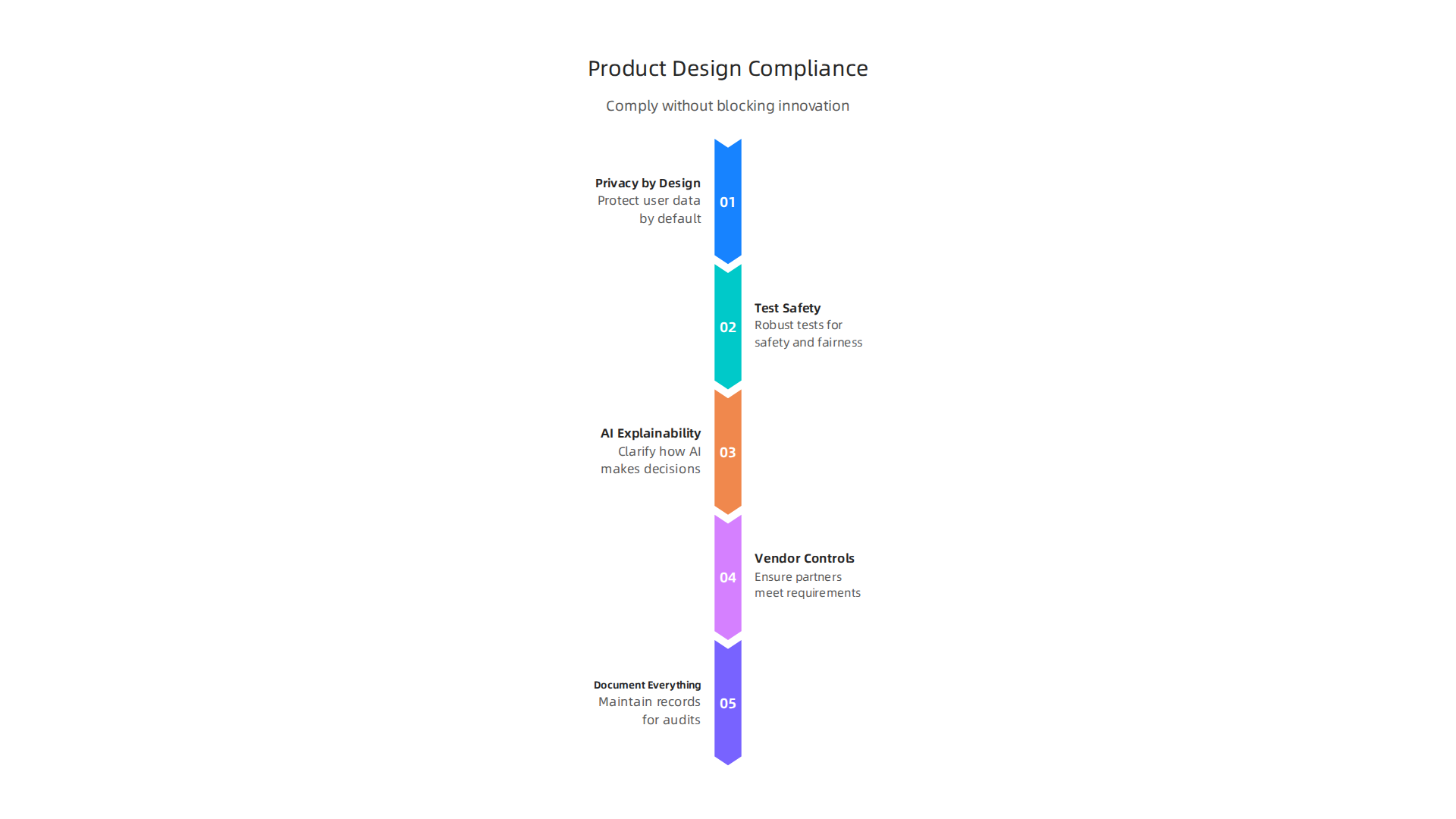
Here is how product teams can make sure their products meet rules without slowing down new ideas:
Build Privacy Right In (Privacy-by-Design)
Think about privacy from the very first sketch of your product. This means designing your incredible technologies to protect user data by default. For example, collect only the information you truly need and make sure it’s kept safe. This is a core part of what’s called "Privacy-by-Design." It helps you get ready for audits and meet rules, as outlined in guides like the Mastering Privacy in 2026: AI & Governance Roadmap.
Test for Safety and Fairness
Before any new alpha technology or other advanced product reaches customers, it needs strong testing. This isn’t just about making sure it works, but also that it’s safe and fair. For example, if your AI system makes decisions, you need to check that it doesn’t treat certain groups of people unfairly. This kind of testing helps you find and fix problems early, preventing bigger issues later.
Make Your AI Understandable (Explainability)
When you use advanced AI in your products, especially for important tasks, it’s often not enough for it just to work. You need to understand how it works and why it made a certain decision. This idea is called "explainability." Regulators in 2026 are increasingly asking companies to show clear evidence about how their AI makes choices. This transparency is key for trust and for audits, as it’s one of the 4 Trends in AI Governance for 2026. Learning how to clearly explain your AI’s reasoning helps you stay compliant.
Keep an Eye on Your Partners (Vendor Controls)
Many companies use tools or services from other businesses. If your product uses a specific viant technology from one vendor or a lummus technology from another, you need to be sure their practices also meet all the rules. This means having clear agreements and checks for every tech source you work with. Their problems can quickly become yours, so picking trusted partners is a must. To learn more about managing these complex AI systems, you can explore a strategic guide for tech leaders on mastering AI capabilities.
Document Everything for Audits
One of the best things your product team can do is keep good records. Document your design choices, your testing results, and how you made sure your product follows privacy and safety rules. When it’s time for an audit or approval, having clear, organized evidence makes the process much smoother. It shows that you thought about compliance from the start, making it easier to show how to make an AI compliant with global regulations in 2026.
After all your careful planning and documentation, the next big step is launching your product into the world. This is where getting approvals and navigating the rules truly comes to life. It’s not just about building incredible technologies right; it’s about getting them to market without trouble.
Go-to-market and enforcement: navigating approvals, fines, and public scrutiny
Before your new product can reach customers, it often needs a stamp of approval from government bodies. These checkpoints are super important, especially for advanced items like new AI systems or medical devices. They make sure everything is safe and fair. Think of it like getting a driver’s license for your product. You need to show it’s ready and won’t cause harm. This includes making sure your labeling is clear and your marketing claims are honest. If you say your new alpha technology can do something amazing, you need to be able to prove it. Exaggerating can lead to big problems later on.
Regulators in 2026 are paying close attention to how companies talk about their products. They want to make sure the claims are accurate, especially for complex systems.
Facing Fines and Legal Trouble
What happens if you don’t follow the rules? Well, things can get pretty serious. Companies can face large fines, legal investigations, and public backlash. Many major tech companies have already faced billions of dollars in fines and lawsuits related to AI and data practices since 2022, as highlighted in reports on Major fines, lawsuits against Big Tech over AI and data practices. This shows how serious governments are about enforcing these new rules.
Lawsuits are also on the rise. For example, some courts are finding digital platforms responsible for harm caused by their design choices, meaning they can face increased civil litigation exposure for design-based liability claims. This means if your viant technology or lummus technology causes problems because of how it was built, you could be held responsible. This shift in how courts see things can affect when and how you launch products. It also changes how you talk about what your products do and what problems they might have.
Every tech source you use and every part of your product can add to your company’s risk if not handled well. The decisions you make about design and marketing directly affect your legal standing and public image.
To stay on top of all these changes, it’s vital to keep learning about new regulations. Understanding global changes in tech regulations helps you launch your products safely and avoid costly mistakes. You can learn more about these shifting landscapes by exploring Tech Regulations 2026 Global Changes Tech Leaders Must Understand. Staying informed helps your company make smarter choices and reduces the chance of problems with regulators or the public.
To ensure you’re always up-to-date with the latest developments in AI and technology regulation, consider subscribing to a specialized newsletter.
Get clear daily AI updates from The Deep View Newsletter.
The AI Newsletter Worth Reading
When you plan to share your incredible technologies with the world, moving them across borders adds new challenges. Each country has its own special rules. What works in one place might be a big problem in another. It’s like playing a game with many different rulebooks all at once.
Common Cross-Border Hurdles
One big challenge is data localization. Some countries want certain types of data to stay within their own borders. This means if your product collects user data, you might need to store it in servers physically located in that country, not just anywhere. This can make it tricky for cloud services or global databases. In 2026, many countries are adding new rules about where data should be kept, which is a key trend in Global Trends in Privacy and Data Protection 2026.
Then there are export controls. These rules decide which high-tech items, like a new alpha technology or viant technology, can be sent to certain countries. Governments put these rules in place for national security or other important reasons. If your product uses very advanced technology, you might not be able to sell it everywhere. It’s super important to understand these rules to avoid serious legal trouble. You can learn more about these specific requirements by reading about classified technologies in 2026 what businesses must know about export controls and compliance.
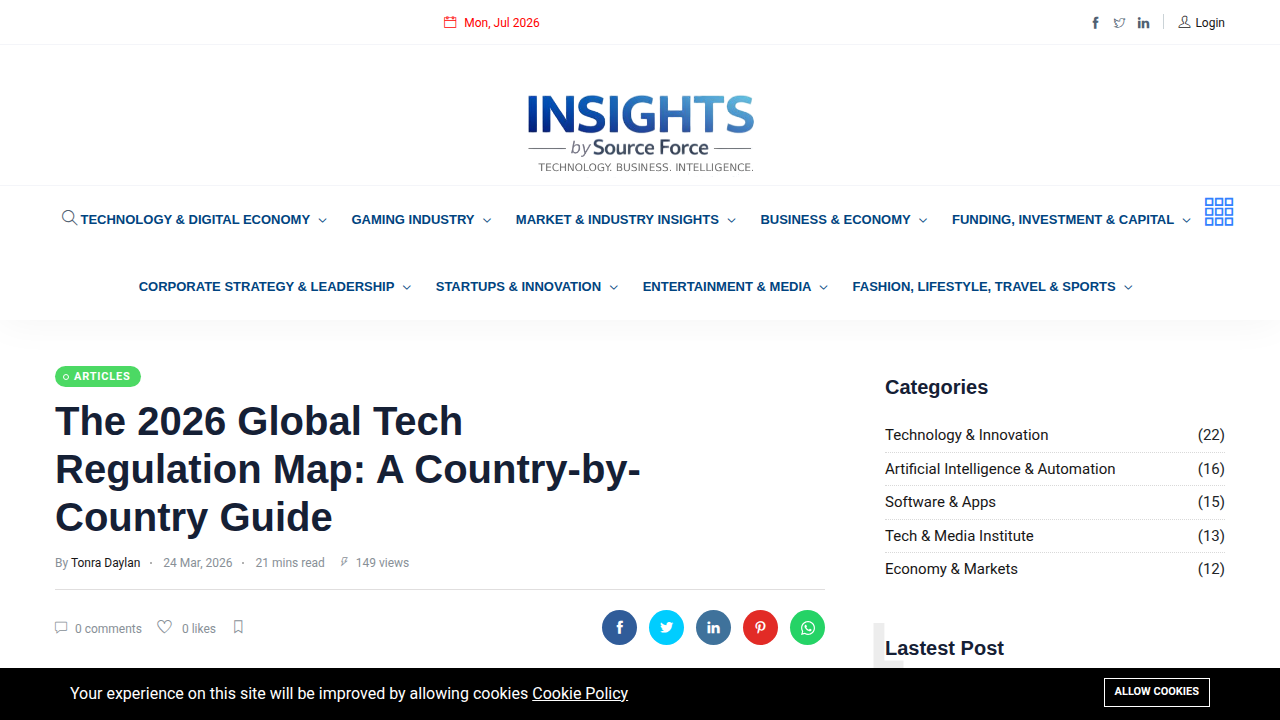
Finally, differing liability regimes create difficulties. This happens when laws about who is responsible for problems are different from country to country. If your lummus technology causes harm in a different country, which country’s laws apply? Resolving these jurisdictional conflicts can be very complex, especially as detailed in The 2026 Global Tech Regulation Map: A Country-by-Country Guide.
Strategies for International Compliance
To handle these many rules, companies need to be smart. Here are some ideas:
- Build flexible systems: Design your products and services so they can easily adapt to different legal requirements in various regions.
- Get local advice: Work with legal experts in each country where you plan to operate. They can help you understand the specific rules and avoid common mistakes.
- Careful contracts: Make sure your agreements with partners and customers clearly state which laws apply and how problems will be solved across borders.
- Strong compliance programs: Set up a system within your company to check that you are following all the rules, everywhere you do business. This includes staying up-to-date on new laws. For AI, specifically, it’s wise to learn how to make an AI compliant with global regulations in 2026.
Dealing with cross-border rules requires a lot of planning and attention to detail. Every tech source you use and every decision you make about international sales needs to be thought out carefully to make sure your product can reach customers around the world without facing legal roadblocks.
Moving into the future, dealing with new rules will become even more important for companies working with incredible technologies. It’s not enough to just follow the rules today. Smart businesses also need to look ahead to what might come next in 2027 and beyond. This way, they can get ready and stay strong no matter how things change.

Anticipating Regulatory Trends: Preparing for 2027 and Beyond
To be ready for what’s ahead, companies need to keep an eye on certain signals. Think of these as clues about where new rules might be going.
Signals to Watch Closely
- New Law Ideas: Governments are always thinking about new laws. For example, the EU AI Act is fully taking effect in August 2026, setting rules for things like high-risk AI systems and transparent generative AI. In the US, there are talks about new laws, like the DEFIANCE Act, which aims to help people harmed by AI-made images without their permission in 2026. Watching these new law ideas, known as legislative proposals, helps companies see what issues are on lawmakers’ minds.
- Setting Standards: Many groups are working on common rules for how technology should work safely and fairly. For instance, the NIST AI Risk Management Framework and ISO 42001 are important guides for how businesses should manage AI. These standards are not always laws, but they often show what future laws might look like. If your company uses advanced tools, such as alpha technology or viant technology, keeping up with these standards is a smart move.
- Big Legal Cases: When a government agency like the FTC or the DOJ takes a company to court over tech use, it sends a clear message. These major enforcement cases can show everyone how existing laws apply to new technologies and where the government might focus its efforts next. They can highlight the risks if a company’s lummus technology or any other tech source falls short of expectations. The year 2026 is seeing a "great tech reckoning" as regulation really starts to impact powerful corporations, as described in The Great Tech Reckoning: Why 2026 is the Year Regulation Finally ….
Steps to Take Now for a Stronger Future
Preparing for future rules might seem hard, but there are clear steps companies can take.
- Stay in the Know: Make it a habit to check for updates on tech regulations. This means reading news from reliable places and understanding what’s happening. Businesses need to proactively track how new digital services regulations might impact data privacy and accountability, with significant changes coming in Q3 2026, as noted in Tech 2026: Growth, Regulation & Future Outlook.
- Build Flexible Tech: Design your incredible technologies to be able to change easily. If a new rule comes out, you want to be able to adjust your products without starting from scratch.
- Invest in AI Governance: As AI becomes a bigger part of business, having a plan for how you use and oversee it is key. This means setting up clear rules for things like ethical principles and who is in charge of monitoring AI. Many experts agree that an AI governance framework is essential in 2026. You can learn more about AI governance and regulation 2026 to guide your efforts.
- Team Up with Experts: Don’t try to figure it all out alone. Work with legal and compliance experts who know a lot about tech rules. They can help you understand the tricky parts and make good choices. For more on this, consider exploring how to master artificial intelligence with compliance in mind.
By keeping an eye on these signals and taking these steps, companies can make sure their amazing technologies continue to grow and succeed, even as the world of regulation changes.
To get daily, in-depth updates on AI and technology rules, subscribe to: The AI Newsletter Worth Reading
Summary
This article explains why regulation matters for rapidly advancing