
It’s 2026, and if you work in technology, you’ve probably noticed something big happening. The rules that govern tech companies are changing at a very fast pace. It’s not just a few new laws here and there. Governments all over the world are creating more and more rules for how technology companies should operate.

This includes everything from how data is used to how large "tech systems" compete in the market.
These new rules are truly reshaping how global tech leaders, whether in areas like "abbott tech" or "zensar technologies", make their plans. For example, laws about fair competition are becoming much stricter across the United States, Europe, and the UK. Regulators are looking closely at digital markets, how artificial intelligence (AI) is used, and how data is handled Global Antitrust Update Spring 2026.
This article will give you a clear look at these important changes. We will help you understand how new rules affect your business, the products you build, and your investment choices.
Our goal is to connect these big regulatory trends to the everyday decisions you need to make. Understanding these shifts is key to staying out of trouble and keeping your "life technologies" ventures thriving. Learning about these new rules can help you avoid costly mistakes and make smarter moves for the future. You can discover more helpful tips on how to prepare your company with AI Regulations 2026 Compliance Strategies for Businesses.
Keeping up with all the new regulations, especially for AI, can feel like a lot. That’s why we invite you to Get clear daily AI updates from The Deep View Newsletter.
The rules for tech companies keep changing, and some places are much busier than others when it comes to making and enforcing these rules in 2026.
Knowing these busy spots helps companies like abbott tech and zensar technologies stay on the right path.
Major Regulatory Hotspots
Many countries are very active in making new rules for technology.
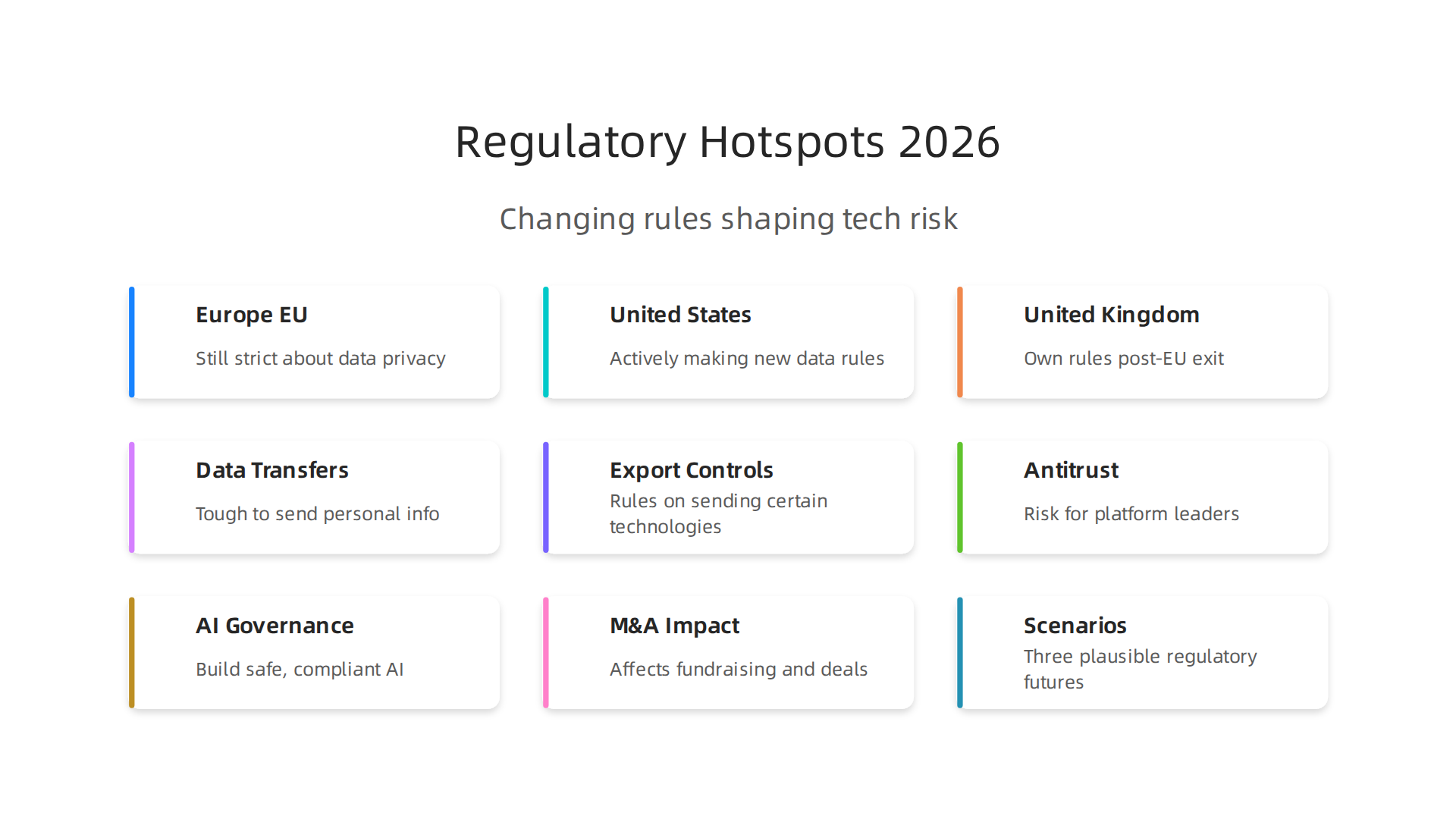
- Europe (EU) is a big one. They are still strict about data privacy with their GDPR laws.
In fact, total fines for not following GDPR have gone over 7.1 billion Euros since 2018, with thousands of cases recorded EU Regulatory Enforcement Tracker 2026 | Fines & Status. The EU also keeps a close watch on large digital companies to make sure they play fair in the market. This includes looking at how big tech systems operate and making sure they do not have too much power.
- The United States is also very active. They are looking closely at how technology companies handle user data and making new rules for it. For example, a new rule called the Data Security Program took effect in 2025 from the U.S. Department of Justice. This program changed how companies handle and transfer large amounts of data A New Era of Cross-Border Data Transfer Compliance | FTI. The US also continues to challenge large tech platforms to keep competition fair.
- The United Kingdom also has its own rules, especially after leaving the EU. It works alongside the EU on many competition issues for tech, ensuring that digital markets are fair.
Across the globe, fines for not following rules are growing fast. Data privacy issues and problems with how companies operate are causing many of these fines Global Compliance Fines Surge in Q1 2026 as Data Privacy …. This means that companies focused on life technologies and other tech areas must be extra careful. If you are looking to understand more about specific rules in the US, you can read about US tech regulations 2026 navigating data privacy AI governance and antitrust rules.
Cross-Border Challenges
One of the biggest headaches for tech companies today is moving data across different countries. Each country has its own ideas about who owns data and how it should be protected. This is called "data sovereignty."
- Data Transfers: It’s tough to send personal information from Europe to countries outside the EU without following strict rules. While some countries are "approved" for easy data transfer, many are not. New US laws also stop data brokers from sending certain sensitive data of US people to specific "foreign adversary countries." This makes international business tricky for tech systems. A recent report highlights that dealing with data sovereignty issues and ensuring compliance is becoming a major challenge for businesses Data Sovereignty Report.
- Export Controls: Beyond data, some countries also have rules about sending certain technologies, like advanced AI tools, out of their borders. These are called export controls. Companies dealing with classified technologies need to be very careful to avoid problems. You can learn more about this by reading classified technologies in 2026 what businesses must know about export controls and compliance.
All these cross-border issues mean that a company’s plan for tech systems needs to think about laws in many different places at once. This helps avoid big fines and ensures that your company continues to grow. To learn more about how to design your business to avoid these costly mistakes, check out tech startup regulation design for growth to avoid billions in fines.
Dealing with data across different countries is a huge puzzle for tech companies today.

This is because each country has its own rules about whose data is it and how safe it needs to be. These rules make it very tricky to move information around the world.
New Rules for Moving Data
One key way countries manage data flow is through "adequacy decisions." This is when one country or group of countries, like the EU, decides that another country has good enough rules to protect personal data. If a country is "adequate," data can move there more easily. For example, the EU and the UK have an agreement that lets data flow smoothly between them. This agreement was updated in December 2025 and is set to last until December 2031, which is good news for companies like abbott tech that operate in both regions Data transfers in 2025: A review | Arthur Cox LLP.
But what if a country isn’t "adequate"? Then companies must use other tools, like Standard Contractual Clauses (SCCs). These are special agreements between companies that promise to protect data even when it leaves an area with strong rules, like the EU. These clauses were updated in 2021 by the European Commission to make them stronger Cross Border Data Transfer: GDPR Rules, Transfer Impact …. This means companies like zensar technologies have to make sure these agreements are in place for all their global operations.
How Rules Shape Tech Systems and Cloud Choices
These rules really change how tech companies build their products and use cloud services. Companies can’t just store data anywhere anymore. They have to think about:
- Product Architecture: For products that handle sensitive information, like those in life technologies, a company might need to design its tech systems so that customer data from Europe stays in Europe, and data from the US stays in the US. This can mean building separate systems or even different versions of a product for different parts of the world.
- Cloud Strategy: Choosing a cloud service provider isn’t just about price and speed. It’s also about where that provider stores data. If your data must stay within certain borders, you need a cloud provider who can promise to keep it there. This can make cloud choices more complicated and sometimes more expensive.
Getting these data protection rules right is super important. It helps companies avoid big fines and makes sure customers trust them with their information. Understanding these complex rules can help you create strong AI Regulations 2026 Compliance Strategies for Businesses.
To stay on top of the rapidly changing world of technology rules and AI, sign up for a helpful newsletter. Get clear daily AI updates from The AI Newsletter Worth Reading.
Antitrust and Competition Risks for Platform Leaders
Beyond data privacy, big tech companies today face strong challenges from antitrust laws. These laws aim to stop very large companies from having too much power or stopping smaller companies from growing. In 2026, governments are watching platform leaders more closely than ever.
Recent Scrutiny and New Rules
Around the world, there’s a big push to make sure markets stay fair.
In the US, government agencies are actively going after big technology companies that they believe are acting like monopolies.
This involves investigations and lawsuits against them Big Tech Antitrust Enforcement: Platform Regulation and Market …. They are also looking at how algorithms and AI might be used to set unfair prices Antitrust & Competition Outlook for 2026.
Europe has been especially active. The European Union (EU) is using its Digital Markets Act (DMA) and other antitrust rules to control big tech companies. In 2025, the EU focused on how dominant digital players might be setting unfair trading conditions that hurt both consumers and other businesses EUROPEAN COMMISSION Brussels, 5.5.2026 SWD(2026 …. For example, there have been big fines and rules put in place for companies like Google and Microsoft to ensure fair play BRIEFING ROOM: Antitrust in the technology sector — Financier Worldwide.
Overall, compliance fines across the globe are growing in 2026, with data privacy and how companies operate being key reasons Global Compliance Fines Surge in Q1 2026 as Data Privacy …. This means that companies like abbott tech or zensar technologies need to be very careful. Regulators are expanding their checks beyond just old-school rules to include digital areas, AI, and how data is used Global Antitrust Update Spring 2026 | Key Takeaways.
Staying Safe: Steps for Tech Companies
To avoid problems, companies need to change how they work. Here’s what product and commercial teams should do:
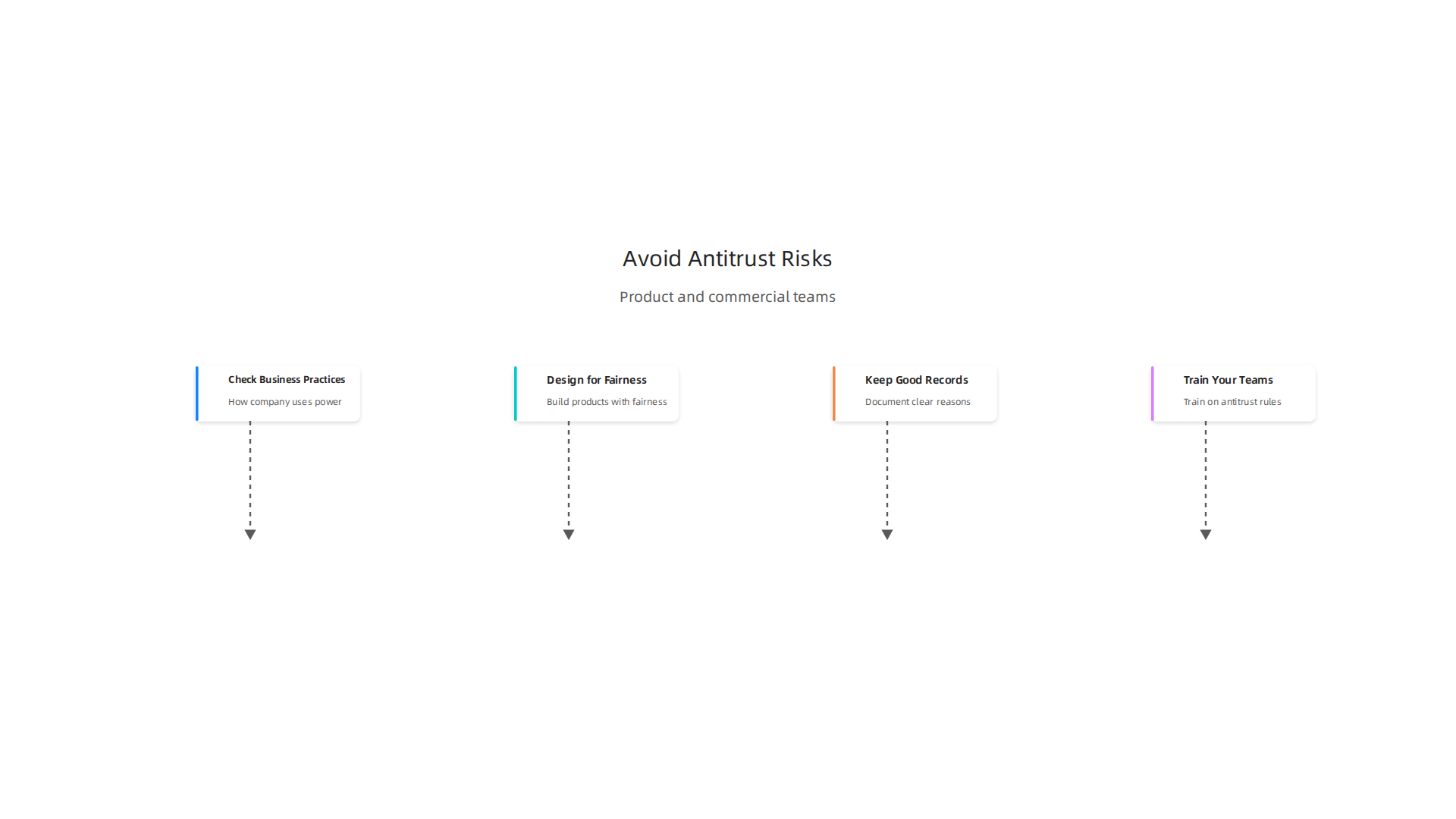
- Check Your Business Practices: Look at how your company uses its power in the market. Are you treating smaller partners fairly? Are your prices or terms stopping new companies from joining the market? Companies like those in life technologies need to be extra careful, given the sensitive nature of their services.
- Design for Fairness: When building new products or updating existing tech systems, think about competition from the start. Can competitors easily connect with your platform? Is your product set up so it doesn’t give you an unfair advantage? This kind of forward-thinking design can help avoid future legal headaches.
- Keep Good Records: Have clear reasons for all your business choices. If a regulator asks why you did something, you need to show that you acted fairly and legally.
- Train Your Teams: Make sure everyone, especially sales and product teams, understands antitrust rules. They need to know what they can and cannot say or do regarding competitors and market share.
Navigating these new rules and avoiding big fines is a critical task for any tech company in 2026. Understanding the bigger picture of US tech regulations 2026 navigating data privacy AI governance and antitrust rules is essential. Companies should also learn how tech startup regulation design for growth to avoid billions in fines can help them scale safely. The goal is to build great products and grow your business without stepping on anyone’s toes or breaking the law. This increased attention from regulators means that corporate liability is also on the rise Navigating the New Era of Tech Enforcement: What It Means ….
AI Governance, Compliance, and Product Risk
Just like with antitrust rules, how companies use Artificial Intelligence (AI) is now under a microscope. In 2026, there are many new rules about how AI should be designed and used. Companies need to make sure their AI tech systems are fair and safe, or they could face big problems.
New Rules for AI in 2026
Governments around the world are getting serious about AI regulation. The European Union (EU) has led the way with its AI Act.
This law is the first of its kind globally and sets clear rules for AI use AI Act | Shaping Europe’s digital future – European Union. By August 2026, many parts of this Act will be in full effect, especially for general-purpose AI models and rules about what AI cannot do Global AI Regulation Status Tracker 2026: Live Deadlines. Other countries, including parts of the US like Colorado and California, are also creating their own AI laws 2026 AI Laws Update: Key Regulations and Practical Guidance.
This means that making AI compliant is no longer just a good idea; it’s a must. Privacy and compliance teams in companies are now tasked with turning these new rules into real actions Governing AI in 2026: A Global Regulatory Guide White …. For instance, transparency rules for AI-generated content will start in August 2026, meaning content created by AI might need special labels Naaia News – June 2026.
Making Your AI Products Safe and Lawful
For companies like abbott tech and zensar technologies, it’s key to build AI responsibly from the very start. Here are some simple steps:
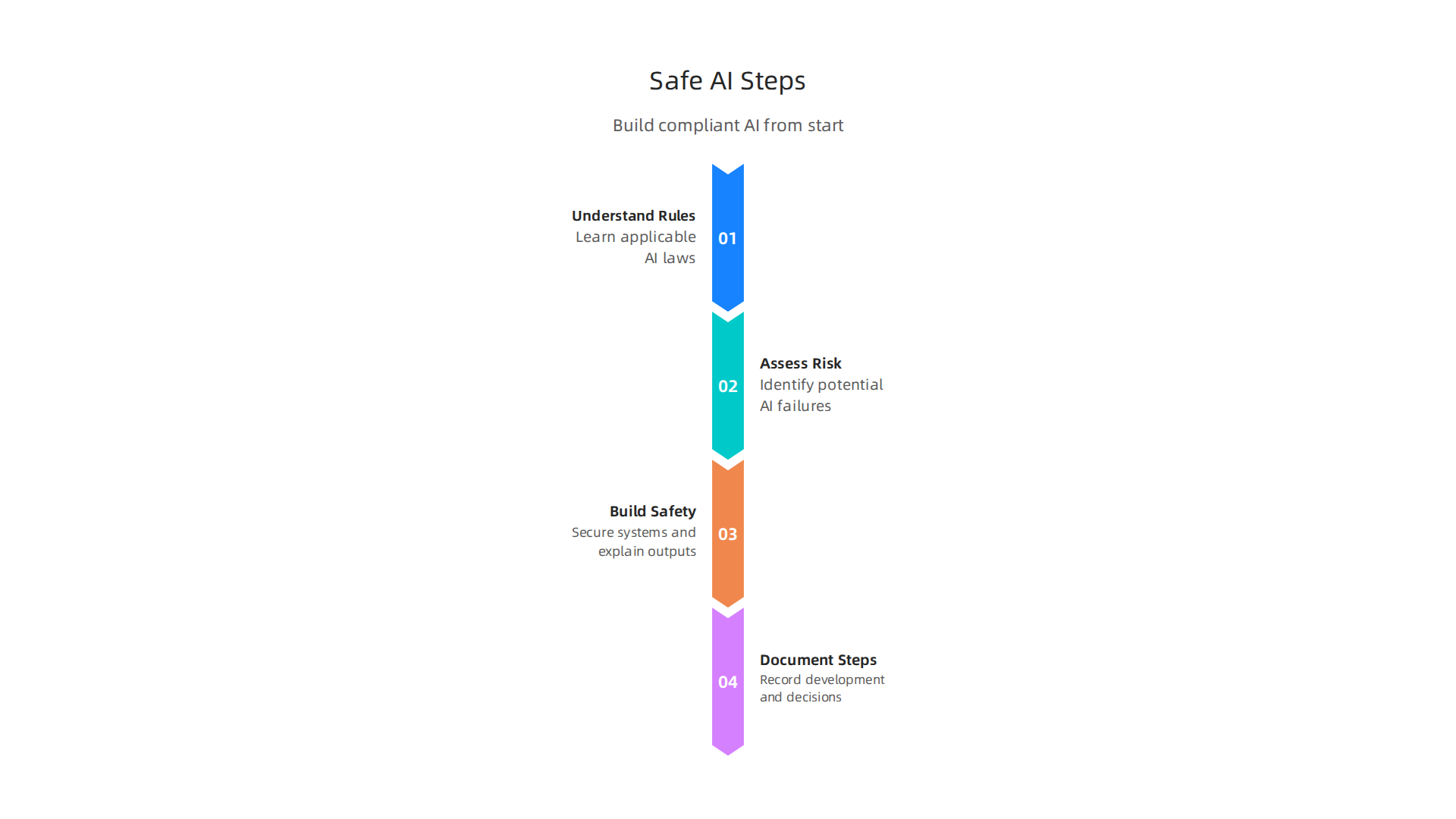
- Understand the Rules: Learn about the AI laws that apply where your company operates. The EU AI Act is a big one, but check local rules too. You can learn more about how to make an AI compliant with global regulations in 2026.
- Think About Risk: Before launching any AI product, think about what could go wrong. Could it make unfair decisions? Could it harm people? This is especially important for companies in sensitive areas like life technologies.
- Build in Safety: Design your AI tech systems so they are secure and cannot be easily misused. Make sure you can explain how your AI makes its decisions.
- Keep Records: Document every step of your AI’s development and how you made sure it follows the rules. If a regulator asks, you need to be able to show your work. Companies need to be ready for these changes 2026 Year in Preview: AI Regulatory Developments for Companies ….
Staying on top of these fast-changing AI rules can feel like a lot. For daily updates on AI and technology rules, consider getting The AI Newsletter Worth Reading. It helps professionals stay informed and make smart choices.
As companies like abbott tech and zensar technologies work to make their AI products safe and lawful, the effect of these new rules goes even deeper. It changes how much companies are valued, how business deals are made, and what investors consider risky.
How Regulations Change Company Value and Deals
New tech regulations, especially around AI, mean that investors and buyers look at companies differently now.

They are more careful when checking out a company before investing or buying it. This process is called due diligence, and it’s becoming much more complex Tech M&A and investment: Legal and regulatory complexity ….
For example, if a company makes great tech systems, but those systems might not follow new data privacy laws or AI rules, its value could go down. Investors are now worried about big fines if a company fails to comply. In fact, global fines for not following rules went up a lot in early 2026, especially for data privacy Global Compliance Fines Surge in Q1 2026 as Data Privacy …. This means that companies, especially those in sensitive areas like life technologies, need to prove their tech is not just innovative but also fully compliant.
When investors do their checks, they now focus on many things beyond just the tech itself. They look at a company’s leadership, its technology, how it handles compliance, how it impacts the environment and society, and its reputation. You can see more about what new due diligence trends are driving 2026 for investors.
Helping Investors Feel Safe About Regulatory Risk
To keep investors interested, companies need to show they are serious about following the rules. It’s not enough to just hope for the best. Here are some ways companies can lower investor risk:
- Be Open and Clear: Share how your company handles regulatory risks. Show that you have good plans in place to meet new laws. Investors want to see proof that your company is ready for the future What Investors Will Expect From Tech Startups in 2026.
- Strong Governance: Have clear rules and people responsible for making sure the company follows all tech regulations. This includes having good checks on AI systems and data Private Equity Due Diligence: The 2026 for AI, Data, and Cyber Risk.
- Proactive Compliance: Don’t wait for problems to happen. Companies should actively seek to meet new rules before they become a big issue. This might involve setting up a technology strategy board for EU AI Act 2026 compliance.
- Document Everything: Keep detailed records of how your tech systems are developed and how you ensure they are compliant. This helps show regulators and investors that you are doing things the right way.
The world of tech enforcement is changing fast. It now means that companies face more responsibility. Staying informed about these changes is key for any company looking to grow and attract investors Navigating the New Era of Tech Enforcement: What It Means ….
The changing world of tech enforcement means companies need smart ways to handle rules every day. It’s not enough to just check things at the end. Companies need to build compliance right into how they work. This means that product teams, engineers, and legal experts must all work together from the very start.
Operational Compliance: Building Scalable Legal and Engineering Practices
To truly keep up, companies must find ways to make following rules a part of their daily work, not just a separate task. This helps them grow without running into big problems later. For instance, major companies like abbott tech and zensar technologies have to make sure their new tech systems are designed with privacy and safety in mind from day one. This is especially important for sensitive areas such as life technologies, where the impact of non-compliance can be huge.
Here’s how teams can work together:
- Product Teams: When creating new products, they should think about rules like data privacy and AI ethics. They need to ask, "Can this product follow all the rules in different countries?"
- Engineering Teams: They build the tech. They need clear instructions on how to code and develop products that automatically meet compliance standards. They should use tools that help check their work as they go. To learn more, see how to make an AI compliant with global regulations in 2026.
- Legal Teams: Instead of just saying "no" at the end, legal teams should work closely with product and engineering from the start. They can offer advice and create easy-to-understand guides for everyone. This way, legal advice becomes a helpful part of creation, not a roadblock.
To make this teamwork smooth, companies are using special tools and processes. These tools, sometimes called RegTech (Regulatory Technology), help manage all the rules efficiently. They can automate parts of compliance, like checking data transfers or making sure privacy settings are correct. Many firms are looking at how innovation in compliance can lead to more data-driven and efficient models in 2026 What will happen in RegTech in 2026? & Why innovation is ….
These tools might:
- Keep track of all the different rules a company needs to follow.
- Help teams share information and updates about compliance easily.
- Automate checks to find problems before they become serious. Companies like SVR Intelligence are helping automate regulatory compliance across global jurisdictions.
- Create reports quickly to show regulators and investors that the company is doing things right.
By putting these practices in place, companies can build tech systems that are not only innovative but also trustworthy and fully compliant, no matter how complex the global rules get. Keeping up with these quick changes is important for business leaders. Get clear daily AI updates from The AI Newsletter Worth Reading.
Keeping up with these quick changes is important for business leaders. But what if the rules change in big, unexpected ways? This is why thinking ahead, also known as scenario planning, is so important for companies in 2026. It helps them prepare for different possible futures. For companies like abbott tech, knowing how rules might shift can save a lot of trouble later.
Scenario planning: preparing for 3 plausible regulatory futures
Imagine three different paths the world of tech rules could take. Leaders need to think about each path and how it would change their plans for products, how they sell things, and how they stay compliant.
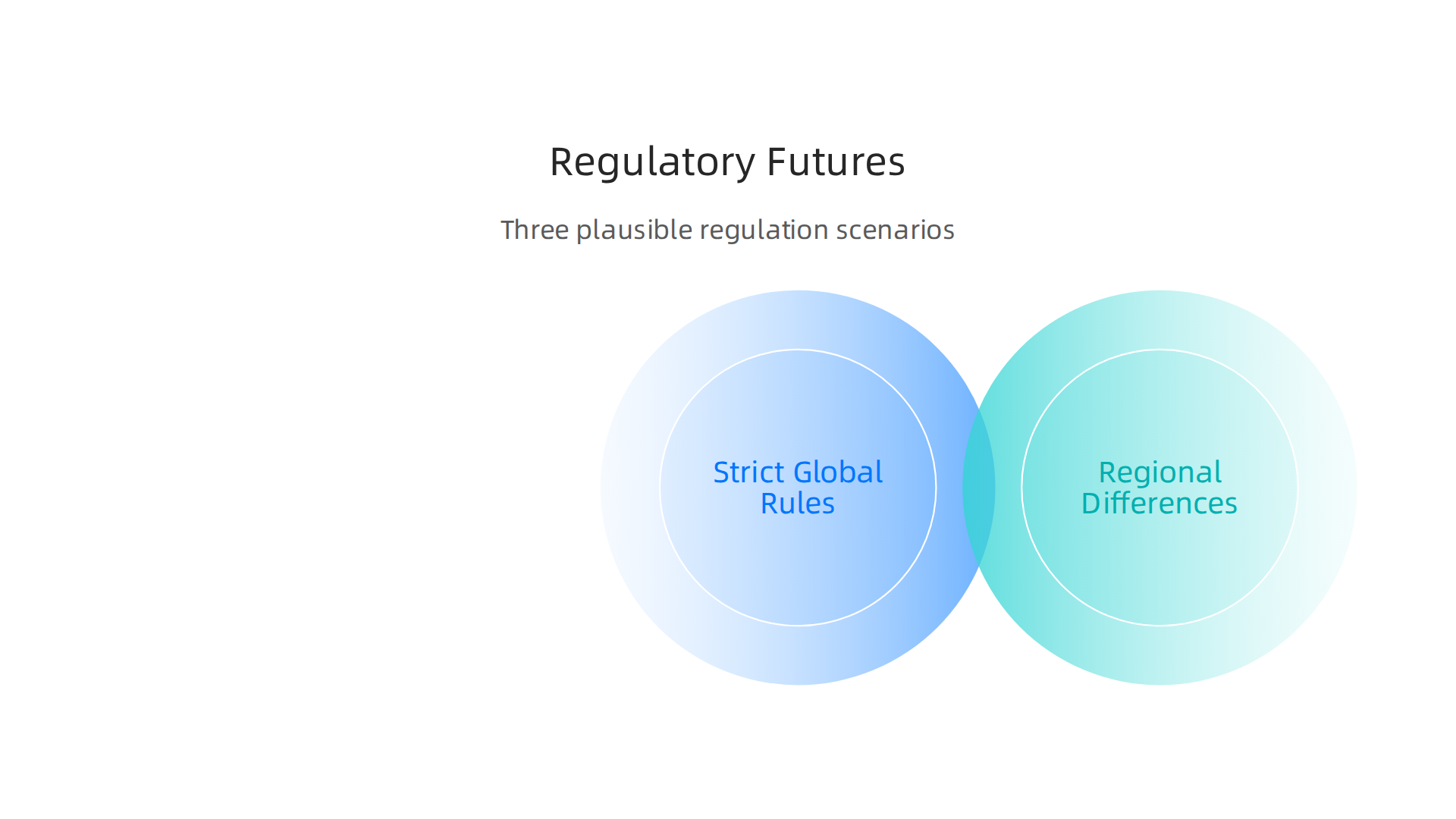
Here are three ideas for how the future of tech rules might look:
Scenario 1: Strict Global Rules for AI
In this future, countries work together to create very strict rules for AI. Think of how the EU AI Act works today; it’s a big set of rules for artificial intelligence systems AI Act | Shaping Europe’s digital future – European Union. By 2026, many parts of these laws are already in effect, with more to come. In this world, every new AI product or service, even for things like life technologies, would need to meet high standards from all over the world.
- Product teams would need to design tech systems with "safety first" built right in, making sure they can pass checks everywhere.
- Go-to-market teams would sell products only after they meet all global stamps of approval.
- Compliance teams would have to keep track of one big, detailed list of rules.
Scenario 2: Regional Differences Grow Wider
Here, instead of one set of global rules, each major region or country makes its own unique laws. This means what’s okay in Europe might be different from what’s allowed in the US or Asia Governing AI in 2026: A Global Regulatory Guide White …. For a global company like zensar technologies, this would be a big challenge.
- Product teams might need to make different versions of their tech systems for different places.
- Go-to-market teams would have to understand many local laws and adjust how they advertise and sell in each area.
- Compliance teams would face a puzzle of many different rules, making sure each product fits its local market. To better understand this, explore mastering global AI regulations 2026 for wave AI compliance.
Scenario 3: Industry Leads the Way
In this future, governments step back a bit, and industries themselves create most of the rules and best practices. Tech companies work together to set their own standards for things like AI ethics and data privacy. This could mean faster changes to rules, but also a chance for businesses to be more flexible. For example, in 2026, many are looking at how organizations are using frameworks like the NIST AI Risk Management Framework An Ultimate Guide to AI Regulations and Governance in 2026.
- Product teams would design based on what their industry agrees is best, possibly making changes quicker.
- Go-to-market teams might focus on showing customers that their products meet high industry standards.
- Compliance teams would work closely with industry groups to help shape and follow new rules.
Decision Checklist for Leaders
To help leaders stress-test their plans against these possible futures, ask these questions:
- Can our new tech systems easily change if rules become much stricter worldwide?
- Are we ready to make different product versions for various countries if regulations split apart?
- Do we have a voice in our industry to help shape future rules, rather than just reacting to them?
By thinking through these ideas, companies can be ready for anything, making sure their plans are strong no matter which way the rules go.
Summary
In 2026 global tech regulation is accelerating and reshaping how companies build products, move data, and win investment. This article explains the most active regulatory hotspots (EU, US, UK), the growing costs of non‑compliance, and the specific cross‑border data and export control headaches companies face. It walks through practical impacts on product architecture and cloud strategy, the rising antitrust scrutiny of platform leaders, and the new rules for AI that demand transparency, documentation, and safety-by-design. The piece also covers how regulators change company valuations and M&A due diligence, and how teams can operationalize compliance using RegTech and joined-up processes. Finally, it offers scenario planning to stress-test strategies so leaders can adapt whether rules converge globally, diverge regionally, or industry self‑regulation gains traction.