

The world needs better batteries. Electric aviation, drones, and electric vehicles all demand more power without adding weight.

That is where Amprius Technologies steps in.
Amprius uses a special silicon nanowire anode design. This gives its cells the highest known energy density among commercially available batteries. The company was founded in 2008 based on research from Stanford University. It went public in 2022 and now works with major names like Airbus and the U.S. military. You can see the full story in the Amprius Technologies strategy and business model overview.
But great technology alone does not guarantee success. The battery industry operates under a growing web of rules. Export controls, safety standards, and environmental laws can shape which companies win. For investors, executives, and policy watchers, understanding this regulatory landscape is just as important as the science. That is why we also cover topics like export controls and compliance to help you stay ahead.
In this article, we will break down what makes Amprius Technologies stand out, who its key partners are, and what regulatory factors you need to watch. For daily updates on technology regulation, consider subscribing to The AI Newsletter Worth Reading from The Deep View.
The Amprius Story: From Research to Commercialization
Believe it or not, Amprius Technologies started as a university idea. In 2008, Dr. Yi Cui at Stanford University was working on a huge problem. Standard lithium-ion batteries use graphite anodes that just do not hold enough energy. Silicon could store ten times more, but it swells and cracks during charging. That is where the breakthrough came.
The solution was a silicon nanowire design. These tiny wires give silicon room to expand without breaking. It took years of work to get it right. The company did not rush. It took until 2014 to finalize the anode design and until 2016 to reach small production levels, as shown in the detailed company timeline from the Amprius about page.
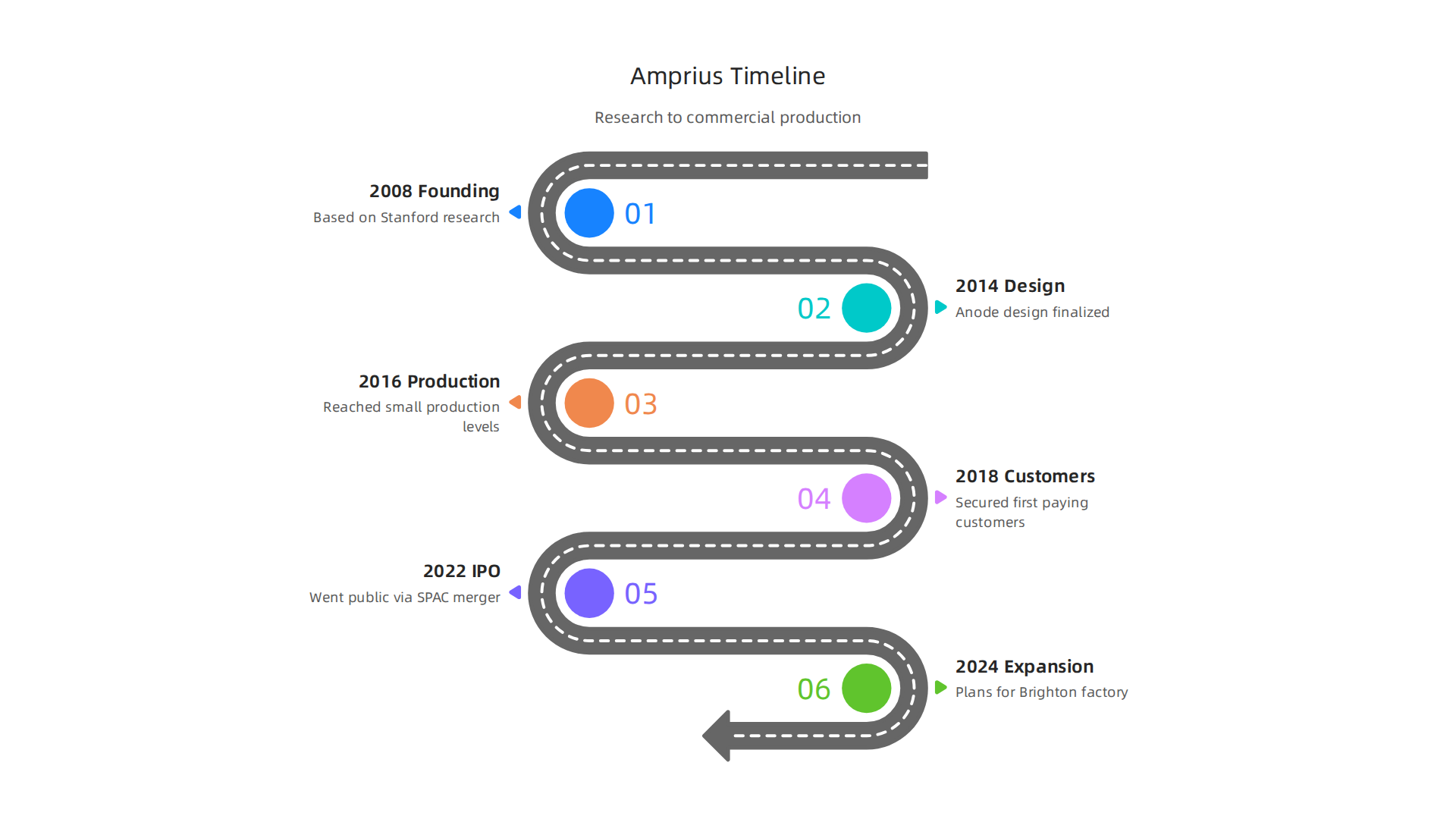
By 2018, Amprius secured its first paying customers. That is when things got real. The company started working with the U.S. military and aerospace leaders like Airbus. Its batteries could power high-altitude drones and other missions that needed extreme energy density without much weight.
Then came the big jump. In 2022, Amprius went public through a SPAC merger, giving it the cash to scale up. Its Fremont, California facility now produces cells at the MWh scale. In 2024, the company announced plans for a massive factory in Brighton, Colorado. As one industry analysis put it, the whole arc shows a shift from a "university-rooted battery innovation to an industrialization story," which you can read in the full Amprius Technologies strategy and business model breakdown.
This path matters for anyone watching the company. Amprius has moved from a lab concept to a publicly traded manufacturer with real partners, real products, and a real factory roadmap. That kind of track record is rare in the battery world. For context, other deep-tech companies like Aurora Innovation are also navigating their own tricky path from research to commercial scale. You can see how Aurora handles its journey in our article on autonomous vehicle regulations in 2026.
Amprius has also won awards along the way. In 2024, it was named CleanTech Breakthrough Battery Technology Company of the Year and made Fast Company’s Most Innovative Companies list. These honors back up what the numbers suggest. The company is not just promising. It is delivering.
Understanding Amprius’s Silicon Nanowire Battery Technology
So how does the technology actually work? If you have ever wondered why your phone battery dies faster over time, you already understand part of the problem. Standard batteries use graphite anodes that slowly lose capacity with every charge cycle.
But amprius technologies took a different path. Instead of graphite, they use silicon nanowire anodes. These tiny wires look like microscopic strands of hair. And they change everything about how a battery performs.
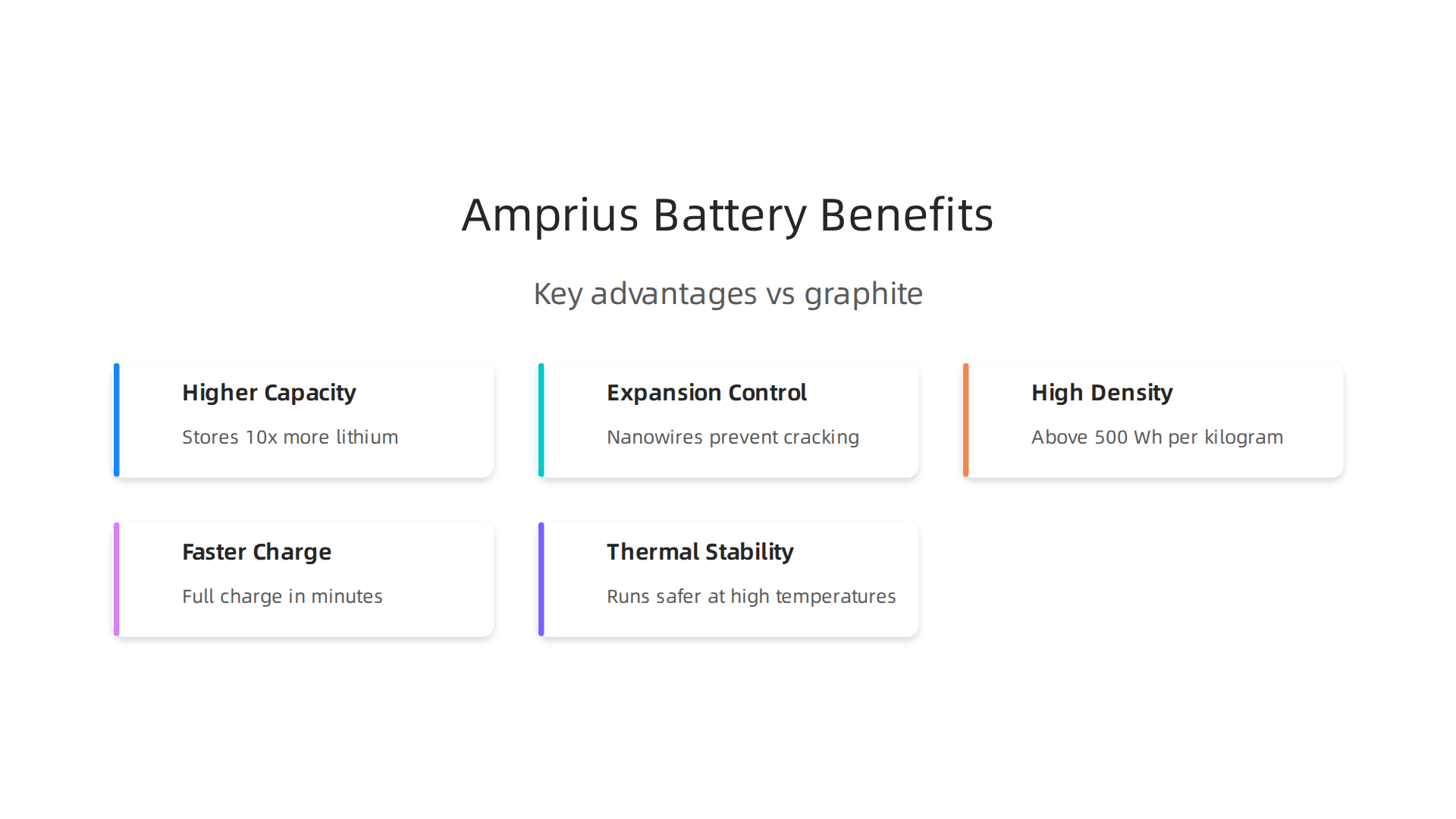
Here is the basic science. Silicon can hold about ten times more lithium ions than graphite. In numbers, silicon offers a theoretical capacity of roughly 3,600 mAh per gram compared to just 372 mAh for graphite. That is a massive jump. The catch? Pure silicon swells up to 300 percent when it absorbs lithium during charging. That swelling cracks the material and kills the battery fast.
The Amprius solution is elegant. By forming silicon into nanowires, the material has room to expand without breaking. Each nanowire is just a few nanometers wide. When the battery charges, the wires swell lengthwise instead of cracking apart. This design keeps the battery stable over hundreds of cycles.
The results are impressive. Amprius cells reach energy densities above 500 Wh per kilogram. That is roughly double what standard lithium-ion batteries offer. You can read more about how silicon nanowires solve the expansion problem in this review on silicon nanowire-based anodes.
But energy density is not the only benefit. These batteries also charge much faster than conventional ones. Silicon accepts lithium ions quickly, so a full charge can happen in minutes rather than hours. And because the nanowire structure is thermally stable, the battery runs safer at high temperatures.
For investors and compliance teams, these technical details matter. When you evaluate a company like Amprius, you need to understand whether its product claims hold up under scrutiny. The company’s patent filings and third-party tests back up the performance numbers. A good place to start is the silicon anode battery patent landscape 2026 analysis, which shows how Amprius compares to competitors like Sila Nanotechnologies and Group14 Technologies.
If you are tracking tech regulation, here is the key insight. Silicon anode batteries are classified differently for shipping, safety, and export purposes than standard lithium-ion packs. Compliance teams need to know these distinctions. Our guide on classified technologies in 2026 walks through exactly how new battery chemistries affect export control rules.
In simple terms, Amprius has built a battery that stores more energy, charges faster, and stays safer than what came before.
That combination is rare. And it is why the company is drawing attention from aerospace, military, and consumer electronics buyers.
Want to stay ahead of these technology shifts? Try The AI Newsletter Worth Reading for daily updates on tech breakthroughs and the regulations that follow them.
Regulatory Landscape for Advanced Battery Technologies
Getting the technology right is only half the battle for amprius technologies. The other half is navigating a maze of regulations that control where and how you can sell your batteries. Missing a single rule can block market access, delay shipments, or trigger fines.
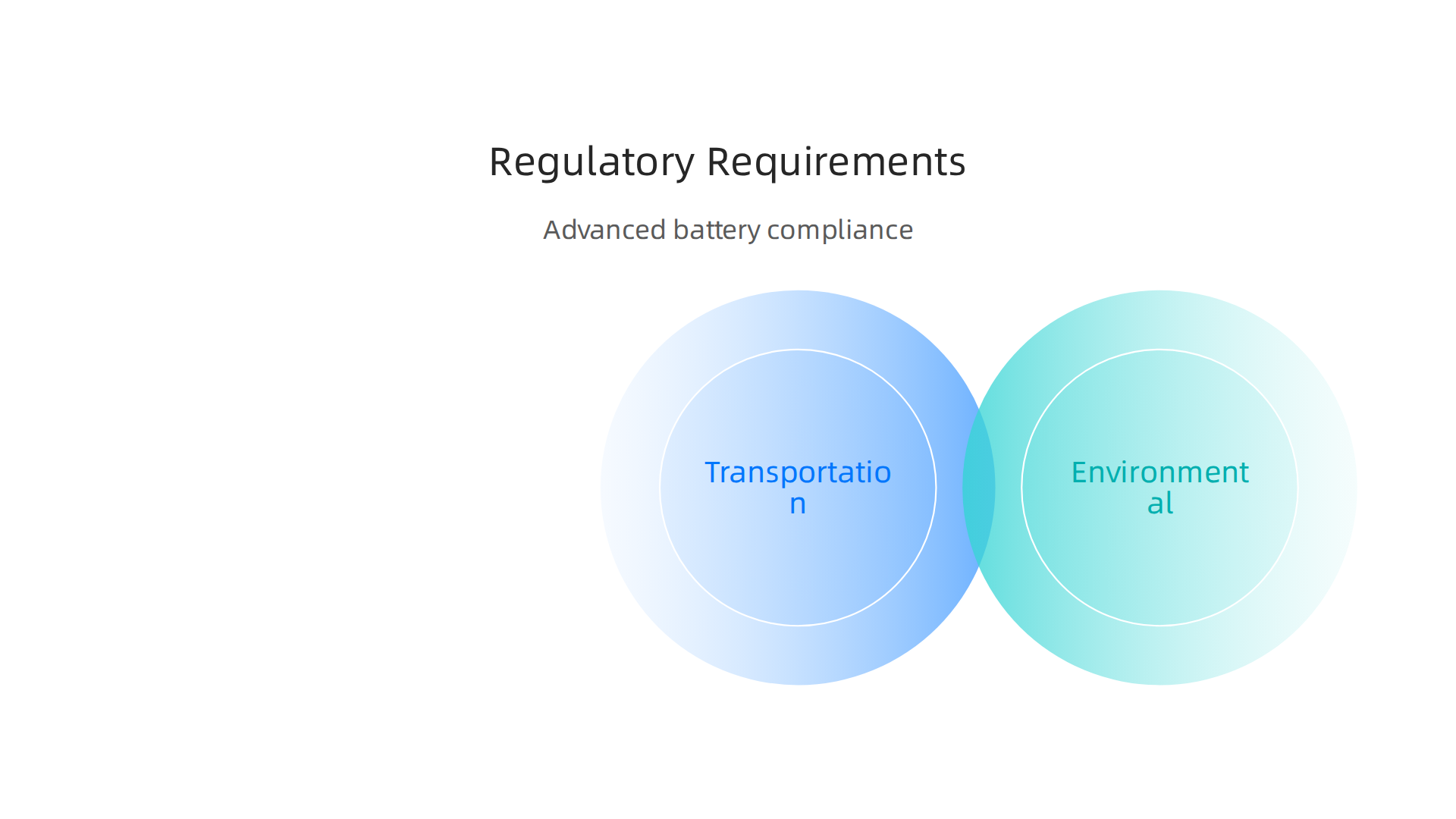
The most basic requirement is transportation safety. Every lithium battery shipped by air, sea, or ground must pass a set of tests called UN38.3. This standard was created by the United Nations to make sure batteries do not catch fire or leak during transit. The tests cover things like altitude changes, vibration, shock, and short circuits. Without passing UN38.3, you cannot legally ship batteries to most countries. For a full breakdown of what these tests require, check out this complete guide to lithium battery certifications.
Beyond transport rules, battery makers face environmental regulations. The European Union’s new Battery Regulation took full effect in 2026. It requires companies to track their battery’s carbon footprint, use recycled materials, and follow strict due diligence rules on their supply chains. For a company like Amprius, this means proving where every raw material comes from and how much energy the battery uses to produce. These rules apply to any battery sold in the EU, no matter where it is made.
Then there are trade controls. Because silicon nanowire batteries can power drones, satellites, and military gear, they may fall under export control laws like ITAR and EAR in the United States. Getting these classifications wrong can lead to serious legal trouble. The basics of navigating these rules are covered in our guide on the definition of technology is the key to business compliance, which explains how new technologies get classified for export purposes.
For investors and compliance teams, the takeaway is clear. Amprius needs to clear UN38.3 testing, meet the EU Battery Regulation’s sustainability requirements, and handle ITAR/EAR classification.
Each of these steps takes time and money. But passing them also proves the technology is safe, responsible, and ready for global markets.
Amprius in the Market: Competitors and Market Position
Battery technology is a crowded field. Amprius is not the only company chasing the next breakthrough. It competes with a mix of startups, well-funded private firms, and global giants. The main question is whether its silicon nanowire platform can carve out a lasting advantage.
Amprius’s most direct rivals are other next-generation battery companies. On the solid-state side you have QuantumScape and Solid Power. These companies are betting on different chemistries to boost energy density. On the silicon anode side, Sila Nanotechnologies and Group14 are already making commercial inroads. Enovix also uses a silicon anode approach. For a detailed look at the field, you can check out a list of Amprius Technologies alternatives and competitors on CB Insights. Each of these players is targeting similar high-value applications such as aerospace, defense, and premium electric vehicles.
But Amprius has a unique angle. Its silicon nanowire anode is not a coating or a blend. It is a pure silicon structure that delivers up to twice the energy density of conventional graphite cells. That makes it especially attractive for applications where weight and space are critical. The company’s 2025 results show this focus is working: revenue grew to $73 million, up 202% from the previous year, and its customer base expanded to over 550 clients. The Amprius Technologies fourth quarter and fiscal year 2025 earnings report breaks down these numbers in detail.
Still, Amprius is a much smaller player compared to the giants. LG Energy Solution and CATL operate at a scale that is orders of magnitude larger. They have established supply chains, massive R&D budgets, and strong relationships with automotive OEMs. Amprius cannot outspend them. Instead, it must out-innovate them and move fast before those giants develop their own silicon anode solutions.
The competitive landscape also includes companies like Neros Technologies, Zone 5 Technologies, Bates Tech, and Grin Technologies, each pursuing different battery chemistries for similar end markets. While these names are less known, they add to the pressure on Amprius to keep improving its technology and scaling production.
Regulatory exposure also plays a role in competition. The same export controls and environmental rules that apply to Amprius also affect its competitors. Companies that fail to meet compliance standards risk losing market access. Understanding how Beta Technologies compliance in 2026 works offers a useful comparison for how advanced tech firms handle these challenges.
For investors, the takeaway is that Amprius holds a strong position in the high-performance niche but faces intense competition from both startups and incumbents.

Its success will depend on manufacturing scale, cost reduction, and winning large contracts.
If you want to stay ahead of regulatory changes that shape the competition for companies like Amprius, consider subscribing to The AI Newsletter Worth Reading for daily updates on tech regulation and compliance.
Regulatory Risks and Compliance Strategy for Amprius
Every battery company faces a web of regulations. For Amprius Technologies, the risks are real and growing. Chemical rules keep changing. Export controls on advanced materials can block sales. And product liability lawsuits are always a threat. A small compliance mistake can cost millions.
Amprius takes a proactive approach. It works closely with regulators and invests in certifications from day one. One of the most critical certifications for any lithium battery maker is UN38.3. This United Nations standard proves a battery can survive the stress of air, sea, and ground transport without catching fire or leaking. Without it, shipping batteries across borders is illegal in most countries. You can see the full list of tests in this complete guide to lithium battery certifications.
Getting that certification is not a one-time thing. Every new cell design must pass eight tough tests. These include altitude simulation, thermal cycling, vibration, shock, and forced discharge. Amprius has likely already run these tests on its silicon nanowire cells. That is a big advantage when trying to win contracts with aerospace and defense customers who demand proof of safety.
Export controls are another big compliance area. Amprius Technologies sells high-energy batteries to military and space clients. That means it must follow strict rules on who can buy its products and where those products can travel. The company partners with legal teams and government agencies to stay ahead of those rules. If you work in compliance, you can learn how other advanced tech firms handle the same challenge in this overview of classified technologies and export controls.
Amprius also tracks environmental rules like RoHS and REACH, which limit hazardous substances in electronics. The company builds these requirements into its design process rather than fixing problems after a product launches. That saves time and money.
For compliance teams, the takeaway is clear. Amprius treats regulation as a product feature, not a burden. By investing in early certifications and strong partnerships with regulators, it reduces risk and builds trust with customers. The strategy is working: revenue jumped 202% in 2025, and the customer base passed 550.
If you want to stay on top of changing regulations that affect companies like Amprius, check out the AI predictions 2026 for tech hubs and compliance for a forward look at the compliance landscape.
Future Outlook: Innovation and Regulatory Trends to Watch
The battery industry is moving fast. For Amprius Technologies, the next few years will bring big opportunities and new regulatory challenges. Let us look at what is coming next.
Two forces will shape the market. First is the EU Battery Regulation. This new law requires battery makers to track their carbon footprint from mining to recycling. It also sets rules for recycled content and labeling. Any company shipping batteries to Europe must follow these rules. Second is the U.S. Department of Energy push for domestic manufacturing. The DOE is funding factories and research to build a secure supply chain at home. Both trends favor Amprius because it already focuses on high-performance, U.S.-based production.
Amprius has a clear roadmap for growth. In 2025, the company grew revenue to $73.0 million and added over 550 customers. The next step is scaling production and entering markets like electric aviation. Light, powerful batteries are exactly what electric planes need. Amprius is also working with the Defense Innovation Unit on drone batteries. Its silicon nanowire technology gives it an edge. You can read more about the company’s 2025 progress in this summary of Amprius Technologies Reports Fourth Quarter and Fiscal Year 2025 Financial Results. But scaling is hard work. The company must prove it can make millions of cells reliably, not just thousands.
What this means for you. For compliance teams and business leaders, the lesson is simple. Do not wait for new rules to take effect. Start planning now. The EU Battery Regulation will phase in over several years, but early preparation saves money and stress. The same goes for domestic manufacturing incentives. Companies that invest early will have a head start. If you want to learn more about scaling production while staying compliant, our guide on moving from pilot to scale covers exactly that.
Keeping up with regulatory trends is not easy. Rules change fast, and missing a deadline can cost millions. That is why staying informed matters. For daily updates on technology regulations and compliance strategies, get The AI Newsletter Worth Reading. It delivers clear, actionable insights straight to your inbox.
The Role of Policy in Battery Innovation
Policy does more than set rules. It also shapes how fast new battery technologies reach the market.
For companies like Amprius Technologies, understanding the policy landscape is just as important as building a better cell.
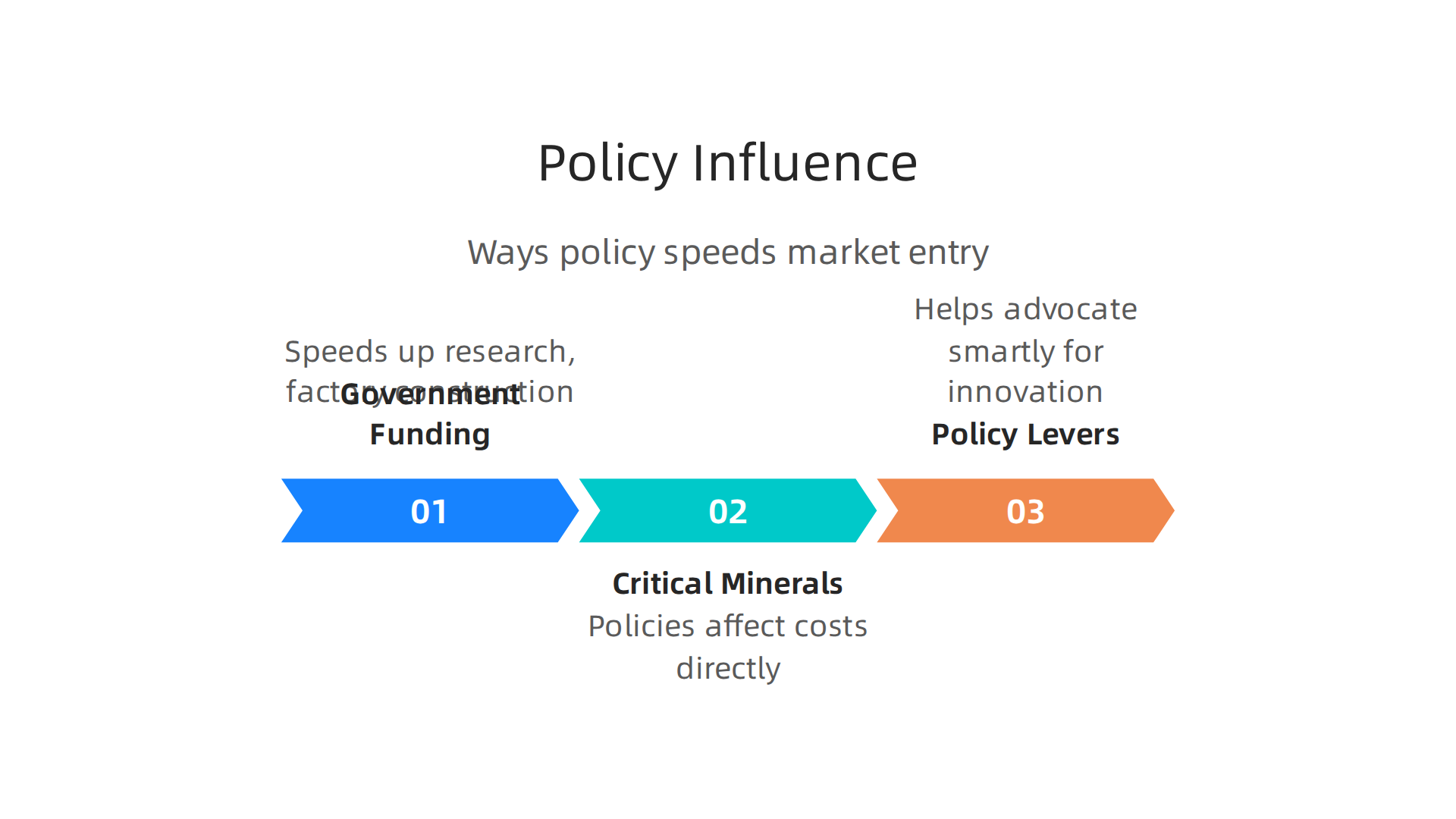
Government funding speeds up the hard work. The U.S. Department of Energy offers grants for battery research and factory construction. The Inflation Reduction Act adds tax credits for domestic manufacturing. These programs lower the financial risk of trying new materials like silicon nanowires. Without them, many breakthrough ideas would stay stuck in the lab. In fact, rising government initiatives and subsidies for next-generation battery research are a key driver of the entire silicon anode market, according to a report on the Silicon Anode Battery Market Size, Share and Trends 2026 to 2035.
Critical minerals policies affect costs directly. Lithium, nickel, and cobalt come from a handful of countries. New rules about sourcing, recycling, and supply chain security can raise material costs or cut them. The U.S. government wants to build a secure supply chain for battery materials. That means companies that use domestic or friendly-nation sources get an advantage. Amprius’s U.S.-based production aligns well with these goals.
Knowing the policy levers helps you advocate smartly. If you are an investor or an executive, you can push for rules that support innovation. For instance, arguing for stable funding for the DOE’s battery programs or for tax credits that reward U.S. manufacturing can create a friendlier environment for companies like Amprius. Understanding how policy works also helps you prepare for changes. To dive deeper into how rules about classified technologies and supply chains affect your business, check out this guide on export controls and compliance for critical technologies.
In short, policy is a tool. Used well, it helps good technology reach more people faster.
Investor Perspectives on Amprius
When Amprius Technologies went public through a SPAC merger in 2021, it marked the start of a new chapter. Since then, the company has shifted its focus from pure research to real-world commercialization and scaling production. For investors, this transition brings both promise and pressure.

The revenue story has become the headline. In early 2026, Amprius raised its full-year revenue guidance to at least $130 million, representing over 78% year-over-year growth. The company also projected a net loss below $8 million and its first quarter of positive adjusted EBITDA. These numbers show that the silicon anode technology is moving beyond the lab and into profitable territory. For a deeper look at the financial details, check out the official Amprius Technologies Q1 2026 press release.

What do analysts think? Wall Street has taken notice. According to the latest analyst ratings, AMPX carries a strong buy consensus with a median price target around $22, implying a potential upside of more than 35% from current levels. Some analysts point to the company’s expanding contracts with the Defense Innovation Unit and its growing foothold in the light electric vehicle market as key catalysts. You can review the full consensus in this AMPX stock price targets for 2026 overview.
But risks remain real. The company still depends heavily on the drone and aviation sectors, which are early-stage markets. Profitability is not guaranteed, and scaling production while managing costs is a delicate balancing act. As one analyst report notes, Amprius in 2026 is purely an execution play. The technology works. The question is whether the company can deliver at volume.
For venture and institutional investors, the key is watching two things: revenue growth and margin expansion. Early 2026 signals look positive, but the path to sustainable profitability will define the long-term value.
If you track tech investments and want to stay ahead of regulatory shifts that could impact companies like Amprius, get clear daily updates from The AI Newsletter Worth Reading.
Summary
This article profiles Amprius Technologies — a Stanford‑born company that commercialized silicon nanowire anodes to produce some of the highest energy‑density lithium cells available today. It traces Amprius’s path from lab discovery to public company and MWh‑scale manufacturing, explains the nanowire science that enables ~500 Wh/kg cells and faster charging, and compares the firm to rivals in the next‑gen battery field. The piece also walks through the regulatory landscape that now shapes battery commercialization — from UN38.3 transport tests to the EU Battery Regulation and U.S. export controls — and shows why compliance is as important as technology for market access. Readers will learn the technical benefits, key certifications and classifications to watch, the company’s competitive strengths and risks, and practical steps executives, investors, and compliance teams should take when evaluating advanced battery businesses.