

Why ‘Invisible Technologies’ Will Define the Next Wave of Regulation
In 2026, we are seeing more and more "invisible technologies" shape our world. These are systems that work behind the scenes, often without us even knowing they are there. Think about the smart tools that suggest what to buy online or the complex programs that help doctors make decisions. They are not always obvious, but they are very important. The goal of these invisible technologies is often to make things simpler for us, blending into our daily lives so smoothly that we only notice them when they stop working right Invisible but Understandable: In Search of the Sweet Spot between Technology Invisibility and Transparency in Smart Spaces and Beyond.
These technologies, especially those powered by advanced artificial intelligence (AI), are changing how businesses work and how we live. This quick shift is why regulators and businesses alike need to pay close attention. It is not just about how is technology changing the world today, but about how these hidden changes create new challenges for making fair rules.
The biggest problem with these systems is often their "opacity," meaning they are like a black box.

It is hard to see how they make decisions. This is especially true for advanced AI models that use deep learning, often called "unfiltered AI" because their internal workings are so complex. An opaque AI system is one whose decision-making process is not easy for humans to understand or explain Opaque Science Definition for Artificial Intelligence – BytePlus. This lack of transparency makes it tough to know if the technology is being fair or if it might cause harm. Keeping track of how these systems work is vital, especially when looking at blackbox AI transparency navigating 2026 regulations and trust.
On top of being hard to understand, these technologies also create problems because different countries have different rules. What is allowed in one place might be against the law in another. This "cross-jurisdictional complexity" makes it hard for businesses that work all over the world. Also, technology moves incredibly fast. Laws and rules often cannot keep up with the quick pace of new inventions, making regulations outdated almost as soon as they are written.
For businesses and regulators, figuring out how to manage these invisible technologies is a top priority in 2026. Without clear rules, there is a risk of unfairness, privacy issues, and even harm. That is why the next wave of regulation will focus on bringing these hidden systems into the light, helping everyone understand and trust them better. To stay informed about these crucial developments, you will want to read The AI Newsletter Worth Reading. We help you AI regulation 2026 navigate compliance and avoid risks.
What counts as an ‘invisible technology’ today
Let us look closer at what really makes up these "invisible technologies" that are shaping our world in 2026. These are not just advanced gadgets, but systems that are woven into the fabric of daily life. They often work so smoothly you barely notice them.
Here are some main types:
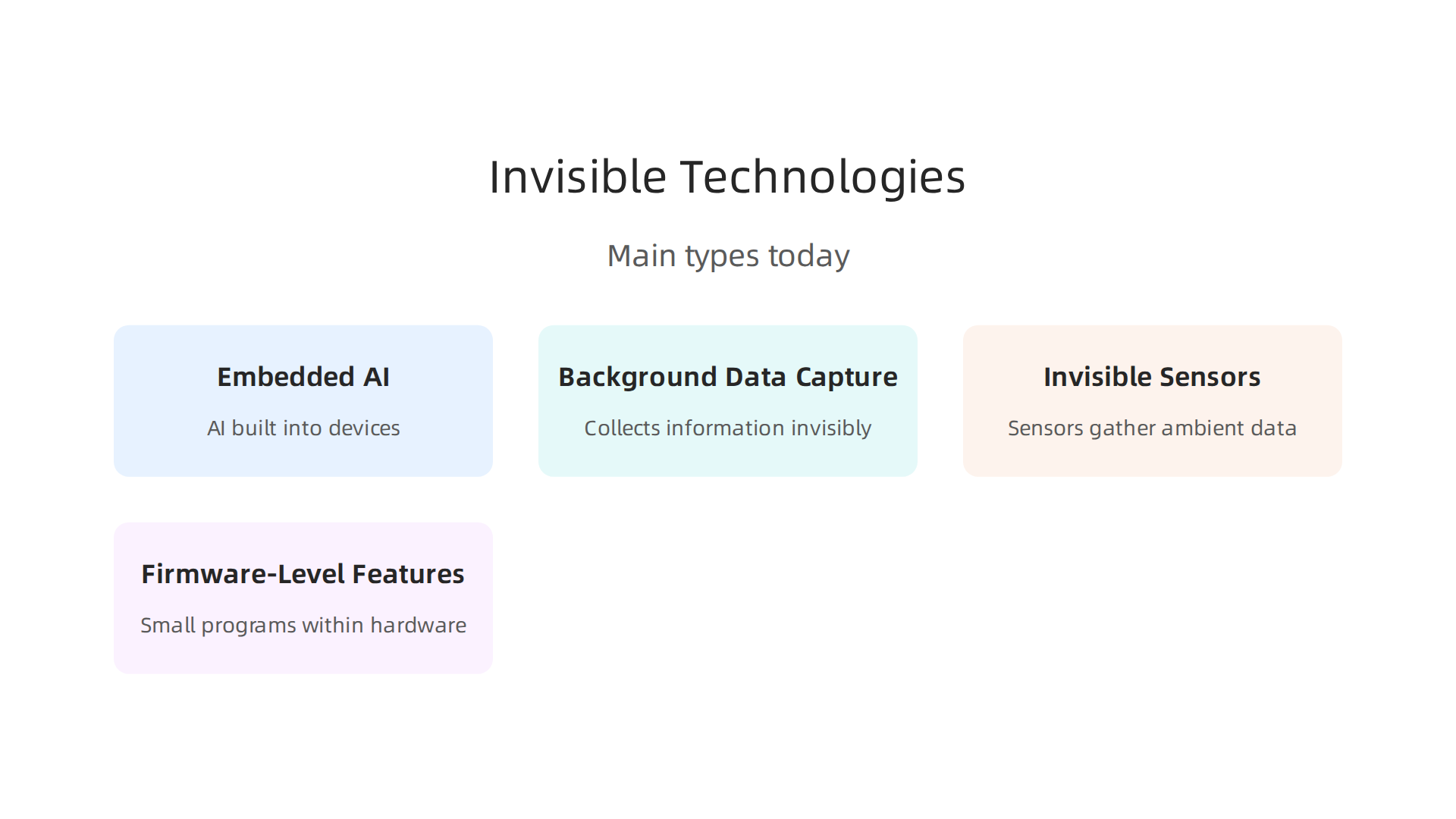
- Embedded AI: This is when artificial intelligence (AI) is built right into devices or software you use every day. Think about your smart home devices that learn your habits or your phone that suggests words as you type. The AI works behind the scenes to make things easier, making it a key example of how is technology changing the world today. It is part of the system and not something you directly interact with as a separate program.
- Background Data Capture: Many systems collect information about us without us seeing it happen. This data helps services get better or helps businesses understand what people want. For instance, when you browse online, systems are often collecting data about your clicks and what you look at. This kind of data collection is often invisible to the user.
- Invisible Sensors: These sensors are all around us, in buildings, cars, and public spaces. They gather information like temperature, movement, or air quality. You do not see them, but they are constantly working to control environments or help make cities smarter.
- Firmware-Level Features: This refers to small programs that are deeply built into hardware, like the tiny software that makes a computer chip work. These features are almost impossible for a regular user to see or change. They often manage basic functions, but they can also include hidden security features or data processing tools.
What makes these technologies truly "invisible" is how they are built. They often have certain architectural features that keep them hidden from users and even from people who audit them.
Architectural Features of Invisible Technologies
One big feature is opacity. This means the system is like a "black box" where it is hard to see how it makes its decisions. Especially with advanced AI models, often called "unfiltered AI," their internal workings are so complex that understanding them fully is very difficult. This lack of clear understanding is a core reason why they remain invisible to many AI Act Transparency Obligations: What the End of "Invisible AI" Means for Organisations. For businesses, making sure these complex AI systems are understandable is a big part of compliance in 2026. You can learn more about how to make an AI compliant with global regulations in 2026 by checking out our related resources.
Another feature is distributed components. This means that different parts of the technology might be spread out across many computers or even different locations. Because no single place holds all the pieces, it is harder to see the whole picture of how the system works. This can make it tricky to track how data flows or how decisions are made. The way these technologies are designed, with their hidden parts and hard-to-understand processes, shows why regulators are working hard to bring more transparency to these systems in 2026. If you’re running a business that uses embedded AI or other deep tech, understanding these hidden aspects is crucial for secure and compliant operations, as discussed in deep tech enterprise AI: the 2026 imperative for secure compliant operations.
The very features that make invisible technologies so powerful and seamless also bring big challenges for regulators.
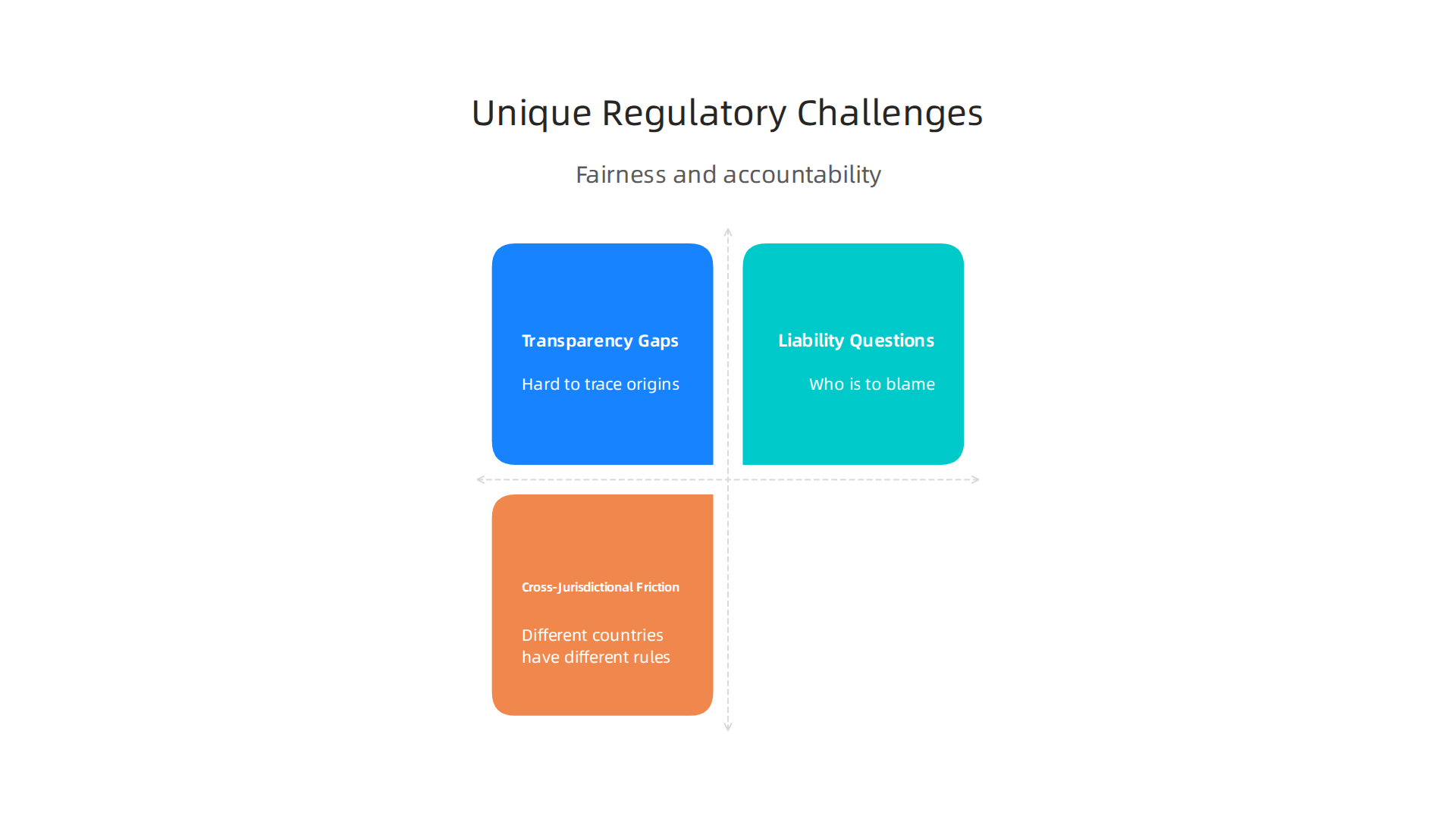
Because these systems are hard to see and understand, it creates problems around transparency, who is responsible for mistakes, and how to make sure they follow the rules.
Transparency and Auditability Gaps
One of the biggest headaches for regulators is the "black box" nature of many invisible technologies. When a system or an unfiltered AI makes a decision, it can be really hard to trace how it got there. For example, if an AI in your car decides to brake suddenly, how can you or an investigator understand why? This lack of clear steps makes it tough to audit the system, meaning to check its workings for fairness or errors.
In 2026, rules like the EU AI Act are trying to fix this. They demand more transparency for AI systems, especially those that could be risky. Starting in August 2026, new rules about AI system transparency are set to take effect, requiring certain AI-generated content to be clearly labeled and to include machine-readable marks to ensure clarity and accountability Safer and more transparent AI. This means companies using these invisible technologies must find ways to show how their systems work, even if the tech itself is hidden. Financial regulators are also paying close attention to auditability, especially as complex AI agents are used for important tasks, which can make tracing decisions very hard FINRA Publishes 2026 Regulatory Oversight Report to Empower. It is a big task for businesses to make sure their AI is explainable and trustworthy.
Liability Questions
When invisible technology goes wrong, who is to blame? This is called a liability gap. If an embedded AI in a medical device makes an error, is it the software maker, the device manufacturer, or the hospital that used it? With systems that have distributed parts, it becomes even more confusing. Pinpointing responsibility is hard when no single person or company has full control or understanding of every hidden component. This area of law is still growing and changing as how is technology changing the world today becomes more complex.
Cross-Jurisdictional Compliance Friction
Another big challenge is that different countries and regions have their own rules. What’s allowed in one place might not be in another.

For businesses that operate around the world, making sure their invisible technologies follow all these different rules is a huge task. The EU AI Act, for example, is a major set of laws taking effect in 2026. At the same time, individual US states like California are also bringing in their own AI transparency laws. This creates a mix of rules that companies have to untangle Converging AI Transparency Obligations in the EU and California.
The need for companies to follow these varied rules is more urgent than ever. Leaders in technology regulation are working to help businesses understand these changes. For instance, the AI Governance Alliance is trying to create ways for different countries to work together on AI rules, making it easier for businesses to comply across borders AI Governance Alliance: What the WEF Working Groups Have. Navigating all these global rules is a critical part of doing business with invisible technologies today.
Keeping up with all the rapid changes in tech regulation can feel like a full-time job. For clear, daily insights into AI rules and compliance, there is a simple solution.
Get clear daily AI updates from The AI Newsletter Worth Reading.
Staying on top of these fast-moving rules is key for businesses today. Regulators are not just watching; they are acting. In 2026, we see strong trends in how governments are making sure companies follow the rules, especially when it comes to invisible technologies.
Current enforcement trends and where regulators are focusing now
Regulators are looking closely at several key areas to make sure that invisible technologies are used safely and fairly. One main focus is on cybersecurity, especially with how AI and other hidden systems might increase risks. Government agencies are making new rules to tie business deals to how well companies protect their digital systems. For example, the US Department of Defense has put out rules requiring companies to show they have strong cybersecurity practices to win contracts Cybersecurity & Privacy 2026: Enforcement & Regulatory Trends. This push for better cybersecurity is a big theme across the United States.
Another major area of focus is privacy and data handling. Rules around data privacy, like Europe’s GDPR, continue to lead to significant fines. Companies are seeing a rise in notifications about data breaches, which shows how much attention is being paid to how sensitive information is managed GDPR Fines Hit €7.1 Billion: Data Privacy Enforcement Trends in 2026. This trend highlights the need for companies using invisible technologies to be very clear about how they collect, use, and protect people’s data. Regulators are also looking into how AI handles sensitive data, linking it to wider privacy and AI safety concerns From Privacy Impact Assessments to Algorithmic Accountability.
Tools regulators use to make things clearer
To deal with the "black box" problem of invisible technologies, regulators are using different tools.
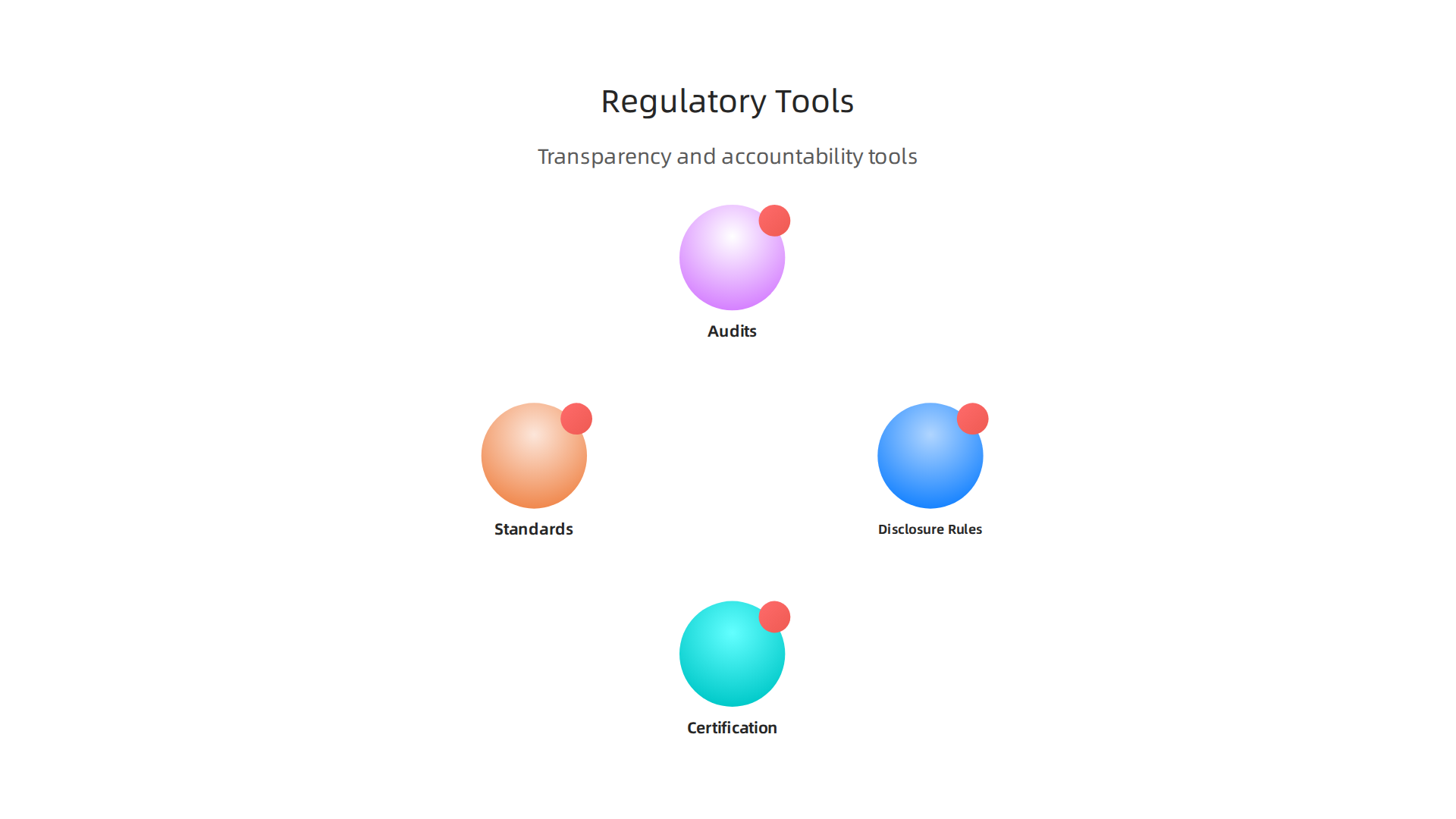
- Disclosure Rules: These rules make companies tell more about how their systems work. For example, for some AI systems, companies must provide clear labels for AI-generated content. The EU AI Act, which fully kicks in for many parts in 2026, requires companies to keep an inventory of their AI systems, especially high-risk ones. Not having this inventory can lead to big fines Shadow AI Apps: The Enterprise Attack Surface That ….
- Certification: This means a third party checks and confirms that a technology meets certain safety or performance standards. It’s like getting a stamp of approval that shows a product or system is trustworthy.
- Standards: These are agreed-upon ways of doing things that help make sure different technologies can work together and meet basic safety or quality levels. Many countries are working on common standards for AI to help guide its safe use.
- Audits: This involves regular checks of a system to make sure it is working as expected and following all the rules. For systems that use complex AI, these audits are very important to make sure decisions are fair and transparent. Financial regulators, for example, are keen on auditability as AI agents take on more important roles 2026 annual regulatory oversight report.
These tools help shed light on complex invisible technologies and make sure they operate in ways that are safe, fair, and accountable. Learning how to build robust AI design test and monitor compliant AI systems in 2026 is now essential for businesses. Overall, regulators are increasingly using a "regulatory horizon scanning" approach, which means they are actively looking ahead to spot new technologies and potential risks before they become big problems Regulatory Horizon Scanning 2026 | FinregE Expert Guide. This helps them prepare and create new rules for things like augmented reality news and other emerging uses of AI.
As regulators use "regulatory horizon scanning" to look ahead, what new rules can we expect for invisible technologies by 2028?

It’s clear that the way technology is changing the world today means new rules are always needed. We’re looking at more transparency, product safety-like checks, and special rules for different kinds of businesses.
More Transparency for Invisible Technologies
One big change we can expect is more rules about transparency. This means companies will need to show more clearly how their invisible technologies work, especially AI. The idea is to make sure these systems aren’t "black boxes" where no one can understand their decisions. For example, by December 2026, some transparency rules for AI-generated content will already be in full effect, with broader obligations for high-risk AI systems coming in late 2027 or 2028 for those embedded in products Tech Policy Unit Horizon Scanner – June 2026. This push will help people understand if they are seeing unfiltered AI content or something made by a human.
This focus on transparency is part of a larger trend where regulators want to ensure trust and accountability. Businesses using AI are already dealing with rules about managing their systems and how they handle data AI Compliance Checklist: 12 Steps for 2026. Future rules might even include how companies keep track of every decision an AI makes, especially in important fields like finance AI Audit Trail Requirements: A 2026 Checklist for Finance … – Kognitos.
Treating Invisible Tech Like Products
Regulators are also looking at how to treat invisible technologies like other products we buy and use. Just like a toy needs to be safe, so too might an AI system or other hidden tech. This means we could see rules that focus on the safety of these technologies before they are even sold. The Office for Product Safety and Standards is already using horizon scanning to look at future changes driven by technology Office for Product Safety and Standards Horizon Scan 1.0. They want to spot risks and chances from new tech before they become big issues. This means companies will need to think about safety from the very start of making an invisible technology product.
Special Rules for Specific Industries
It’s also likely that different industries will get their own special rules for invisible technologies. What works for a healthcare AI might not work for an AI used in banking. So, regulators are already looking at how AI tools are changing things in specific areas like finance. The UK Financial Conduct Authority, for example, published an Emerging Technology Horizon Scan in 2026, looking at how AI agents and programmable finance could affect consumers and markets through 2030 Emerging Technology Horizon Scan 2026 | FCA. This shows how important it is to have rules that fit the unique needs and risks of each sector.
If you’re a professional navigating these complex changes, staying updated is crucial. You can get clear daily AI updates to help you with these regulations. Subscribe to The AI Newsletter Worth Reading.
Soft Law Before Hard Law
Before governments write strict laws (what we call "hard law"), we’ll likely see more "soft law." This means groups, industries, and international bodies will create guidelines, best practices, and standards. These soft rules help set a common understanding and expectation for how invisible technologies should be used. The United Nations, for instance, is actively engaged in horizon scanning to address accountability and transparency challenges as data-driven systems and AI become more central across various sectors Horizon Scanning 2026 | Secretary-General’s Scientific Advisory …. This helps shape the future of regulation by showing what seems fair and safe before official laws are put into place. Businesses will need to understand these guidelines, even if they aren’t legally binding yet, to stay ahead. To understand the foundational aspects of AI that drive these discussions, exploring artificial intelligence basics a non technical introduction for leaders can be very helpful.
Learning to understand and apply these future rules will be key for any business working with advanced technologies. It’s about being prepared, not just reacting to new laws after they happen. For businesses, this proactive approach to compliance is very important, especially when dealing with advanced systems. Businesses can learn how to integrate regulatory compliance into your corporate AI strategy to be better prepared.
As new rules for invisible technologies become clearer, businesses need a practical plan to stay compliant. This means more than just knowing about the rules. It means taking real steps to make sure your products and services follow them, right from the start. For product and legal teams, building a strong "compliance playbook" for 2026 is a must.
Practical compliance playbook for product and legal teams
To get ready for future rules, teams need to take actionable steps. This is true for all kinds of invisible technologies, from AI tools to hidden software. Here are key areas to focus on:
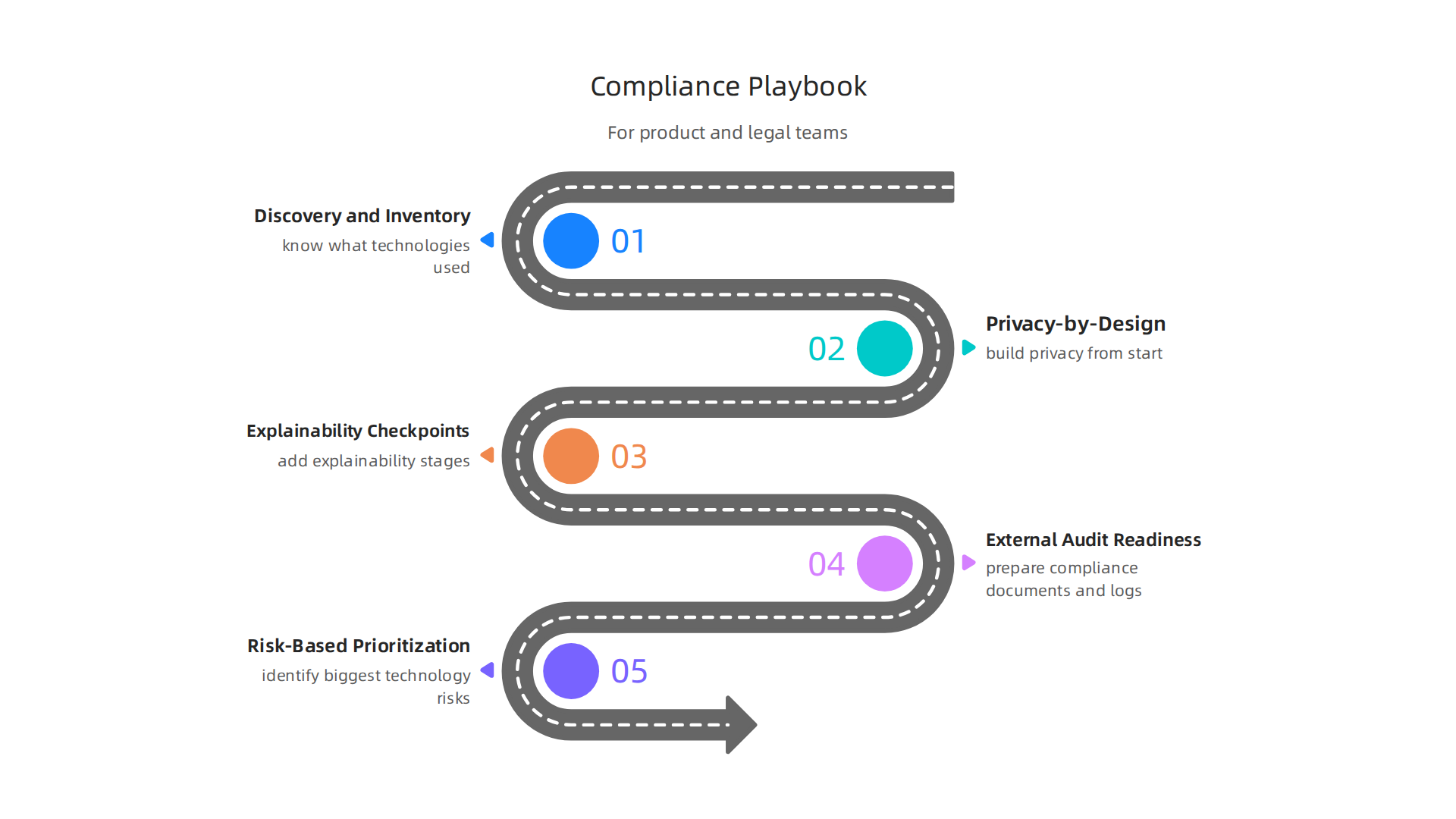
1. Discovery and Inventory
First, you need to know exactly what invisible technologies your company is using. This means making a list of all your AI systems, data-driven tools, and anything else that might fall under new regulations. You can’t manage what you don’t know about. Keeping a current record of your data and AI is a key part of staying compliant with privacy rules in 2026 2026 Data Security and Privacy Compliance Checklist. This step helps you see where potential risks are and where you need to focus your efforts.
2. Privacy-by-Design
This idea means building privacy protections into your products and services from the very beginning. Instead of adding privacy features as an afterthought, you plan for them during the design stage. This helps ensure that invisible technologies handle personal information safely and correctly. For example, new privacy rules in 2026 are changing how companies handle biometrics and AI, requiring new ways of thinking about strategy ID tech privacy regulations in 2026 force new compliance strategies for biometrics and AI.
3. Explainability Checkpoints
As we talked about, regulators want more transparency for invisible technologies. This means companies need to be able to explain how their AI and other smart systems make decisions. Product teams should build in "explainability checkpoints" at different stages of development. This helps make sure that the system’s logic is clear and understandable, especially if it produces unfiltered AI content. This transparency builds trust and helps meet rules about showing how AI works to your customers and stakeholders. You can learn more about this by reading about explainable AI for 2026 compliance and executive trust.
4. External Audit Readiness
Being ready for an outside audit is very important. This means having all your compliance documents, logs, and processes in order. Auditors will check if your invisible technologies follow all the rules, from data security to how decisions are made. Having an "IT audit checklist" can help you prepare by showing what auditors actually look for IT Audit Checklist: Complete 2026 Framework + Template – IT Portal. This includes having clear policies, strong security controls, and ways to show what your systems are doing.
Risk-Based Prioritization for Small Teams
For smaller teams or companies with limited resources, it’s not possible to do everything at once. This is where "risk-based prioritization" comes in. You need to identify the biggest risks that your invisible technologies pose. What could cause the most harm to users, or lead to the biggest fines from regulators? Focus your efforts on these high-risk areas first. Using a risk-based approach helps you manage compliance effectively, making the most of your time and money Translating a risk-based due diligence approach into law. It’s about being smart and strategic with your compliance efforts in a world where technology is changing fast.
Being smart and strategic about compliance is crucial, especially as new rules continue to shape how we interact with technology. The growth of invisible technologies isn’t just a concern for product and legal teams; it changes big picture thinking for entire businesses and affects investment choices. In 2026, understanding these rules isn’t just about avoiding fines. It’s about seeing how the future of technology is changing the world today and planning for it.
Strategic implications for business and investment decisions
New rules around invisible technologies can truly shake up how businesses make their biggest decisions. This includes everything from what products a company chooses to build, to how investors decide where to put their money. Let’s look at how this plays out.
Product Roadmaps Are Changing
When new regulations come in, companies can’t just keep making products the same old way. For example, if a new rule says AI systems must be easily understood, product teams need to change their plans. They have to build "explainability" right into their AI tools from the start, not just add it later. This means product roadmaps, which show what a company plans to build, must now include steps for compliance. Teams need to plan for these changes to build robust AI design, test, and monitor compliant AI systems in 2026. This careful planning helps make sure products like those using augmented reality are ready for the market without problems. If a system creates unfiltered AI content, knowing how it works and making sure it follows rules becomes even more important for a product’s success.
M&A Due Diligence Takes on New Layers
When one company wants to buy another, or merge with it, they do something called "due diligence." This is like a deep check to make sure everything is okay. Now, this check has to include how the target company uses invisible technologies. Buyers need to know if the company they’re looking at has any hidden compliance problems with its AI or data tools. A lack of proper compliance can mean big legal trouble or huge fines after the deal is done. So, looking into a company’s regulatory health is now a vital part of the checking process, as detailed in guides to due diligence requirements.
Investor Risk Models Are Adapting
Investors are always looking for risks that could hurt their money. Today, the way companies use invisible technologies is a new big risk to watch. If a company doesn’t follow the rules for AI or data, it could face large penalties, lose customer trust, or even have its products banned. This can make the company less valuable and less attractive to investors. So, investment firms are now adding "regulatory risk" into their models when deciding whether to invest in tech companies. This is especially true for companies at the forefront of AI, where executive investor compliance strategy is crucial for emerging risks like AI singularity.
Scenarios for Market Impact
The new rules can also change the market itself. Some companies might get ahead because they are very good at following regulations, making their products more trusted. Others might fall behind if they can’t adapt quickly. We might see new types of businesses grow that specialize in helping others become compliant. The whole idea of how is technology changing the world today is being shaped by these rules. For instance, technologies that produce unfiltered AI content could face higher hurdles in certain markets, while those built with strong compliance features might thrive.
To stay competitive and grow, businesses must embed regulatory readiness into their core strategic planning. It means constantly watching for new tech regulations, updating your strategies, and making sure your team is ready for what’s next. Staying informed with news that helps align tech news to drive 2026 business strategy and compliance is a smart move.
Want to keep up with the latest in AI and tech regulation?
The AI Newsletter Worth Reading offers clear daily updates.
Summary
Invisible technologies—embedded AI, background data capture, sensors and firmware-level features—are increasingly shaping products and services in 2026 while remaining hard to see or understand. This article explains the architectural reasons for their invisibility (opacity, distributed components), the resulting transparency, auditability and liability gaps, and the cross-jurisdictional friction regulators face. It reviews current enforcement trends—cybersecurity, privacy and AI-specific rules—and outlines the tools regulators use, such as disclosure mandates, certifications, standards and audits. The piece then maps likely rule changes through 2028 (more transparency, product-like safety checks, and sector-specific rules) and gives a practical compliance playbook: discovery, privacy-by-design, explainability checkpoints and audit readiness, with risk-based tips for smaller teams. Finally, it covers strategic implications for product roadmaps, M&A due diligence and investor risk models so businesses can plan proactively for regulatory change.