
Introduction: The Regulatory Maze Demands a Smarter Approach
Keeping up with technology rules in 2026 feels impossible. New laws pop up almost every week. The United States debates federal AI frameworks while states push their own transparency rules and age-gating requirements. Europe enforces strict data privacy laws. Countries across Asia race to build sovereign AI strategies that keep data and models inside their borders.
It is a lot to track.
The global technology policy landscape is entering a pivotal year. As reported in Key Trends that Will Shape Tech Policy in 2026, the conversation has moved from whether to regulate AI to what a real federal framework should look like. States are not waiting. They are passing laws now. And enforcement is picking up speed.
For most teams, the old approach of manually monitoring new rules is breaking down.

There are too many sources. Too many jurisdictions. Too much fragmentation. A compliance team reading government websites, legal journals, and news feeds cannot keep up with the pace of change. One missed update can lead to fines, legal trouble, or lost market access.
This is where svr intelligence changes the game.
SVR intelligence brings a smarter, automated way to track regulation. Instead of hunting for updates across dozens of sites, you get a clear, accurate picture of what matters to your business. It turns the noise into something you can actually act on. Think of it as an ai warehouse for regulatory signals. It collects, organizes, and highlights the rules you need to know before they cause problems.
The old way of remaking ai compliance through manual effort alone no longer works. The volume is too high. The stakes are too big. What you need is a system that helps you spot changes early, predict where rules are heading, and stay ahead of the curve.
If you are responsible for compliance, strategy, or risk at your organization, staying informed every day matters more than ever. Get clear daily AI updates from The AI Newsletter Worth Reading so you never miss a critical regulatory shift again.

The Regulatory Tsunami: Why 2026 Is a Pivotal Year for Tech Compliance
It is not just that there are more rules now. The rules themselves are getting sharper. In 2026, the major regulatory frameworks that were proposed over the last few years are finally taking effect.
And they come with real consequences.
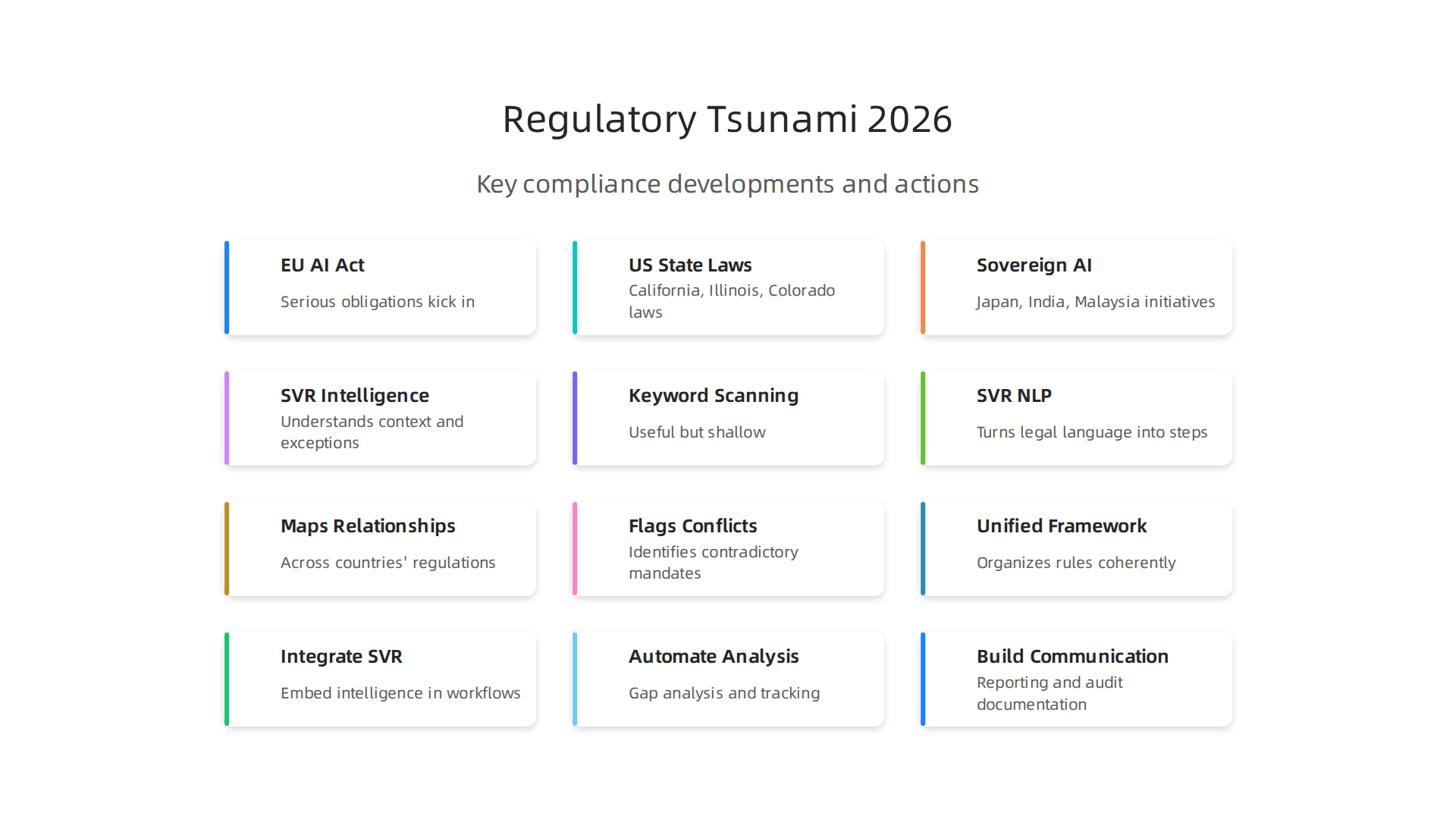
The EU AI Act began enforcement in phases starting in 2025, but 2026 is the year when the most serious obligations kick in. Companies that build or use high-risk AI systems must now meet strict transparency and documentation requirements. Fines can reach up to 7 percent of global annual revenue. That is not a small number for any business.
Across the United States, states are moving fast. California’s companion chatbot law took effect in 2025. Illinois now has employment decision protections. Colorado delayed parts of its AI law to mid-2026, but the rules are still coming. According to the Ecosystm analysis of key tech trends in 2026, regulatory mandates and geopolitical uncertainty are pushing governments worldwide to prioritize sovereignty in their AI strategies.
Sovereign AI is a big deal this year. Countries want to keep their data, models, and computing power inside their own borders. Japan, India, Malaysia, and Australia are all racing to build local data center capacity. That means if you operate across multiple countries, you are dealing with different rules in every market.
This is where svr intelligence becomes essential. The ai warehouse approach to compliance lets you track changes across jurisdictions without hiring a team of lawyers in every country. It handles the complexity so you do not have to.
The risk of getting it wrong is growing fast. Non-compliance does not just mean fines. It can mean losing access to entire markets. It can mean reputational damage that takes years to repair. And regulators are getting better at enforcing the rules.
For a deeper look at how sovereign AI strategies are reshaping global compliance requirements, check out these AI predictions for 2026 on tech hubs, safety, and sovereign AI.
Staying ahead of this wave is not optional anymore. It is the only way to keep your business safe in a world where the rules change every week.
What Is SVR Intelligence? Understanding the Core Technology Behind AI-Powered Regulatory Monitoring
You just read about the regulatory storm hitting businesses in 2026. The rules are piling up fast. Laws change by the week across different countries. How can any team keep up with all of it?
That is where SVR intelligence comes in. SVR stands for Support Vector Regression. It is a form of machine learning that does something regular tools cannot.
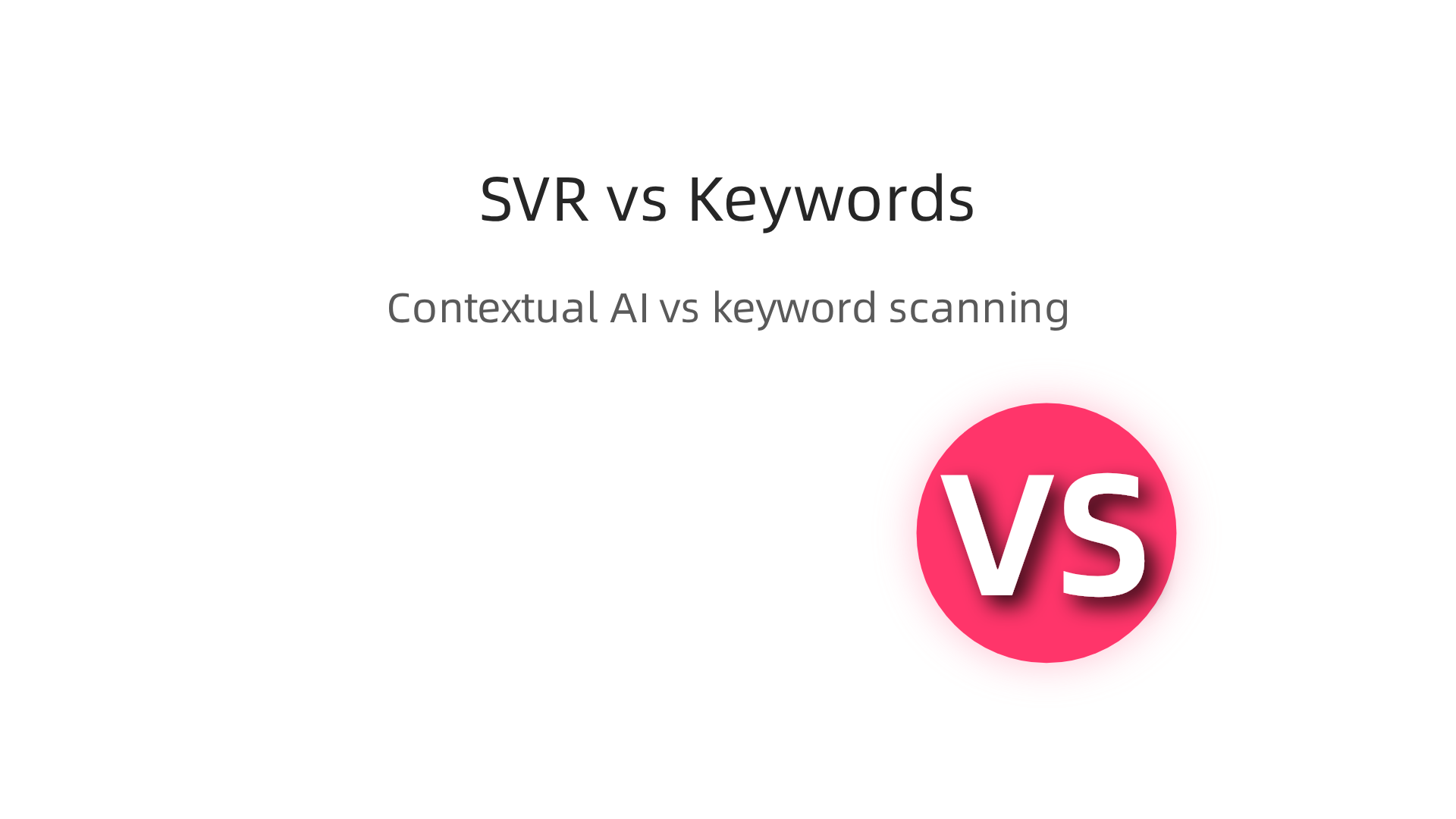
It actually understands regulatory text instead of just scanning for keywords.
Think of it this way. A simple search tool can find the word "privacy" in a document. That is useful but shallow. SVR intelligence goes deeper. It looks at the context around the word. It figures out whether a clause is a requirement, a recommendation, or an exception. It understands how one sentence connects to the next. For a deeper explanation of how this algorithm works, check out this overview of the Support Vector Regression (SVR) algorithm.
Here is what makes the difference. Rules are not written in simple lists. They are full of relationships. One paragraph limits something. Another paragraph creates an exception. A third paragraph defines when the exception applies. Keyword scanning misses all of that. SVR intelligence captures the whole picture.
The technology works hand in hand with natural language processing, or NLP. Together, they take messy legal language and turn it into structured, trackable compliance steps. Instead of your team reading hundreds of pages of regulations, the system reads them first. It pulls out the obligations that apply to your business.
This is the engine behind the ai warehouse approach you read about earlier. By combining SVR intelligence with NLP, the system can monitor changes across different countries and flag what matters to you. It saves your team thousands of hours.
For a closer look at how these machine learning techniques work in practice, check out this guide on AI and machine learning basics for business leaders.
Here is the bottom line. In 2026, you cannot rely on people alone to track every regulatory change. The volume is too high. The risks are too big. SVR intelligence gives you a way to manage the complexity without growing your legal team ten times over.
If you want to stay ahead of these fast-moving changes, getting daily updates on AI regulatory news can make a real difference. Consider subscribing to The AI Newsletter Worth Reading. It delivers clear, actionable insights straight to your inbox so you never miss a critical development.
How AI Tackles Information Overload in Regulatory Tracking
You now understand what SVR intelligence does. But the real challenge is the sheer size of the problem. In 2026, the regulatory landscape is enormous. Think about the numbers.
New rules and updates come out every day. Across the world, governments publish thousands of pages of regulations each month. This includes laws in English, Chinese, Spanish, German, Japanese, and many other languages. For a global business, that means tracking regulations in dozens of countries at once.
A single person cannot read all of that. Even a team of ten people would struggle to keep up. You would need to read every page, understand the legal language, figure out what applies to your industry, and then track changes when rules get updated. That is not realistic.
This is where AI steps in. The system uses AI driven aggregation to collect regulatory updates from hundreds of official sources automatically. It pulls in new laws, amendments, guidelines, and enforcement actions in real time. Instead of your team hunting for updates, the system brings the updates to you.
But collecting is not enough. The real power comes from prioritization. The system uses SVR intelligence to score each update for relevance to your business. It looks at your industry, your operations, and the specific rules you need to follow. Then it ranks updates by importance. A small change in a rule that does not affect you gets a low score. A major new requirement that impacts your supply chain gets a high score.
How does SVR do this? It learns from patterns. The algorithm analyzes past regulatory changes and your team’s responses to build a model of what matters. It gets better over time. Research shows that SVR methods can identify significant patterns across complex datasets with high accuracy. That is exactly what makes it so effective for regulatory tracking.
Once the system finds something important, it sends real-time alerts. You get a short summary of the change, what it means for your business, and what actions you might need to take. No more digging through full legal texts. No more waiting for weekly digests that are already outdated.
For a practical look at how compliance teams use these tools to stay ahead, check out this list of AI websites every compliance team needs in 2026. It highlights resources that can help you filter the noise and focus on what actually matters.
In short, AI with SVR intelligence does the heavy lifting. It turns a flood of information into a clear, manageable stream of action items. Your team can spend less time searching and more time making smart compliance decisions.
Navigating Multi-Jurisdictional Regulations with AI
Having a clear stream of regulatory updates is a good start. But here’s where it gets tricky. Your business probably operates in multiple regions. The EU has the GDPR. The US has a patchwork of state privacy laws. China has the PIPL. India has its own digital rules. And these rules often say different things about the same topic.
For example, one jurisdiction might require you to delete user data after two years. Another might say you must keep it for five years for auditing purposes. If you follow the first rule, you break the second. If you follow the second, you break the first. This is the reality of multi-jurisdictional compliance in 2026.
According to research on navigating multi-jurisdictional regulatory changes, companies need to develop a detailed understanding of requirements for each jurisdiction and create a consolidated deadline tracking system. But doing that manually is almost impossible when you are dealing with 10, 20, or 50 different regulatory regimes.
This is where SVR intelligence becomes truly powerful. The system does not just track individual rules.
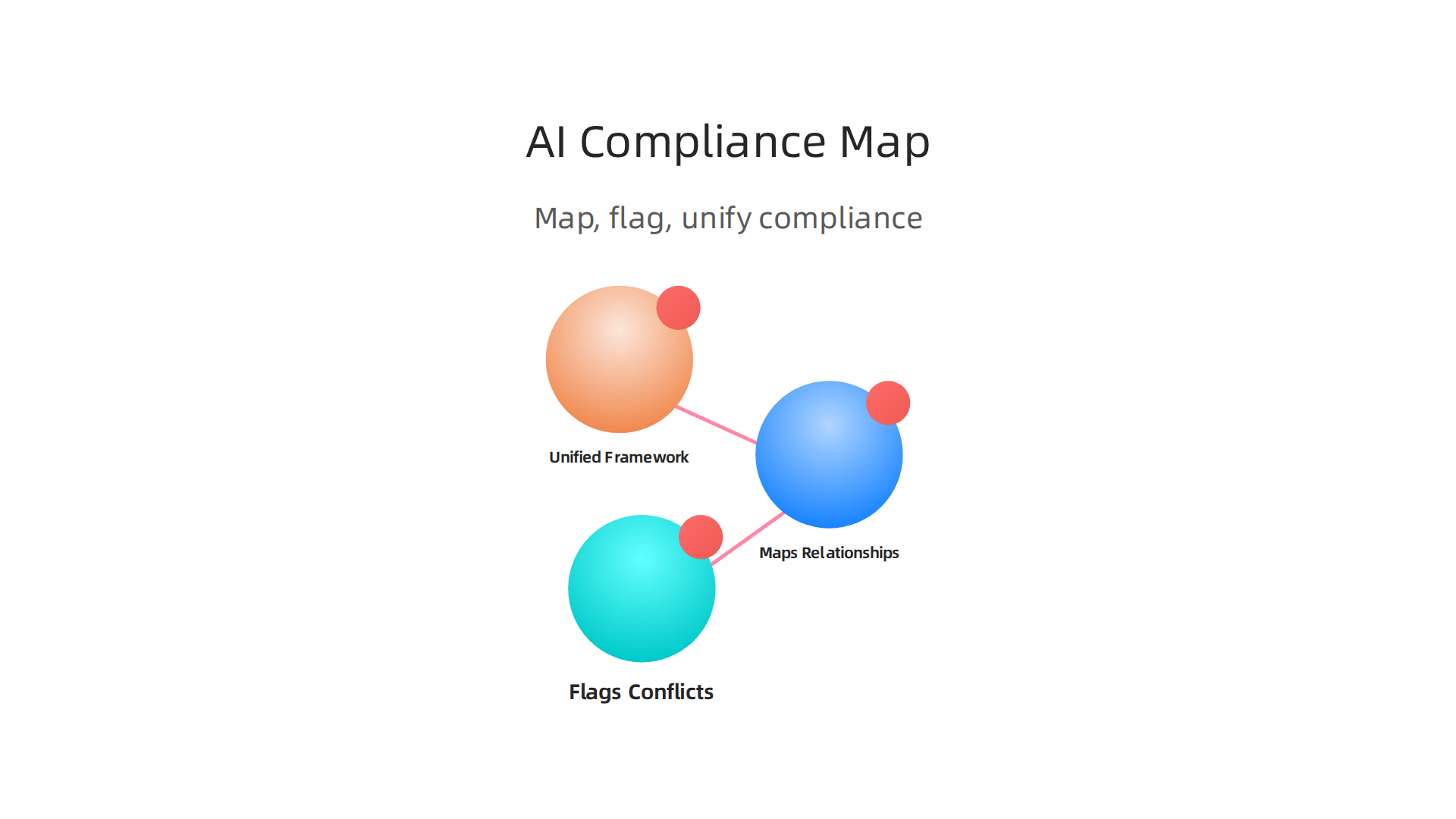
It maps the relationships between regulations across different jurisdictions. It looks for overlapping requirements, conflicting mandates, and gaps where no clear rule exists.
How does this work in practice? The algorithm cross-references the text of regulations from different countries. It identifies areas where the same topic is covered by multiple rules. Then it compares the specific requirements. If one rule says "must obtain explicit consent" and another says "opt-out is sufficient," the system flags that as a conflict. Your team gets an alert with both rules and a suggested path to compliance.
The system also builds a unified compliance framework for you. It takes all the rules that apply to your business across every jurisdiction and organizes them into a single coherent set of requirements. Instead of tracking ten separate compliance checklists, you have one master list that accounts for the highest standard from each overlapping area.
For a deeper look at how AI models are reshaping compliance strategies, check out this overview of AI regulations in 2026 for businesses. It covers how modern tools handle the complexity of multiple legal systems at once.
With SVR intelligence, you no longer have to guess which rule to follow when two laws conflict. The system provides clear guidance based on the strictest requirement, the riskiest exposure, or the jurisdiction with the most active enforcement. You can focus on making your operations compliant instead of trying to reconcile contradictory legal texts.
Staying ahead of all these changes requires reliable daily updates. That is why so many compliance professionals turn to a trusted source for clear, concise information. Get clear daily AI updates from The Deep View Newsletter to keep your finger on the pulse of global regulatory shifts without drowning in noise.
Predictive Regulatory Intelligence: Anticipating Future Compliance Shifts
Daily updates tell you what is happening now. But the real power of svr intelligence comes from knowing what will happen next. Think about it. If you could predict which regulations are coming, which enforcement priorities will shift, and which political changes will create new compliance risks, you would have a huge advantage.
That is exactly what predictive regulatory intelligence does. It uses historical data and machine learning models to forecast regulatory trends. The system looks at past patterns. It finds relationships between proposed bills, enforcement actions, and political climate changes. Then it estimates the probability that a specific regulation will pass, when it will take effect, and how strictly regulators will enforce it.
Here is how this works in practice. SVR intelligence models analyze years of regulatory data from multiple sources. They look at legislative activity, public comments, enforcement history, and even economic indicators. When a new bill is introduced in one jurisdiction, the model compares it to similar bills from the past. It checks how quickly those bills moved, which ones became law, and what changed during the process. The result is a probability score and a timeline estimate.
Your compliance team gets an early warning system. You see proposed regulations days or weeks before they hit the news. You know which ones are likely to pass and which ones will stall. You also see enforcement priorities shifting. If a regulator starts hiring more investigators in a specific area, the model flags that as a signal of upcoming enforcement spikes.
This gives you a strategic advantage. Instead of scrambling to comply after a law takes effect, you can make proactive adjustments.

You update your policies. You train your team. You adjust your product roadmap. By the time the regulation goes live, you are already compliant.
The 2026 compliance landscape is moving fast. According to the latest analysis of 10 global compliance concerns for 2026, organizations that anticipate regulatory shifts rather than react to them will face fewer penalties and operational disruptions. Predictive intelligence turns uncertainty into calculated preparation.
For a deeper dive into how AI predictions are reshaping compliance strategies, check out this look at AI predictions 2026 for tech hubs and sovereign AI. It covers how forward-looking systems help businesses stay ahead of the curve.
The same SVR models that forecast regulations also help you prioritize. When you have fifty potential regulatory changes on your radar, you need to know which ones matter most. The model scores each change by impact, urgency, and likelihood. You focus your team on the ones that pose the greatest risk or opportunity.
This is where remaking ai comes into play. AI is not just tracking rules anymore. It is actively remaking how compliance teams work. Predictive intelligence transforms compliance from a reactive cost center into a proactive strategic function. And when you feed all that regulatory data into a centralized ai warehouse, your organization builds a knowledge base that grows smarter over time.
You stop playing catchup. You start leading.
Building a Proactive Compliance Strategy with AI Tools
Predictive svr intelligence tells you what is coming. But knowing is only half the battle. You also need a clear plan to act on that knowledge. Let us walk through a practical step-by-step approach to build a compliance strategy that actually works in 2026.
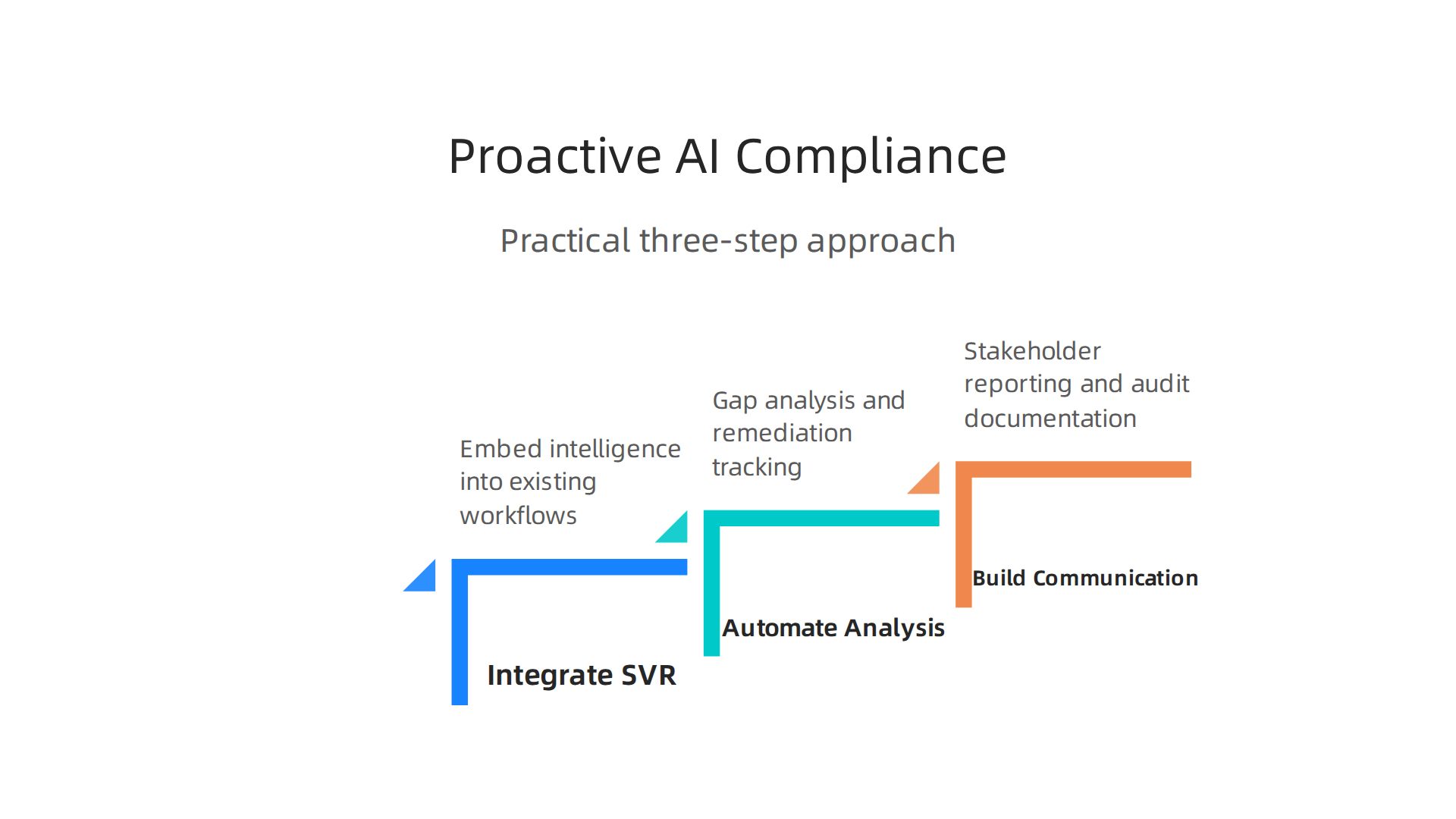
Step 1: Integrate SVR intelligence into your existing workflows.
Start by mapping your current compliance processes. Where do you track regulatory changes? How do you assess impact? How do you document your responses? Once you have that picture, connect your SVR intelligence tools directly into those workflows. The system should push alerts into your task management platform, not require you to log in to a separate dashboard. This is what experts call operationalizing AI in compliance, and it means embedding artificial intelligence into the infrastructure of your compliance program, not just layering a chatbot on top of legacy systems. A good AI compliance guide 2026 outlines how to build this integration step by step.
Step 2: Automate gap analysis and remediation tracking.
Once the SVR models flag an upcoming regulation, the system should automatically compare your current policies against the new requirements. It highlights exactly where you fall short. Then it creates remediation tasks with deadlines and assigns owners. Your team can see progress in real time. No more spreadsheets. No more manual audits. The system also logs every action for later review. This automated gap analysis turns regulatory alerts into concrete to-do lists.
Step 3: Build stakeholder communication and audit-ready documentation.
Regulators in 2026 want proof, not promises. When auditors ask how you handled a specific regulatory change, you need clear, timestamped records. Your SVR intelligence tool should automatically generate documentation for every decision. It records why you took a certain action, what data informed the decision, and who approved it. This makes audit preparation painless. You can also share summarized reports with executives, board members, and external partners without manual effort.
Many compliance leaders also find it helpful to create an AI governance framework that includes a control catalog, a compliance matrix, and a risk register. The 2026 AI legal forecast recommends inventorying all AI assets and updating vendor agreements to shift liability back to providers.
Following this guidance strengthens your audit readiness.
For more detail on setting up governance structures, read our guide on how to build a technology strategy board for eu ai act 2026 compliance. It walks you through the exact roles and processes you need.
When you combine predictive intelligence with automated workflows and documentation, compliance stops feeling like a burden. It becomes a strategic advantage. You move from reacting to preparing. And you build trust with regulators, customers, and partners.
If you want to stay ahead of every regulatory shift without spending hours tracking news, consider subscribing to a daily briefing that does the heavy lifting for you. Get clear daily AI updates from The AI Newsletter Worth Reading and keep your compliance strategy sharp every single day.
Real-World Applications: Case Studies in AI Regulatory Intelligence
You have seen how predictive svr intelligence works in theory. But the real proof shows up in results. Let us look at two companies that put it into practice.
Case Study 1: A fintech firm cuts monitoring time by 70 percent.
A mid-size fintech company was drowning in regulatory alerts. Their compliance team spent hours every day scanning government websites, legal blogs, and industry feeds. They often missed updates until after deadlines passed.
They deployed a custom SVR intelligence system that pulled data from over 200 regulatory sources in real time. The system ranked each alert by urgency and automatically mapped it to the company’s existing policies. Within three months, the compliance team reduced monitoring time by 70 percent. Instead of chasing news, they focused on high-priority remediation tasks. The system also generated audit-ready documentation for every decision. The firm passed its next regulatory review with zero findings.
Case Study 2: A global e-commerce platform avoids a major fine.
A large e-commerce company operating across Europe, the US, and Asia faced a tricky situation. A new data localization rule was quietly working its way through a key market’s legislature. Most competitors did not notice until the rule was nearly finalized.
The company’s SVR intelligence platform flagged the proposed regulation six weeks before formal publication. The compliance team immediately started an impact assessment. They adjusted data storage practices and updated vendor contracts. When the rule took effect, the company was already compliant. Industry analysts estimated that similar firms faced fines of over 2 million euros for non-compliance. The early warning saved the e-commerce platform that amount and more in legal costs alone.
Common patterns across both cases.
These stories share three lessons. First, scalability matters. SVR intelligence handles data volumes that human teams simply cannot. Second, accuracy improves. The systems reduce false alerts and surface what actually matters. Third, the return on investment is clear. The fintech firm saved hundreds of staff hours. The e-commerce platform avoided a direct financial hit. Both companies also gained trust from regulators, customers, and partners.
These results match what experts see across industries when they focus on operationalizing AI in compliance in 2026 rather than just adding another dashboard.
For more practical guidance on protecting your business, read our article on compliance strategies to avoid major fines. It covers the exact steps you need in today’s regulatory environment.
The key takeaway is simple. SVR intelligence does not replace your team. It gives your team superpowers.

And in 2026, that advantage makes all the difference.
Challenges and Limitations of AI in Regulatory Oversight
The case studies show the power of SVR intelligence. But no tool is perfect. Using AI to track regulations comes with real obstacles you need to understand before you rely on it fully.
Model interpretability is a big one. Regulators want to know how a system reached its conclusion. Many AI models work like a black box. They process data and give an answer, but explaining the exact reasoning is hard. When your team cannot clearly explain an AI-driven decision, it creates legal risk. This is especially true in highly regulated industries where transparency matters. The challenges of using AI in compliance include the inability to provide clear explanations, which can lead to complications during audits or enforcement actions.
Data quality and bias can mislead your system. SVR intelligence is only as good as the information it learns from. If your data sources are stale, incomplete, or biased, the predictions will be too. For example, a system trained mainly on past regulations might miss new trends or favor certain regions over others. This is a major concern because AI compliance risks like biased or discriminatory algorithms can create unfair outcomes and legal exposure.
Integration complexity slows things down. Most companies run on legacy systems that were never built to talk to modern AI tools. Getting SVR intelligence to pull data from old databases, spreadsheets, and manual processes takes time and money. Without standards for how different systems connect, your team can waste months on setup instead of saving time. And if the integration is sloppy, the whole system can produce inaccurate alerts.
These limitations do not mean you should avoid AI. They mean you need to plan carefully. You must invest in clean data, transparent models, and solid integration work. Understanding the prerequisites for business and AI compliance is a smart first step before you scale.
The good news? Teams that recognize these challenges early are the ones that build SVR intelligence systems that actually work long term. They avoid the pitfalls that trip up others.
If you want to stay ahead of these issues and get clear daily updates on AI regulation, The AI Newsletter Worth Reading delivers the insights you need right to your inbox.
Summary
This article explains why 2026 has become a turning point for tech and AI compliance and shows how SVR (Support Vector Regression) intelligence—combined with NLP—can automate and improve regulatory tracking. It covers the scale of the problem (rapid, multi‑language, multi‑jurisdiction rulemaking), how SVR reads context rather than keywords, and how AI prioritizes and scores updates so teams focus on what matters. You’ll learn how predictive models can forecast likely rules and enforcement shifts, how to consolidate conflicting obligations across countries, and practical steps to embed these tools into workflows, gap analysis, and audit documentation. The piece also shares real case studies that quantify time and cost savings, and it flags limits like interpretability, data bias, and integration complexity so you can plan mitigation. After reading, compliance and risk leaders will understand when to adopt SVR-driven monitoring, how to operationalize alerts into tasks, and how to use predictive intelligence to move from reactive to proactive compliance.