
Why business leaders must tap top artificial intelligence experts now
In 2026, artificial intelligence (AI) is changing how every business works, and it’s happening very quickly. This fast change brings both big chances and big problems. Business leaders today face a tricky path. New rules and laws about AI are popping up all over the world, making things complex.

It can feel like a maze, especially with things like the EU AI Act setting tough new standards.
Not knowing these rules can put a company in danger. Businesses could get hit with big fines or fall behind rivals who are more tech smart with AI. Investors also look closely at how companies handle AI risks and opportunities. To stay safe and keep growing, companies need to set up strong AI rules, often called AI governance. This might even mean having a special group of people in charge of AI issues, as suggested in the 2026 Corporate Governance Guide for the AI Era. The pressure is on, and understanding this world is as important as reading a McKinsey Business Book of the Year for strategic insight. Even major players like Chinese AI companies are moving fast, showing how critical it is to keep up.
This is exactly why having the top artificial intelligence experts on your team is so crucial. They can help you make sense of the complex laws and the rapid changes in AI tech. This guide will give you a clear, proven way to find these smart people, figure out if they’re the right fit, and bring them into your company’s leadership and rule-following plans. Our goal is to help you guide your business through the AI revolution with confidence.
To make sure you’re always informed with the latest daily updates on AI and important regulations, consider getting The AI Newsletter Worth Reading.
The strategic value of top AI experts for executives and investors
Having the right people on your team makes a huge difference, especially with something as new and complex as AI. Top artificial intelligence experts are not just good at coding. They also understand the big picture. This helps company leaders and even people who invest money in businesses. These experts make things clearer and safer.
Experts help reduce confusion
AI brings new rules and ways of doing things that can be confusing for business leaders. Think about all the new laws, like those setting strict standards for AI use. Experts help companies avoid mistakes that could lead to big fines or harm their good name. They can:
- Explain the rules: They know about the latest AI laws and can explain what they mean for your business. For instance, they help companies understand how to meet standards for ethical AI from the very start, not as an afterthought, as highlighted in the 2026 Global AI Report.
- Keep you safe: Experts help make sure your company’s AI tools follow all the rules. This is called compliance. They can help build a plan for responsible AI, which includes things like knowing all the AI tools your company uses and checking them for risks. This is part of a complete guide to enterprise AI governance.
- Lower product risks: When you create new AI products, there can be hidden dangers. Experts can spot these problems early on. They look at things like how safe the AI is, if it’s fair, and if it will work as it should. Good practices for AI governance often involve ongoing checks and proper paperwork to describe the AI system, according to an AI Governance Best Practices for Enterprises (2026 Guide).
These smart people help leaders make good choices, even in a fast-moving world. Knowing how to handle these challenges is key to avoiding penalties and keeping your business strong. For deeper insights into navigating these complex rules, you might want to learn how to make an AI compliant with global regulations in 2026.
How investors use expert opinions
Investors want to put their money into companies that are safe and likely to grow. When it comes to AI, this means they often look to top artificial intelligence experts to help them decide.
- Making deals safer: Experts can look at a company’s AI plans and see if they have thought about all the risks. If a company has a strong AI plan and good people in charge, investors feel more secure. They use expert reviews to help lower the chances of something going wrong with their investment.
- Checking the team: Investors also want to know if a company’s AI team is truly skilled. Experts can check the team’s knowledge and how they build and use AI. This helps investors understand if the company can really do what it says it can with AI. For example, some reports show how to measure a company’s readiness to adopt and grow AI, which helps assess teams. This is discussed in a framework for AI readiness assessment.
In 2026, the smart use of AI is not just about making cool tools. It’s about building a trusted business for the long run. Having leading AI experts makes a company more appealing to investors and helps ensure success by understanding and following the rules.
Finding the right people is very important for success with AI. But how do you know who the top artificial intelligence experts are, especially for your specific business? It’s not just about finding someone who knows a lot about AI. It’s about finding someone who knows the right things for your company.
How to spot the right AI experts for your business
When you’re looking for top artificial intelligence experts, you need to think about what makes them truly good for your business.
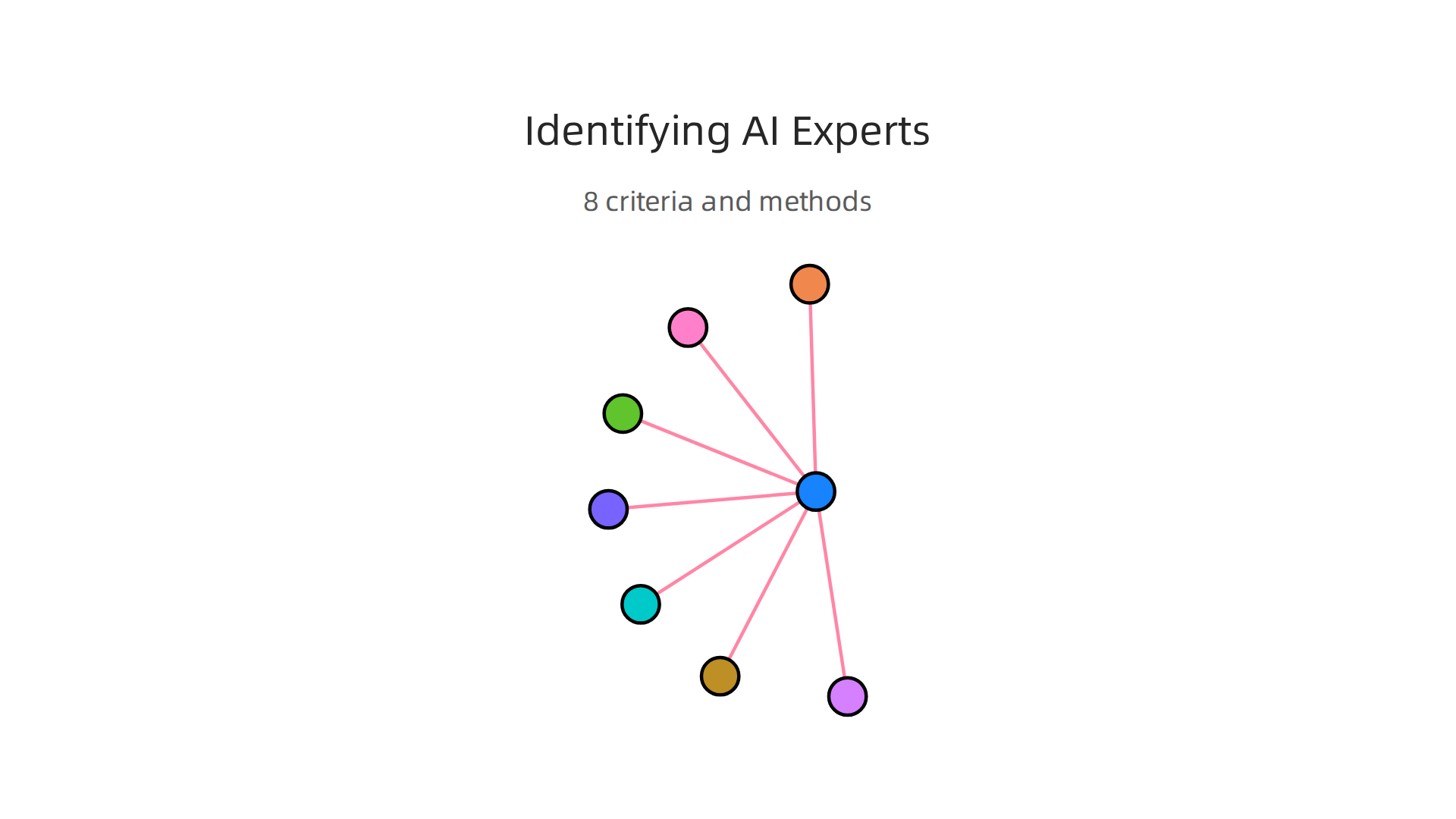
Here are some key things to look for:
- What they know best: Do they understand your industry? An expert in healthcare AI might not be the best for a company making car parts, even if they are both "tech smart." The best experts focus on a certain area, like building new types of AI or knowing all about rules for AI. You can often see these different types of experts mentioned in guides like "Who Are The Best AI Experts in the World in 2026?".
- Their research and writings: Have they published important papers or done big research that helps move AI forward? People who do this often share new ideas and make a real impact on how AI is developed.
- Rules and laws experience: Do they know about the rules and laws that affect AI? This is super important in 2026. An expert who understands how to make sure your AI follows all the new laws can save your company from big problems. For example, some experts help company boards manage risks and value in AI, which can even lead to being featured in guides like the Structuring AI Governance: How Leading Boards Manage Risk and … that’s like a McKinsey business book of the year.
- What they’ve built: Have they actually made AI products that work well in the real world? This shows they can take ideas and turn them into useful tools. This kind of experience is vital for hands-on application.
Practical ways to find these experts
It can seem hard to find these people, but there are clear signs to look for:
- Where they work: Look at top universities, big tech companies, or leading research labs. These places often have many top artificial intelligence experts.
- Their inventions: Have they helped create new AI technologies? Patents are official papers that show someone invented something new. This is a strong sign of deep expertise.
- Advising other groups: Do they give advice to important committees, other companies, or even governments? This means others trust their knowledge.
- Public records: Sometimes, you can find their names in public company documents, especially if they are part of a special AI board or team.
- Setting standards: Do they help write the rules or best practices for how AI should be used? Being part of a "standards body" shows they are deeply involved in shaping the future of AI.
Thinking about these points will help you find the top artificial intelligence experts who can truly help your business. This is especially true as AI keeps changing, with new forms like What is Agentic AI and How it is Changing Business in 2026 coming out.
To stay on top of all the fast-moving changes in AI and its rules, you need reliable information.
Are you an executive or investor looking for clear, daily updates on AI and tech regulations? The AI Newsletter Worth Reading delivers exactly that.
For business leaders, understanding How to Use AI Strategically: A Decision-Makers Guide for 2026 can make all the difference.
Different top artificial intelligence experts have different skills and knowledge. To really pick the best ones for your business in 2026, it helps to know what these different special areas are. Each area plays a big role in how AI products are made, how they follow rules, and even how much investors trust a company.
Here are the main types of expertise you’ll find among leading AI experts:
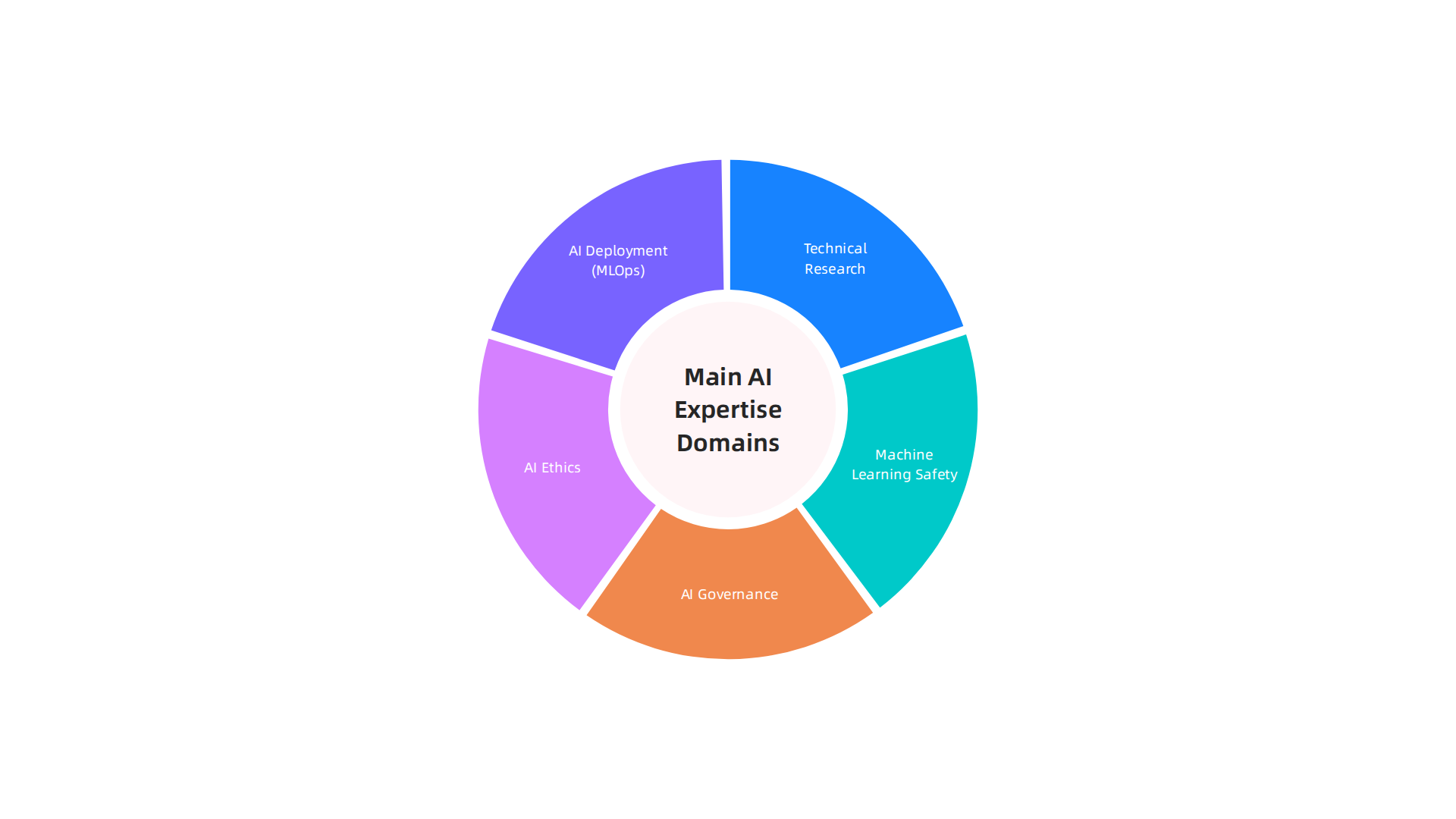
Technical Research Experts
These are the people who build the basic ideas of AI. They might focus on deep learning or inventing new ways for AI to learn. They are often called "foundational researchers" or "frontier lab builders" because they turn new ideas into working systems. Their work is super important for designing new products because they create the very tools and methods that new AI solutions will use. Without them, there would be no new AI! You can find many of these experts listed in guides like Who Are The Best AI Experts in the World in 2026?.
Machine Learning Safety Experts
As AI gets more powerful, making sure it’s safe is a big deal. These experts focus on preventing AI from doing harmful things, making sure it works as expected, and building systems that can explain their decisions. This kind of expertise is vital for product design because it helps build trust and makes sure your AI doesn’t cause unexpected problems. It’s also key for compliance, as new laws in 2026 demand safer AI.
AI Governance and Policy Experts
These experts know all about the rules, laws, and best practices for using AI. They understand things like data privacy, how to manage AI risks, and what different countries’ AI laws require. For any business, having someone with this knowledge is a must for compliance. They help make sure your AI projects follow global regulations and avoid big fines. This understanding also matters a lot for investor due diligence. Investors want to know that a company’s AI plans won’t run into legal trouble, especially given the complex landscape of US Tech Regulations 2026 Navigating Data Privacy AI Governance And Antitrust Rules.
AI Ethics Experts
Ethics experts make sure AI is fair, unbiased, and used in a way that helps people. They think about questions like, "Is this AI being fair to everyone?" or "Could this AI accidentally harm certain groups?" Their input is crucial for product design because ethical AI builds a good reputation and avoids backlash. It helps your company create AI that is not only smart but also good for society.
AI Deployment and Operations (MLOps) Experts
These are the hands-on people who make sure AI models work well once they are built. They handle putting AI into real-world systems, monitoring its performance, and making updates. Their expertise is all about making sure AI is reliable and efficient. This is important for product design because a great AI idea isn’t useful if it can’t be properly used and maintained in real business operations. Keeping AI running smoothly is just as important as building it in the first place. Some of the Top 20 AI Leaders Driving Industry Transformation in 2026 are recognized for their work in deploying AI at scale.
By understanding these different types of expertise, you can better identify the top artificial intelligence experts who fit your company’s specific needs, whether it’s for cutting-edge product creation, strict legal compliance, or securing investor confidence.
Now that you know the different kinds of top artificial intelligence experts, how do you actually pick the best ones for your company?

It’s not enough to just know what they do. You need a clear way to compare them side by side. This is where a simple, step-by-step plan helps a lot. It makes sure you choose experts who are truly a good fit and will help your business grow and follow all the rules.
How to Evaluate and Shortlist AI Experts
Finding the right top artificial intelligence experts means looking at more than just their fancy titles. You need a simple framework to check if they have the right skills and if they are trustworthy.
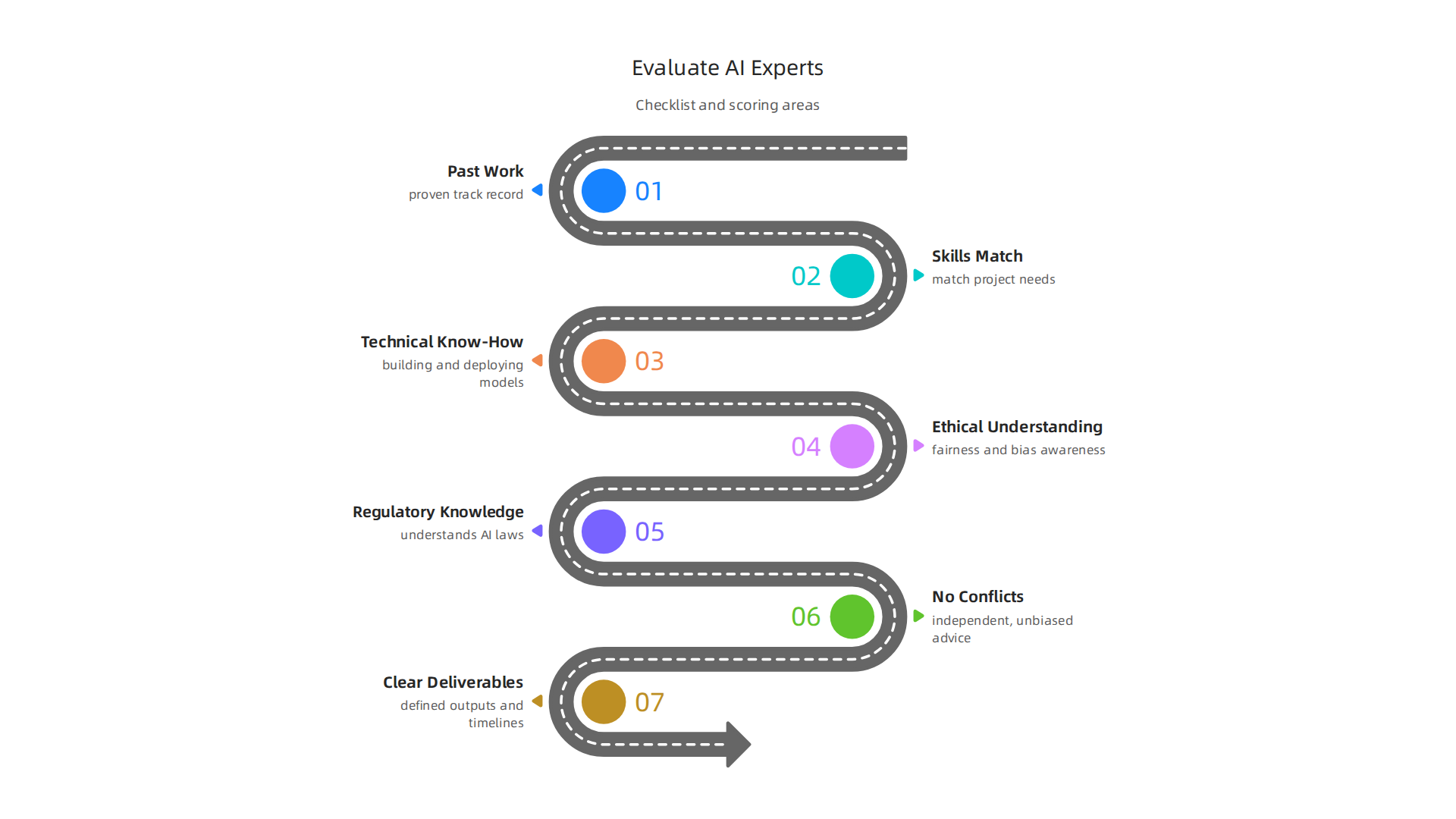
Here’s a helpful checklist to guide you:
-
Check Their Past Work (Credibility):
- Have they worked on projects like yours before?
- Do they have a good track record of success?
- Can they show you real results they helped achieve for other companies? A global report in 2026 states that AI success should be measured by business impact, not just technical details, so look for experts who understand this idea too 2026 Global AI Report.
-
Match Their Skills to Your Needs (Relevance):
- Do their specific skills (like deep learning, safety, or legal knowledge) exactly match what your project needs?
- Are they up-to-date with the latest AI trends and tools in 2026? A skills report from AISA in 2026 can help you understand what current assessment data measures in terms of AI fluency The 2026 AI Skills Report: What Assessment Data … – AISA.
-
Look for Any Hidden Agendas (Conflict of Interest):
- Do they work with other companies that might compete with yours?
- Are they truly independent, or do they have ties that could make their advice biased?
-
Understand What They Will Deliver (Results):
- What exact things will they produce? (e.g., a new AI model, a compliance plan, training for your team).
- How will you know if they’ve done a good job? What are the success metrics?
Scoring and Comparing Candidates
To make a good choice, it helps to give each expert a score for different important areas. You can create a simple scoring table using a scale of 1 to 5, where 5 is excellent and 1 is needs improvement.
Here are the key areas to score your candidates:
- Technical Know-How: This covers their skills in building AI (like a research expert) or making sure it runs smoothly (like an MLOps expert). Do they have a strong grasp of the technical aspects needed for your specific AI solution?
- Ethical Understanding: How well do they think about fairness, bias, and making sure AI helps people? Their ideas here are key for building AI that gains trust and has a good reputation. McKinsey also talks about the importance of AI trust in 2026 and how companies need to build it into their plans State of AI trust in 2026: Shifting to the agentic era.
- Regulatory Knowledge: This is about their understanding of AI laws, data privacy, and how to manage risks. An expert who is tech smart and understands global rules can help you avoid big fines and ensure compliance. This is especially important as AI governance is a hot topic in 2026, with new vendor reports focusing on things like data quality, safety, and fairness in AI systems AI Governance Vendor Report 2026 (IAPP).
By scoring candidates in these areas, you get a clear picture of their strengths and weaknesses. This allows you to pick the top artificial intelligence experts who not only have great technical skills but also understand the ethical and legal challenges of AI in 2026. This careful process helps you make sure your AI projects are set up for success from the very beginning.
To stay on top of daily developments in AI and technology regulations, consider subscribing to The AI Newsletter Worth Reading. This can help you make informed decisions about who you hire and how you implement AI.
After you have carefully chosen the right candidates, the next big step is figuring out how to best work with these top artificial intelligence experts. It’s not a one-size-fits-all situation. Different projects and needs call for different ways to get their help. Knowing the best models for engaging them will ensure your company gets the most value and stays compliant.
Best Models for Engaging Top AI Experts: Advisory Boards, Retainers, and Short-Term Reviews
There are a few main ways to bring top artificial intelligence experts into your team. Each way has its own perks and is good for different business goals.
-
Advisory Boards:
An AI advisory board is like having a group of super smart guides for your company’s AI journey. These experts meet regularly to give high-level advice, review your AI strategy, and help you think about future risks and opportunities. This model is great for long-term guidance, making sure your company’s overall AI plan is strong and ethical. They can offer insights into big-picture items like how to build a technology strategy board for EU AI Act 2026 compliance. -
Consultant Retainers:
If you need ongoing, specific support, a consultant retainer might be the way to go. Here, an expert works with you for a set number of hours each month. They can help with complex problems, offer training, or keep you updated on the newest AI trends and regulations in 2026. This is perfect when you need a consistent source of tech smart advice without hiring a full-time person. Some models even involve AI systems supporting human advisors, like drafting communications or summarizing meetings, as discussed in "The Use of Generative AI to Provide Financial Advice" The Use of Generative AI to Provide Financial Advice. -
Project-Based Reviews (and Expert Witnesses):
For specific, one-time tasks, a project-based approach works best. This could involve an expert doing a deep dive into an existing AI system, reviewing its safety, or ensuring it meets all the current rules. An expert witness is a special type of project-based engagement, where an expert provides specialized knowledge for legal cases related to AI, like intellectual property disputes or regulatory violations. This is crucial for fixing a particular problem or getting a clear opinion on a specific AI product or process.
Important Things to Consider for Your Contract
No matter which model you choose, the contract you set up with your top artificial intelligence experts is super important. It protects both your company and the expert.
- Clear Scope of Work: Make sure you clearly write down what the expert will do and what they will not do. This avoids misunderstandings and keeps everyone focused on the same goals.
- Confidentiality: AI projects often involve sensitive company data. Your contract must have strong rules about keeping your information secret. With concerns like data leakage in AI systems in 2026, as noted in "2026 Trends: AI and Compliance in Financial Services," protecting your data is key 2026 Trends: AI and Compliance in Financial Services.
- Conflict-of-Interest Disclosure: Experts should tell you if they work with any companies that might compete with yours. This makes sure their advice is always fair and unbiased.
- Deliverables and Milestones: Clearly state what the expert will produce (the "deliverables") and when they will be ready (the "milestones"). These should be tied to important company goals, like making sure a new AI product meets all compliance rules or hits a certain development stage. A report on AI’s impact on professional services in 2026 even mentions that AI clauses are now common in engagement letters across the industry Services insights: 2026 AI Impact Survey Report.
By carefully thinking about these engagement models and contract details, you can make sure your company works with top artificial intelligence experts in a way that truly benefits your business and helps you succeed safely in 2026.
Once you have top artificial intelligence experts on board, the next big step is to make sure their smart advice actually helps your company. This means taking their ideas and turning them into real actions for your business.

It is not enough just to hear their thoughts; you need to put them into your company’s rules, how you build products, and how you talk about risks.
A great place to start is with your company’s governance. This is about how your company is run. Many businesses in 2026 are setting up special groups or committees just for AI. These groups help make sure all AI plans are safe and follow the law. Experts can guide these committees on things like AI Governance Best Practices for Enterprises (2026 Guide), making sure your company stays on the right track.
Then there is product development. When you are building new AI tools or improving old ones, the advice from your top artificial intelligence experts is super important. They can help your teams build AI products that are not just clever but also fair, safe, and legal. This might mean changing how a product works, adding new features for safety, or making sure it meets all the new rules like the EU AI Act. Understanding how to make an AI compliant with global regulations in 2026 is key to this process.
Experts also help you find and manage risks. Every AI project has risks, like bias in data or unexpected behaviors. Your experts can help you create a "risk register," which is a list of all possible problems and how to deal with them. This helps your company be ready for anything. It is like having a tech smart guide to avoid pitfalls. Good AI governance also means having clear ways to handle problems and making sure someone at the top is in charge, as highlighted in AI Governance Lessons Businesses Can’t Ignore In 2026.
Finally, all this expert advice and the actions you take need to be shared with your company’s leaders, like the board of directors. This is called board reporting. It shows them that you are using AI in a smart and responsible way. Also, keeping good records of all the advice, decisions, and changes you make is vital. This "documentation" is not just busywork. It is how you can prove to regulators, customers, and investors that your company is serious about safe and ethical AI, especially with new rules constantly coming up in 2026. Experts say that having documented processes for AI governance is a growing trend for 2026.
Staying informed about these fast-moving changes is crucial for any business leader.
Get clear daily AI updates from The Deep View Newsletter.
Actually, seeing how businesses put expert advice into action really helps us understand its power. Let’s look at some real-world examples, keeping company names private, to see how getting [top artificial intelligence experts] involved changed things for the better.
Case Example 1: Making AI Products Fairer
Imagine a big tech company, let’s call it "InnovateCo," that was building a new AI tool to help people apply for loans. Early tests showed that this AI was sometimes unfair, favoring certain groups of people over others. This could have led to big legal problems and unhappy customers. InnovateCo decided to bring in [top artificial intelligence experts]. These experts looked closely at how the AI learned and made decisions. They found issues in the data used to train the AI and suggested ways to make it more balanced. By listening to this advice, InnovateCo changed its AI product to be much fairer. This not only prevented lawsuits but also built more trust with their customers. You can find similar stories of success in many AI Case Studies.
Case Example 2: Avoiding Regulatory Fines
Another company, "GlobalData Corp," uses AI to handle a lot of private customer information. With new rules like the EU AI Act coming into play in 2026, they worried their existing AI systems might not meet all the tough new standards. They were at risk of facing very large fines. GlobalData Corp hired [top artificial intelligence experts] who helped them set up a clear plan for how all their AI systems would be managed. This plan included keeping a list of every AI tool they used, checking each tool for risks, and making sure the right people were in charge of each one. This careful work helped GlobalData Corp quickly get ready for the new laws. It even allowed them to launch new AI tools faster, proving that good governance can reduce evaluation time significantly, as shown in insights on AI Governance Under the EU AI Act: Shadow AI Audit to CoE in 6 Months.
Case Example 3: Boosting Investor Confidence
Consider "FutureTech Solutions," a smaller company with amazing AI ideas but trouble getting money from investors. Investors were worried because the company didn’t have clear rules about how their AI would be used safely and ethically. They feared future problems. FutureTech Solutions then brought in [top artificial intelligence experts]. These experts helped the company create a strong set of rules for their AI, making sure it was used responsibly. They put in place checks to ensure the AI was fair and transparent. This dedication to safe and ethical AI, guided by the experts, really impressed investors. It showed them that FutureTech Solutions was serious about building a strong, lasting business, leading to a big funding boost. This kind of planning helps leading boards better manage risks and grow value, according to research like Structuring AI Governance: How Leading Boards Manage Risk and Value in 2026.
Key Lessons and What to Watch Out For
These stories teach us important lessons about working with [top artificial intelligence experts]:
- Act Early: Don’t wait until there’s a problem. Getting expert help from the start can save you a lot of time and money in the long run.
- Put Advice into Action: Experts give great advice, but it only helps if your company actually uses it. Make sure their ideas become part of your everyday work.
- Be Open and Clear: Keeping good records and talking openly about how you use AI helps build trust with everyone: customers, rule-makers, and investors.
There are also some things to watch out for. One big "red flag" is "Shadow AI," which means employees using AI tools that the company doesn’t officially know about or approve. This can create hidden risks. Many companies in 2026 are using AI, but a recent survey found that only about a quarter have good governance for it, meaning lots of businesses aren’t fully managing these unofficial tools, as reported in the AI & Compliance Survey 2026. To be truly tech smart, businesses need to know about all the AI tools they use. Getting ahead of these issues with clear AI regulations 2026 compliance strategies for businesses is crucial.
Summary
This article explains why business leaders must hire top artificial intelligence experts now to manage fast-moving technology, evolving laws, and investor scrutiny in 2026. It covers the strategic value these experts bring—clarifying regulation, lowering product and compliance risk, and strengthening investor confidence—and describes the different specialist roles you may need (research, safety, governance, ethics, MLOps). The guide gives practical signals for finding talent, a simple scoring framework to evaluate candidates, and the main engagement models (advisory boards, retainers, project reviews) including contract essentials like scope, confidentiality, and conflict disclosures. It also shows how to convert expert advice into board reporting, AI governance, product changes, and documented risk registers. Finally, the article uses anonymized case examples to demonstrate tangible benefits—fairer products, avoided fines, and improved fundraising—while warning about common risks such as shadow AI and weak documentation.