

Why a curated guide to foundational AI texts matters now
In 2026, artificial intelligence, or AI, is everywhere. It helps businesses grow and changes how we work and live. But with all this new technology comes new rules. Company leaders and legal teams need to know a lot about AI to make smart choices and follow these rules.

They need good, solid information to build their plans and make sure everything is legal and safe.
It can be hard to find dependable and trustworthy guides in the fast-changing world of AI. There’s a lot of information out there, but knowing what’s truly helpful for strategy and keeping compliant is a big challenge. For example, understanding how different subfields of artificial intelligence work is key. You need resources that explain the basics clearly.
This guide is here to help you. It will show you the most important books and learning tools about AI. Think of classic books like "artificial intelligence a modern approach by russell & norvig." These foundational texts help you understand AI from the ground up. We will explain how to use these materials in your daily work and where to find the best, most current information. This includes details on special kinds of AI like alpha ai, which can have a big impact. Our goal is to give you a clear map to trusted knowledge so you can navigate the world of AI with confidence. Finding The List Of AI Websites Every Compliance Team Needs In 2026 can be a great starting point for staying informed.
Want to keep up with the latest AI rules and trends every day?
Get clear daily AI updates from The Deep View Newsletter.
To truly understand AI, it’s helpful to know what makes some learning materials better than others. When we say a textbook is "foundational" in AI, it means it’s a very important book that lays down the basic and lasting ideas about artificial intelligence.
Here’s what makes a textbook truly foundational:
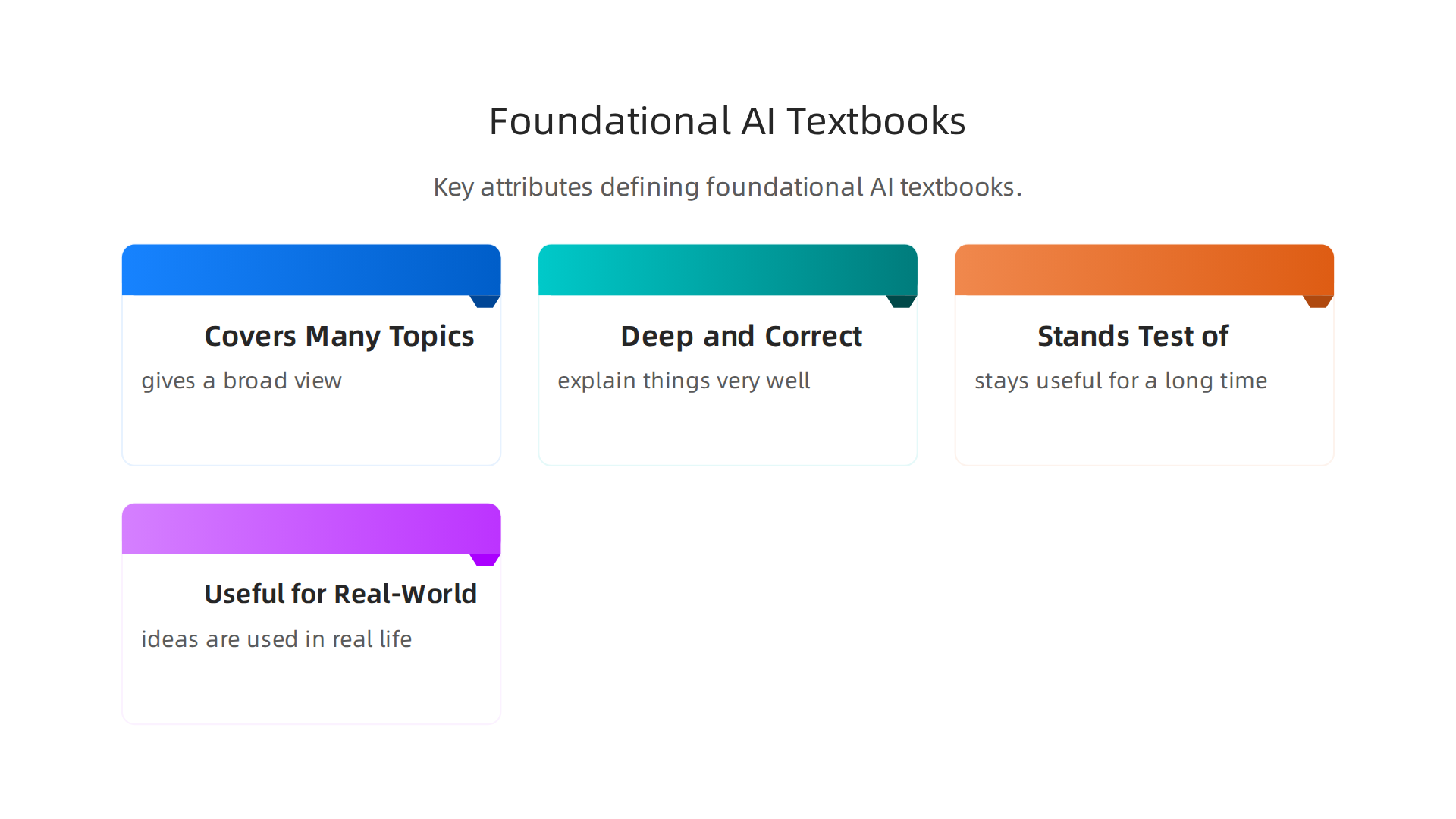
- Covers Many Topics: A good foundational text doesn’t just talk about one small part of AI. It gives a broad view, covering many subfields of artificial intelligence. This includes things like how computers learn, how they see, and how they understand language.
- Deep and Correct Information: These books explain things very well and in great detail. They don’t just give simple answers. They show you how things actually work, giving you a strong base of knowledge.
- Stands the Test of Time: A truly foundational book stays useful for a long time, often coming out in new editions. Think about "artificial intelligence a modern approach by russell & norvig." This book has been used by students and experts for many years because its core ideas remain important, even as AI keeps changing. It also often covers the history of AI, including details about who invented AI and how it developed.
- Useful for Both Ideas and Real-World Use: Foundational texts help you understand not just the big ideas behind AI, but also how these ideas are used in real life. They show how AI can solve problems. This is important for understanding newer, more complex AIs like
alpha AI.
Different people will value different parts of a foundational text. For example, company leaders might want to grasp the main ideas and how AI will change their business. Investors might look at how AI creates new chances for growth or new risks. Lawyers and compliance teams need to understand the details of how AI works to make sure it follows all the rules. They need to know about AI Regulations 2026: Compliance Strategies for Businesses to keep their companies safe from problems.
Having these strong foundational texts helps everyone build a clear picture of AI, no matter what their job is. They act like a trusted guide in a quickly changing world.
Why ‘Artificial Intelligence: A Modern Approach’ (Russell & Norvig) is widely cited
Following from our talk about foundational texts, one book stands out as a true guide in the world of AI: Artificial Intelligence: A Modern Approach by Stuart Russell and Peter Norvig. This book is often called "the Bible of AI" because it has helped so many people understand what artificial intelligence is and how it works.
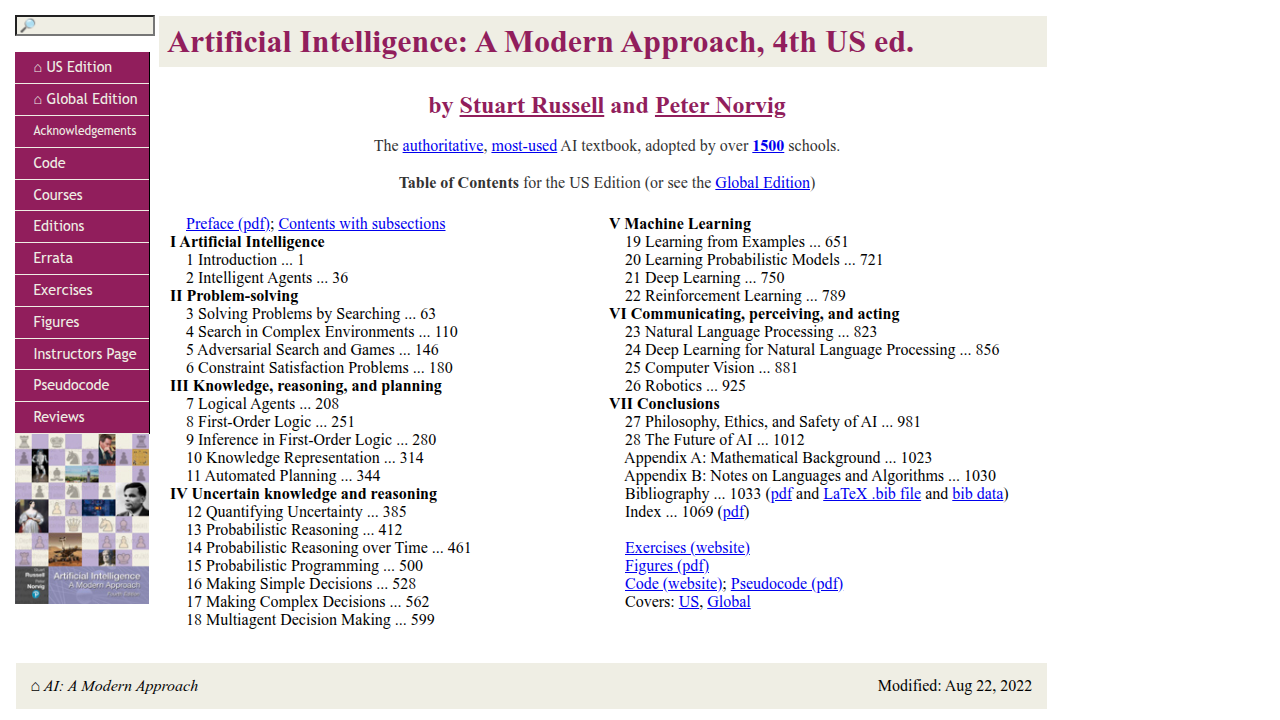
The book is special because it covers almost everything you need to know about AI. It gives a full picture, going deep into many different topics. This includes how smart computer programs, called agents, think and act, how computers can solve problems, learn new things, and understand language. It also explores many subfields of artificial intelligence, making it a truly complete guide Artificial Intelligence: A Modern Approach – Google Books.
What’s really amazing is how the book keeps up with the times. AI changes very fast, with new ideas and tools appearing all the time, like advanced alpha AI systems. Russell and Norvig regularly update their book with new editions. These updates make sure the book stays fresh and covers the latest changes and important applications in AI [PDF] Artificial Intelligence: A Modern Approach – Engineering People Site](https://people.engr.tamu.edu/guni/csce625/slides/AI.pdf). This means that even in 2026, the book helps students and experts understand both the old and new parts of AI.
This book is very important in schools. It is used in over 1500 universities and colleges around the world Artificial Intelligence: A Modern Approach, 4th US ed.. Many students learn the basics of AI from this book, whether they are just starting out or working on advanced degrees. It helps them build a strong base of knowledge that they can use to become AI researchers, engineers, or leaders in different fields. It also helps teams from different jobs, like business people and technical experts, speak the same language about AI. They all need a clear understanding of The Definition of Technology as it relates to these smart systems.
In short, artificial intelligence a modern approach by russell & norvig is widely cited because it’s clear, complete, and always up-to-date. It helps everyone, from new learners to seasoned professionals, grasp the complex world of artificial intelligence.
If you want to keep learning about AI and how it’s changing the world, there’s always more to explore.
Get clear daily AI updates from The AI Newsletter Worth Reading.
You might think a big book like artificial intelligence a modern approach by russell & norvig is only for computer scientists. But actually, it holds many helpful ideas for business leaders, money managers, and compliance teams too.

It helps everyone understand what AI is, how it works, and what it means for their jobs in 2026.
Making Technical Ideas Useful for Business
The book explains complex AI topics in a clear way. For people in business, it’s about seeing how these technical parts connect to real-world business choices, risks, and rules.
- For Executives: As a leader, you need to know how AI can change your company. The book’s parts on "intelligent agents" can show you how smart computer programs make decisions and take actions. This helps you think about new products or how to make work better. Understanding how AI learns can help you prepare your team. In 2026, many companies are looking at how AI changes jobs and how they learn. Training leaders is key for this shift Ai Training For Leadership: Complete 2026 Guide. It also helps to understand how to move from trying out AI to using it widely in your business From Pilot to Scale with AI for Business in 2026.
- For Investors: If you put money into tech companies, you need to know if their AI ideas are strong and if they have risks. The book’s deep dive into
subfields of artificial intelligence, like how AI solves problems or learns, gives you a strong base. It helps you ask smart questions about a company’s technology and its future. Knowing the risks of AI that is not managed well is also very important Why is AI Bad The Real Risks of Unrestricted Artificial Intelligence in 2026. - For Compliance Teams: Keeping rules is a big part of AI. The book helps you understand the basics of how AI thinks, which is vital for spotting issues like unfairness or privacy worries. You can learn about how AI makes plans and understands things. This knowledge is important for meeting new laws like the EU AI Act in 2026. Experts say that getting good training on AI compliance is a must AI Compliance Training: EU AI Act & 90-Day Implementation Strategy. There are many
AI regulations 2026 compliance strategiesthat businesses need to follow AI Regulations 2026 Compliance Strategies for Businesses.
How to Read the Book Smartly
You don’t have to read artificial intelligence a modern approach by russell & norvig from cover to cover to get value. Here are some smart ways to use it:
- Start with the Big Picture: Read the first few chapters to get a general idea of AI. Then, jump to chapter introductions and summaries for topics that matter most to your role.
- Focus on Your Needs:
- Executives: Look at chapters on intelligent agents, learning, and planning. These show how AI systems act and get better. Also, check out discussions on responsible AI to lead well Responsible AI: What Every Leader Needs to Know in 2026.
- Investors: Pay attention to parts about different
subfields of artificial intelligence, how AI solves problems, and how it learns. This helps you understand what makes a good AI product. - Compliance Teams: Dive into chapters on knowledge representation, planning, and uncertainty. This will help you understand where problems like bias or mistakes can come from in AI systems. Knowing about various
AI websites every compliance team needs in 2026can also be helpful The List of AI Websites Every Compliance Team Needs in 2026.
- Pair with Real-World Examples: While reading, think about current AI news or specific challenges your company faces. Many businesses are investing in training their teams for AI, as seen in 2026 New Research: How AI Transforms $400 Billion Of Corporate Learning.
By using artificial intelligence a modern approach by russell & norvig in these practical ways, executives, investors, and compliance teams can build a strong understanding of AI.

This helps them make better choices and keep up with the fast-moving world of artificial intelligence in 2026.
While artificial intelligence a modern approach by russell & norvig is a very important book, it helps to read other books and guides too. Think of it like learning to cook from one great recipe book. You’ll learn a lot, but other books can teach you different cooking styles or how to make special dishes. For AI, having a balanced reading list helps you see the whole picture. This means understanding the deep ideas, how to use AI in real life, and the rules around it.
Here are some kinds of resources that go well with artificial intelligence a modern approach by russell & norvig:
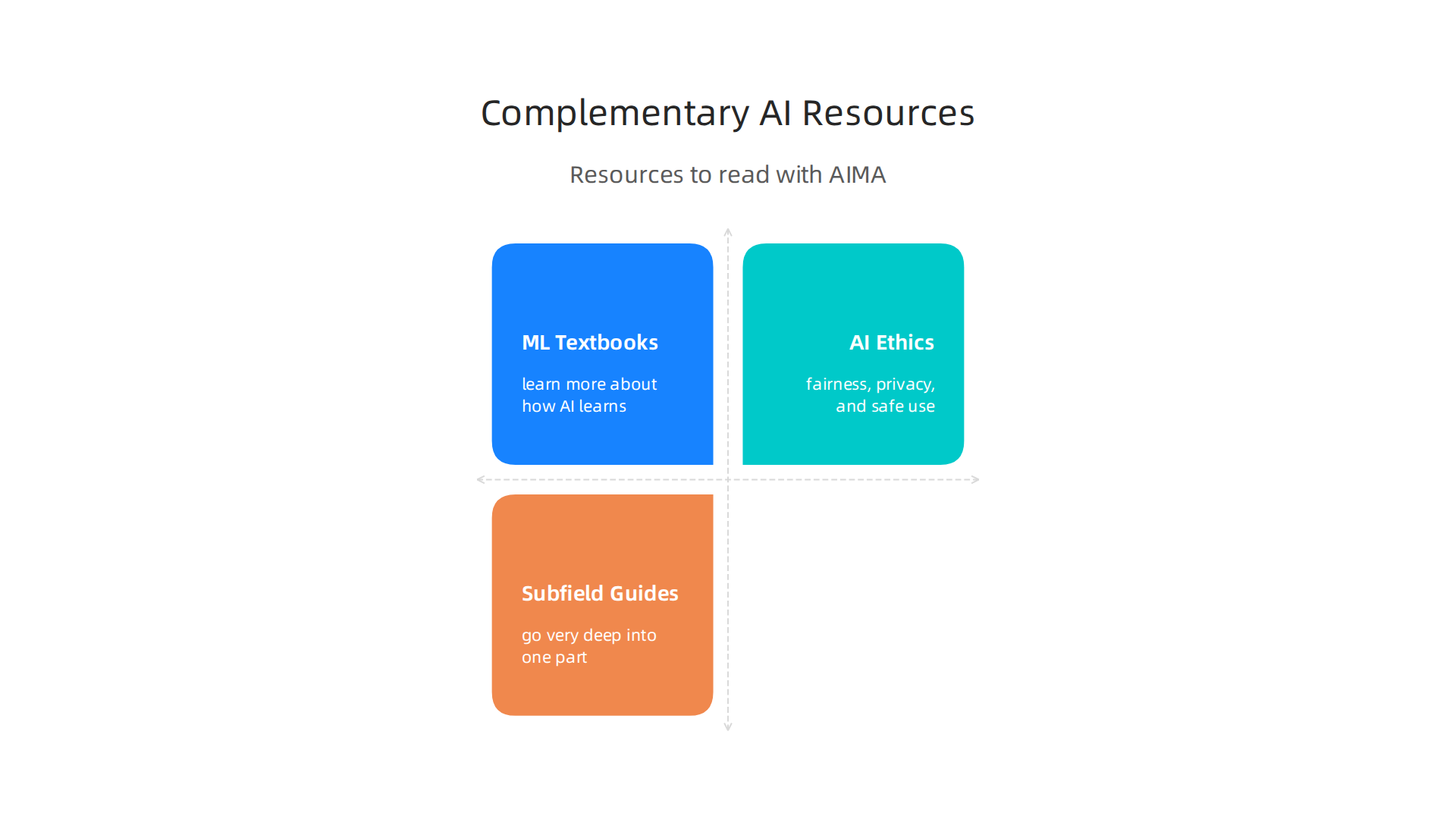
- Machine Learning Textbooks: AIMA talks about many
subfields of artificial intelligence, including machine learning. But some books focus only on machine learning. These books can help you learn more about how AI programs learn from data. They teach you about building AI that can get better over time. - Ethics and AI Policy Primers: As AI becomes a bigger part of our lives, thinking about right and wrong and following rules is very important. Books on AI ethics teach you about fairness, privacy, and how AI should be used safely. These guides also cover new rules, like
AI regulations 2026 compliance strategies to avoid million dollar fines, which are vital for businesses today. - Specialized Subfield Guides: AIMA covers many areas, but some books go very deep into just one part of AI. For example, if you want to know everything about how AI sees things (computer vision) or understands language (natural language processing), there are books just for those topics. They offer a much closer look at these specific
subfields of artificial intelligence.
To build a good reading list, mix these kinds of books. You want some for the big ideas (theory), some for how to build AI (applied methods), and some for the rules and good practices (regulatory context). You can also find many free learning tools online, called Open Educational Resources. These can be very helpful for learning more about AI
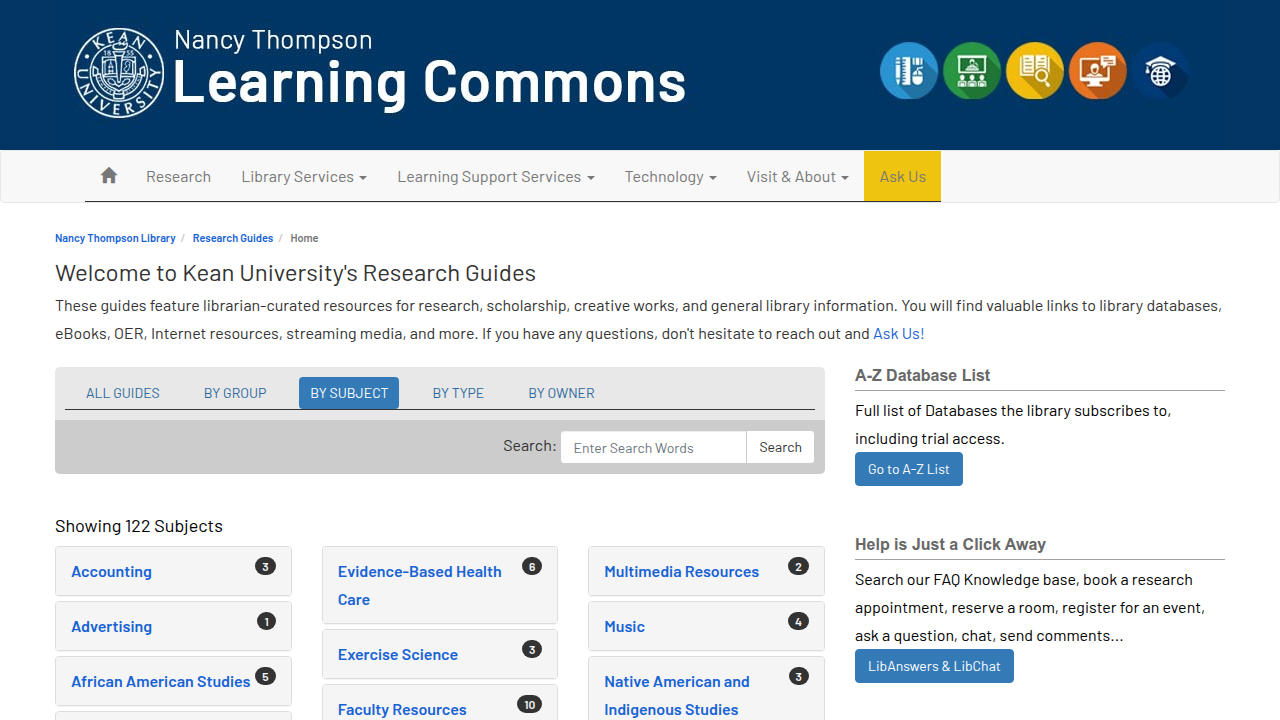
Artificial Intelligence: Find OER – Research Guides – Kean University.
By reading these extra books, you’ll get a wider and deeper understanding of AI. This helps you stay informed in 2026 and make smart choices, whether you’re leading a company, investing money, or making sure rules are followed.
To stay on top of the newest AI rules and tech news, consider subscribing to The AI Newsletter Worth Reading. You’ll get clear daily updates.
Moving beyond the core theories in a book like artificial intelligence a modern approach by russell & norvig means looking into other ways to learn. Open Educational Resources, or OERs, are fantastic for this. Think of OERs as free teaching and learning materials that anyone can use and share. They can be full courses, video lectures, practice problems, or even datasets.
In 2026, these resources are key for hands-on learning in AI. While books give you the "what" and "why," OERs help you with the "how." They let you try out what you’ve learned. For example, if you’re studying subfields of artificial intelligence like machine learning, an OER might offer a free online course with coding exercises. This helps you build real skills, not just knowledge.
Finding Reputable Open Resources
It’s important to find OERs from trusted places. Many universities and non-profit groups offer great open courseware and lecture series. These often cover everything from the basic ideas of AI to more advanced topics. Websites dedicated to open learning are good starting points. You can also find curated lists of datasets, which are crucial for training AI models. Using these datasets helps you practice and test different AI methods, like those used to create alpha ai systems. OERs can be used with AI tools to make learning even better, helping students learn new things or update older materials Using Open Educational Resources with AI.
Pairing theory from texts with these interactive resources is a smart way to learn. For teams, this means everyone can get a strong understanding of AI. Imagine your team studying the history of AI, maybe even learning about who invented ai, and then using an open course to build a simple AI project together. This mix of reading and doing helps solidify knowledge.
Applying Learning to Team Training and Product Validation
For businesses, OERs and datasets are vital for team training and testing new ideas. When validating a product or service that uses AI, your team needs to understand the underlying principles and how to apply them. Online courses can offer structured ways for teams to learn about different subfields of artificial intelligence, like natural language processing or computer vision. They can also explore specific tools or programming languages, such as using r technology for data analysis in AI projects.
By providing hands-on opportunities, these resources help teams go from theoretical knowledge to practical application. This is especially helpful when bringing new team members up to speed or exploring new AI capabilities for your products. You can find many helpful resources, including websites that compliance teams often rely on, to guide your learning and development efforts. For a detailed overview, check out The List of AI Websites Every Compliance Team Needs in 2026. This approach ensures your team not only understands the academic side of AI but also how to make it work in the real world.
Now, let’s look at how to build your own training. You can use great books like artificial intelligence a modern approach by russell & norvig to make helpful workshops.

These workshops can help your team truly understand AI.
Turning Textbooks into Training Guides
Imagine you have a big textbook chapter. You can break it down into smaller parts for a training session.
- Workshop Modules: Each module can cover a main idea, like a specific one of the
subfields of artificial intelligence. For example, one module might teach about machine learning, while another focuses on how analpha aisystem learns. This makes learning easier to digest. - Hands-on Labs: Don’t just read about it, do it! Use the ideas from the book to create simple tasks. Your team can use open datasets and tools, maybe even practice with
r technologyfor data tasks. This helps connect what they read to real work. - Policy Briefings: It’s super important for teams to understand the rules around AI. You can create short talks based on textbook parts that explain why certain rules exist. For example, knowing
who invented aiand the journey of AI can help explain why we need rules for new AI tools. These briefings help everyone understand their role in keeping things fair and safe. For businesses, this helps avoid big problems with AI laws AI Regulations 2026 Compliance Strategies to Avoid Million Dollar Fines.
What You Need for Good Training
To make these trainings work well, you need to think about a few things:
- Expert Teachers: You need someone who knows a lot about AI to lead the sessions. They should be able to explain complex ideas from a book like
artificial intelligence a modern approach by russell & norvigin a simple way. - Enough Time: Make sure you set aside enough time for learning and practicing. It’s not a one-time thing. Companies are investing a lot in teaching their teams about AI to stay updated AI Training for Employees: Preparing Your Workforce for the Future.
- Checking What Was Learned: How do you know if the training helped? You can give small quizzes or ask teams to complete a project. This is very important for rules and safety. It shows that your team knows how to use AI responsibly. Leaders also need special training to guide their teams in this fast-changing world of AI
Ai Training For Leadership: Complete 2026 Guide.
Remember, good training helps everyone understand AI better. This means your team can build better products and stay on the right side of the rules.
To stay on top of the latest AI trends and regulations, it’s wise to keep learning. Get clear daily AI updates from The AI Newsletter Worth Reading.
Learning from classic books is a great start. But just like anything, even the best books need updates. Take a book like Artificial Intelligence: A Modern Approach, 4th US ed. by Russell and Norvig. It’s truly a cornerstone for understanding the subfields of artificial intelligence. However, when thinking about AI today in 2026, we also need to look at things like safety, fairness, and how we manage AI. These topics have grown a lot since older books were written.
Finding Missing Pieces in Foundational AI Texts
When you read a foundational text like artificial intelligence a modern approach by russell & norvig, you’ll learn a lot about how AI works. But you might notice some gaps when it comes to today’s concerns:
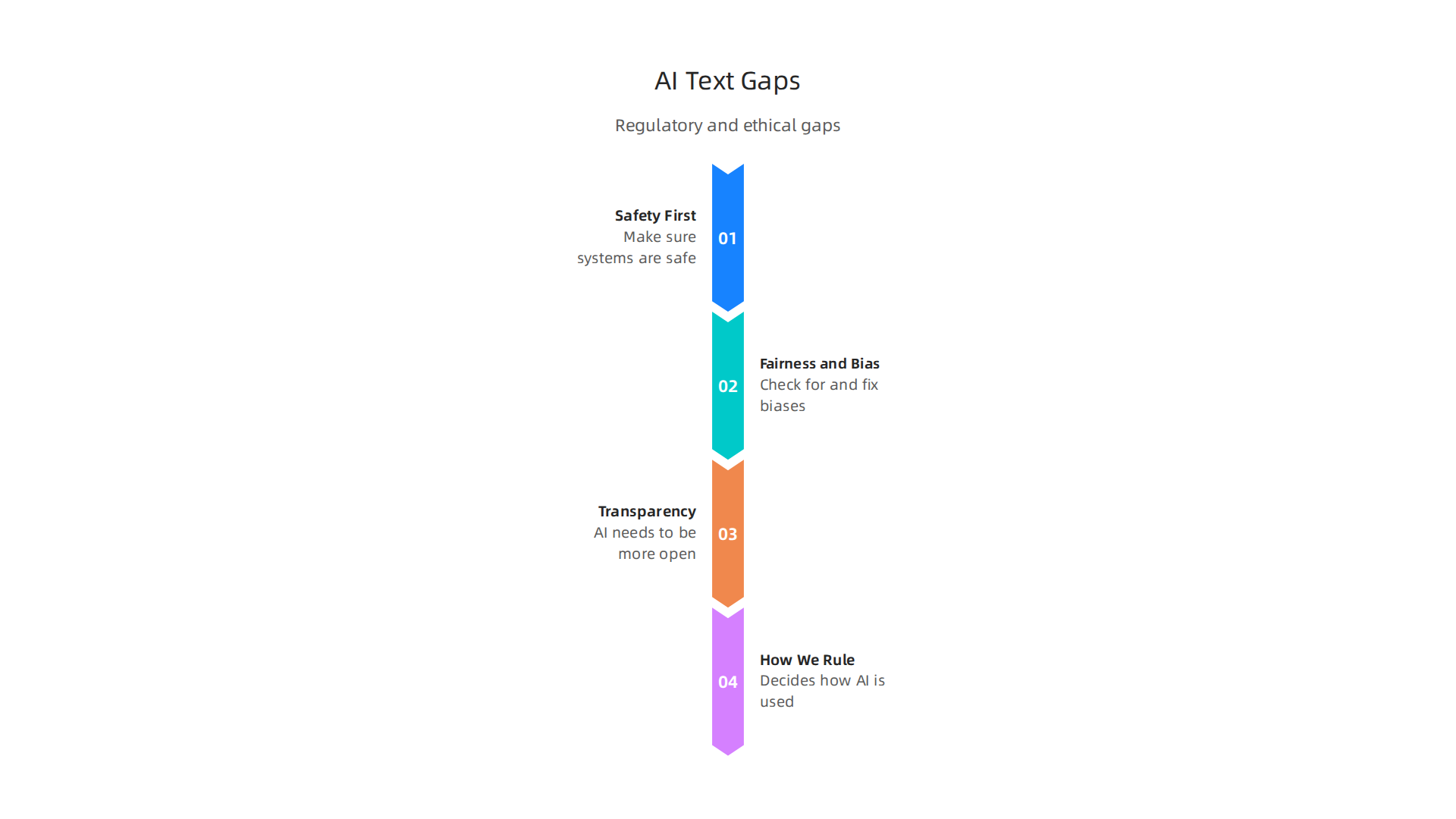
- Safety First: Older books teach how to build smart systems. But they might not focus much on how to make sure these systems are super safe and don’t cause harm. This is a big deal now as AI is used more and more.
- Fairness and Bias: Imagine an
alpha aisystem learning from old data. This data might have unfair ideas built into it. If the book doesn’t talk about how to check for and fix these biases, your team might create unfair AI tools without knowing it. Tools liker technologycan help analyze data for bias, but the understanding of why to look for it needs to be taught. - Transparency: Sometimes, AI makes decisions in ways that are hard to understand. This is like a "black box." Newer rules often say AI needs to be more open about how it works. Textbooks might not cover this need for clear explanations.
- How We Rule AI: Who decides how AI is used? How do we make sure it’s good for everyone? These are questions about AI governance. While some texts might touch on the history of
who invented aiand its development, they might not cover the latest laws and rules that are changing fast in 2026.
Adding Policy and Ethics to Your AI Learning
To make sure your team is fully prepared for AI in 2026, you need to add current policy-focused materials to your technical learning. Think of it like this:
- Read Up on New Rules: Find out about the latest AI laws and guidelines. This means adding sections to your training that explain what businesses must do to follow the rules. This helps with risk assessment too, showing what could go wrong if rules are not followed. You can find more details on how to handle these rules in our guide on AI Regulations 2026 Compliance Strategies for Businesses.
- Learn from Real-Life Examples: Look at news stories and case studies where AI caused problems. This helps your team see why safety and fairness are so important in the real world, not just in theory. Companies are increasingly investing in this kind of learning for their employees AI Training for Employees: The Complete Enterprise Guide.
- Talk About Ethics: Have open talks about what is right and wrong when using AI.

This helps everyone think deeply about the choices they make when building and using AI systems.
4. Keep Learning: The world of AI changes every day. So, learning can’t just be a one-time thing. Make sure your team has ways to stay updated on new rules and ethical discussions.
By blending the strong technical knowledge from books like artificial intelligence a modern approach by russell & norvig with fresh insights on regulations and ethics, your team will be truly ready for the future of AI.
Summary
This article explains why a curated guide to foundational AI texts matters for executives, investors, and compliance teams in 2026. It defines what makes a textbook