

Why Infineon Matters Now: Snapshot and Stakes for Regulators, Investors, and Founders
In 2026, the world of technology moves faster than ever, driven by amazing advancements in areas like artificial intelligence (AI). At the heart of much of this progress are semiconductors, the tiny chips that power almost everything from our phones to self-driving cars. One big player in this space is Infineon Technologies.

Infineon Technologies is not just another chip maker. It’s a company that makes key parts for cars, industries, and even data centers that use AI. This makes Infineon important for many reasons. For regulators, understanding Infineon’s products and how they are made helps keep markets fair and safe. For investors, knowing Infineon’s market position and future plans is key to smart financial choices. And for founders of new companies, seeing how Infineon works in this complex landscape can offer valuable lessons.

The current global situation brings new challenges, like supply chain issues and quickly changing markets. Yet, Infineon sees these times as chances to grow and innovate, especially with AI driving so much investment and change Special Report: Infineon Annual General Meeting – DVN. This focus on constant change is true for many companies today, whether it’s Aurora tech working on self-driving vehicles or other innovators like Dahua Technology in security or Zev Technology in electric vehicle parts.
This article will help you understand Infineon Technologies better. We’ll look closely at the company itself, what products it makes, and where it stands in the market. We’ll also dive into how it deals with new rules and laws, especially around AI. We will explore any risks with its supply chain and what all this means for the future. Staying on top of these changes, especially with new AI rules, is crucial for any business leader today. You might find it helpful to read more about mastering global AI regulations 2026 for wave AI compliance.
If you want to stay updated on critical developments in technology regulation and AI rules, we recommend getting clear daily AI updates.
The AI Newsletter Worth Reading
Infineon Technologies is a big company that works across the globe. It organizes its work into different parts, or "segments," each focusing on specific types of customers and products. This structure helps Infineon stay sharp and meet the different needs of various high-tech markets.
Infineon’s Core Business Segments
Infineon’s main business is built around making important chips for many industries. According to their Infineon’s 2025 Annual Report, the company makes semiconductors and related solutions for key growth areas. Let’s look at its main parts:
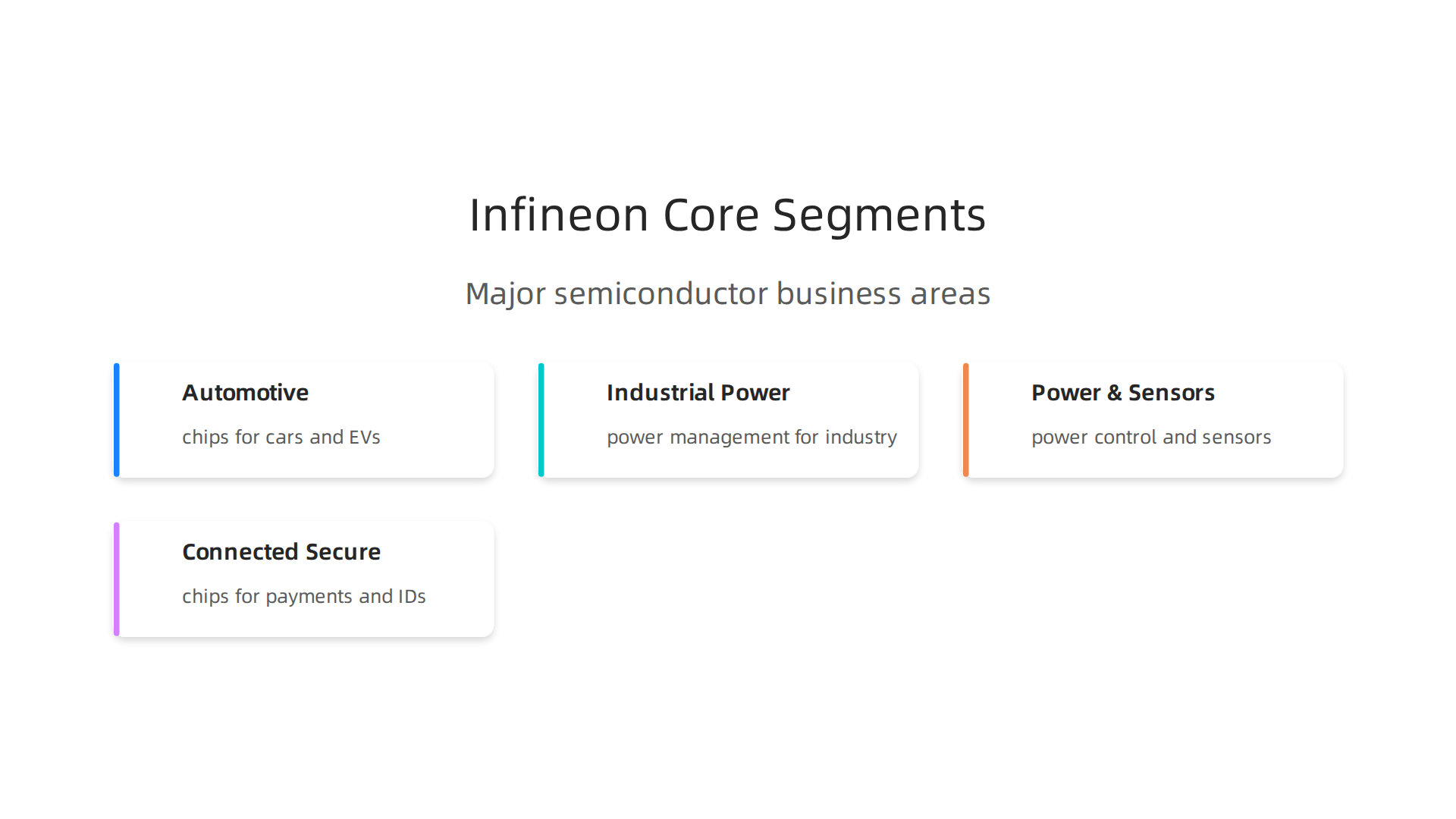
- Automotive (ATV): This is a huge focus for Infineon. They make chips that go into cars. Think about everything from engine control to safety systems like airbags, and especially the newer electric cars and self-driving vehicles. These chips help cars run smarter and safer.
- Industrial Power Control (IPC): This part makes chips that manage power for things like trains, wind turbines, and even big factory machines. These chips help make sure power is used smartly and efficiently.
- Power & Sensor Systems (PSS): Here, Infineon makes chips that control power for many devices, from your phone charger to power supplies in computers. They also make sensors that help devices "sense" the world around them, like touch, light, or pressure.
- Connected Secure Systems (CSS): This segment makes chips that help keep things safe and connected. This includes chips for your payment cards, digital passports, and secure parts of smart home devices or industrial machines.
This way of organizing helps Infineon Technologies be a leader in these important areas. You can find more core information about the company in their Infineon at a Glance report.
Recent Actions and Growth
In 2026, Infineon has been busy. The company recently shared strong financial results. For example, in the second quarter of its 2026 fiscal year, Infineon reported solid revenue numbers Infineon’s Q2 fiscal year 2026 results. This strong performance led Infineon to raise its outlook for the full year Infineon raises full-year outlook.
They are always working on new products, especially as AI becomes more important. Infineon also invests in making more chips, expanding its factories to meet the growing demand for its products. This helps them stay ahead in a fast-moving market. Understanding the basics of AI can be really helpful when looking at these advancements. If you’re interested in learning more, check out this virtual intelligence your 2026 guide to AI fundamentals and regulatory readiness.
Infineon Technologies stands out not just because of its business parts, but also for the special technologies it uses. These core technologies make Infineon a leader and help shape its place in the market. The company makes chips that are very important for controlling power, sensing things, and acting as the "brains" for many devices.
What Makes Infineon Technically Distinct
At the heart of Infineon’s work are three key areas of technology:
- Power Management: Infineon is great at making chips that control how electricity flows. These chips make sure devices use power in the smartest way possible. This is super important for saving energy in things like electric cars, solar power systems, and phone chargers. Good power management means less wasted energy and often, longer battery life.
- Sensors: Think about how your phone knows when you’re holding it to your ear, or how a car knows if it’s too close to another object. This is thanks to sensors. Infineon makes many kinds of sensors that help devices "feel" their surroundings. These can detect things like pressure, light, and motion, making smart devices even smarter.
- Microcontrollers: These are like tiny computers on a chip. They are the "brains" that make electronic devices work. Infineon’s microcontrollers are used in everything from car engines to smart home gadgets. They help these devices carry out their tasks precisely and reliably.
Infineon’s special focus on these areas gives it a strong technical edge. The company spends a lot on research and development to create new and better solutions. This focus on innovation and its own smart designs, called intellectual property (IP), helps Infineon stay ahead. For instance, AI is a very big part of their plans, driving new investments and growth strategies in 2026, as discussed in the Special Report: Infineon Annual General Meeting – DVN. This strong technical know-how also means that Infineon Technologies often faces careful checks from regulators, especially as technology rules become more complex.
Understanding how to make sure these advanced technologies follow all the rules is key for any company. If you’re looking to understand more about how tech companies navigate tricky rules, you might find this information helpful: Mastering Global AI Regulations 2026 for Wave AI Compliance. This careful approach to new technology and regulations opens up many chances for Infineon in the fast-changing world of electronics.
For more helpful information about the latest in AI and tech rules, sign up for our daily updates.
The AI Newsletter Worth Reading
Infineon Technologies uses its special technical know-how to serve many important customers around the world. The company focuses on three main groups: cars, industrial uses, and everyday things people buy.
Serving Key Markets
Infineon’s chips are a big part of the automotive world. They help make electric cars run better, keep cars safe with advanced systems, and allow for smart driving features. For the industrial sector, Infineon’s products power things like smart factories and systems that use renewable energy, such as solar power. And in the consumer market, their chips are found in many devices we use every day, like smartphones and smart home gadgets. Infineon makes semiconductors and solutions for these important areas, including AI data centers, as noted in their Annual Report 2025. This wide reach helps Infineon Technologies stay strong in many different parts of the world.
Infineon also works closely with partners to bring its products to customers. They have a plan to get their chips to the right places, making sure many different industries can use their advanced technology.

The world of chip-making is very competitive, with many companies trying to make the best and newest tech. Infineon stands out by keeping its focus on innovation and strong relationships.
The Role of Regulations and Risks
Because Infineon Technologies works globally and its products are so important, the company faces many rules and challenges. The way chips are made and sent around the world is very complex. It’s like a big puzzle with pieces coming from many different countries. This "supply chain" for semiconductors is often concentrated in a few key regions, which can create risks if there are problems in one area. This means global trade and politics can affect how companies like Infineon operate. Understanding these risks is part of staying successful. For example, knowing how to build a good technology strategy board can help companies manage these complex rules. Companies are always looking for ways to make their supply chains stronger to handle any disruptions.
Because Infineon Technologies operates around the globe and its products are so important, the company must follow many rules and handle various challenges. The way chips are made and sent worldwide is complex, often facing changes in global trade and politics. Staying successful means understanding these risks and keeping up with the latest legal and policy trends.
Key Rules Infineon Must Follow
Companies like Infineon Technologies deal with many different kinds of rules.
These include:
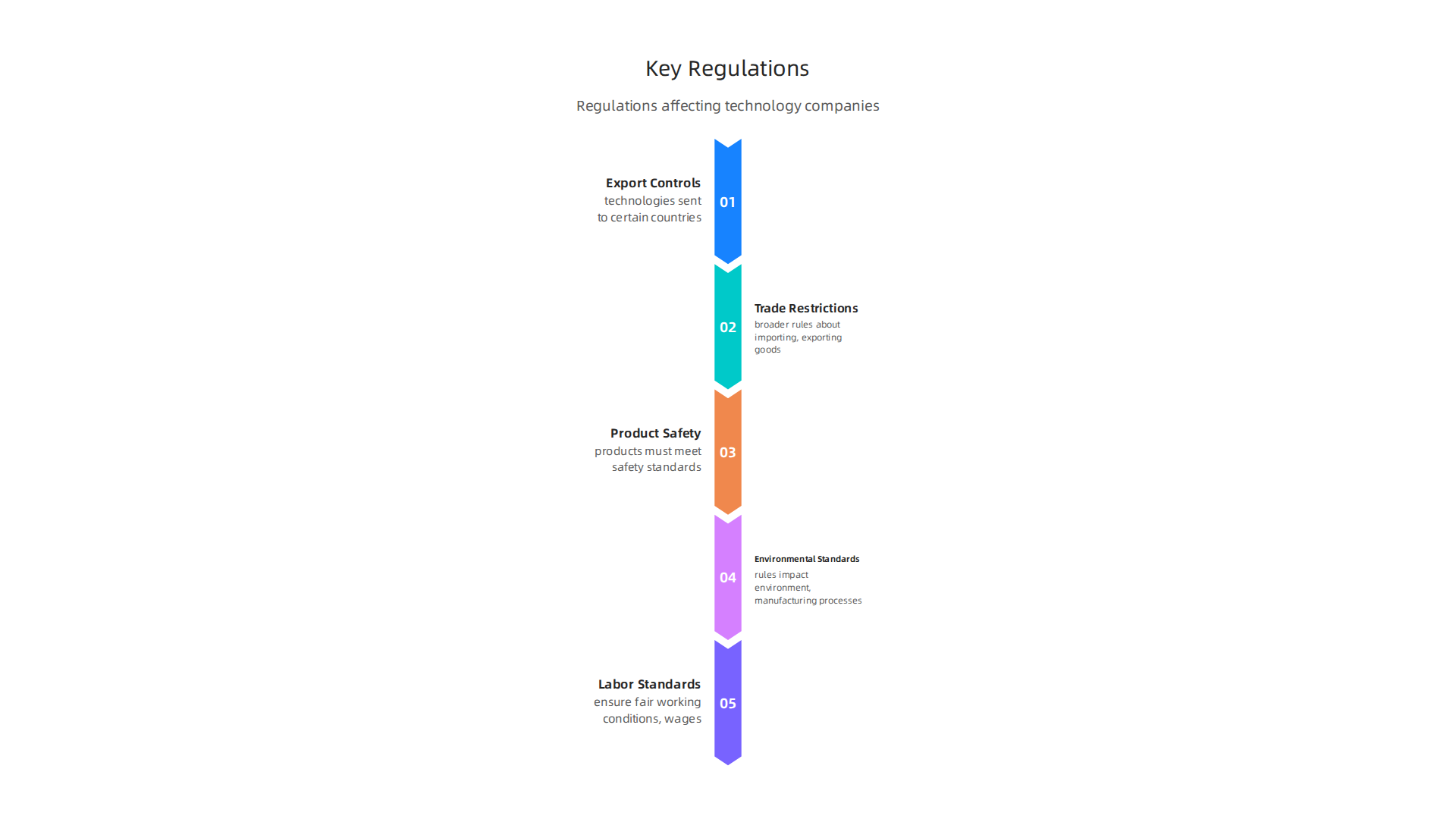
- Export Controls: These rules decide which technologies can be sent to certain countries, especially those seen as competitors. For instance, advanced semiconductors and AI chips are under strict watch by governments.
- Trade Restrictions: These are broader rules about importing and exporting goods, which can include things like tariffs or bans on certain products.
- Product Safety: All products, including the chips Infineon makes, must meet safety standards to protect users.
- Environmental Standards: Companies must follow rules about how they impact the environment, from manufacturing processes to waste disposal. An example includes specific EPA rules for semiconductor manufacturing equipment set to take effect in early 2026 regarding refrigerant use No Action Assurance Regarding the Prohibition for the Manufacture.
- Labor Standards: These rules ensure fair working conditions and wages for employees across all operations.
New Rules and Enforcement in 2026
This year, 2026, has seen many new rules and actions, especially concerning advanced chips and export controls. For example, the U.S. government has been very active in trying to limit China’s ability to make advanced semiconductors and AI technologies. In January 2026, the White House announced new steps, including a 25% tariff on advanced AI chips, and changed how licenses are given for exporting these chips to China US China Chip Export Controls H200 2026: The Policy Shift Explained.
Lawmakers in the U.S. are also looking at new rules to make export controls even tougher. There’s a bill called the MATCH Act that wants to coordinate U.S. export restrictions with other friendly countries New Momentum, Old Problems: Transatlantic Export Control Considerations. Plus, the U.S. Department of Commerce has strengthened export controls to restrict China’s ability to produce advanced semiconductors Commerce Strengthens Export Controls to Restrict China’s Capability to Produce Advanced Semiconductors for Military. Companies like Infineon Technologies need to keep a close eye on these changing rules to make sure they are always compliant.

Some draft rules even suggest that U.S. government approval might be needed to ship AI chips anywhere outside the U.S. US reportedly considering sweeping new chip export controls.
In Europe, there’s also the "Chips Act 2.0" proposal. This aims to boost chip production and reduce Europe’s reliance on outside countries for semiconductors, which could also affect where and how companies like Infineon operate

Proposal for the Chips Act 2.0. Staying on top of these complex global rules is key for any large tech company, whether it’s Infineon Technologies or another player like Aurora Tech.
Staying informed about these fast-moving regulatory changes is a big job for any company. It takes careful planning and constant learning. To navigate this tricky environment, businesses need to have clear strategies. For more detailed insights into these vital areas, check out our guide on Classified technologies in 2026.
If you want to stay ahead of the curve on AI and tech regulations, we recommend a resource that delivers clear, daily updates.
Get clear daily AI updates from The AI Newsletter Worth Reading.
The rules and new laws we talked about earlier have a big effect on how companies like Infineon Technologies get their parts and make their products. It’s like a big puzzle where all the pieces need to fit, but some pieces are getting harder to find or move around. This makes their supply chain very important to watch.
Supply Chain and Geopolitical Risk: Production, Sourcing, and Sanctions Exposure
Making computer chips is a complex process that relies on many different parts and steps, often spread across the world. For companies like Infineon Technologies, this means they need to think about where their materials come from, where their factories are, and if any single place is too important. If one place has too much control, it can be a risk. Many parts of the semiconductor supply chain, for example, are highly concentrated in certain areas, making them vulnerable to problems

Vulnerabilities in the semiconductor supply chain. In fact, there are more than 50 points in the chip-making process where one region controls over 65% of the market share, which means a problem in that one region could stop things for everyone Strengthening the Global Semiconductor Supply Chain in ….
A big challenge comes from geopolitical tensions, which are like disagreements between countries. These disagreements can lead to new trade policies, tariffs (extra taxes on goods), or sanctions (bans on trade). For example, Taiwan and South Korea make almost all of the most advanced chips. This makes the whole supply chain very sensitive to what happens in those regions Semiconductor Supply Chain Solutions – Synergy Associates.
This year, 2026, we’re seeing how these tensions can disrupt things. The U.S. has been putting in place new rules to limit China’s access to advanced chip-making tools and AI technology. For instance, there’s a new bill called the MATCH Act that wants to make export controls even tougher, affecting companies that make equipment for chips, like ASML US targets Chinese chipmaking with proposed export restrictions on ASML and others. Some experts also note that the U.S. controls key "choke points" in the semiconductor supply chain, meaning they have a lot of power over who gets what Addressing America’s Semiconductor Dependency on East Asia.
Such actions can mean that Infineon Technologies, or other tech companies like Dahua Technology, ZEV Technology, and Aurora Tech, might struggle to get the materials they need or to sell their products in certain markets. These trade shifts can change how they plan their production, where they source their components, and who they can sell to. It forces businesses to think hard about where their risks are and how to build a stronger, more spread-out supply network. Understanding these risks is part of a bigger picture of staying compliant with many kinds of rules. To learn more about how companies navigate the complex world of global AI regulations, consider reading about Mastering Global AI Regulations 2026.
Business and Financial Impacts: Revenue Mix, Investment Priorities, and Regulatory Costs
When companies like Infineon Technologies face new rules, tariffs, or trade bans, it doesn’t just make their supply chain harder to manage. It also hits them right in their wallets.

These changes can mess with how much money they make, where they choose to put their investments, and how much they have to spend just to follow the rules.
How Regulations Affect Money and Spending
First, let’s talk about money. When a company needs to change how it gets parts or sells products because of new regulations, it often means higher costs. For example, finding new suppliers or building factories in different places can be very expensive. These extra costs can make it harder for companies to make a good profit. This squeeze on profits is called "margin compression."
Companies like Infineon Technologies must also spend more on making sure they follow all the rules, which adds to their "regulatory costs." This includes money for legal advice, new systems, and staff training. If a company does not follow these rules, it can face huge fines. Learning about compliance strategies to avoid million dollar fines is key for businesses this year.
Changing Where Money Goes
Because of these new challenges, companies have to rethink their "investment priorities." Instead of just building more factories where it’s cheapest, they might need to build them in safer, but perhaps more expensive, regions. This is about making their supply chains stronger and less likely to break down. Many companies are now looking for ways to make their supply chains more flexible and ready for problems, showing a clear shift in how they invest their money Semiconductor supply chain resilience and disruption: insights, mitigation, and future directions.
This means they might invest less in some areas and more in others. For instance, companies like Dahua Technology, ZEV Technology, and Aurora Tech might need to put more money into local production or new technologies that are less affected by trade wars.
How Sales and Overall Value Change
The "revenue mix" of a company also changes. If sanctions stop a company from selling products in a big market, they lose those sales. They then need to find new markets or sell different kinds of products. This can cause their overall income to go down. For example, Infineon Technologies saw its Group revenue decline by 2 percent in fiscal year 2025 compared to the previous year Annual Report 2025. However, for 2026, Infineon Technologies has been trying to stay strong and has even raised its full-year revenue outlook to more than EUR 16 billion Infineon Technologies Q2 2026 sees stock rise on positive outlook. This shows that while there are big challenges, companies are also working hard to adjust.
For investors, these changes create new "scenarios that change valuation." They look at a company’s ability to handle these risks. A company that can successfully manage regulatory challenges and adapt its business strategy will be seen as more valuable. This also means investors care more about a company’s long-term plans to build strong and flexible operations.
Staying informed about these fast-moving regulatory and financial trends is a must for any business leader.
Get clear daily AI updates from The Deep View Newsletter. The AI Newsletter Worth Reading
The world of technology and trade rules is always moving, and companies like Infineon Technologies need to keep looking forward. What happens next with laws, new tech, and the big choices companies make will greatly change their path.
Expected New Rules and Tech Growth
In 2026, we’re seeing big changes in how governments want to control advanced chips and AI. The United States, for example, is putting in place new rules to limit where AI chips and chip-making tools can go, especially to China. These rules include things like a 25% extra cost on some advanced AI chips and special licenses for sending them out US China Chip Export Controls H200 2026: The Policy Shift Explained.
This means companies such as Infineon Technologies, Dahua Technology, ZEV Technology, Aurora Tech, and Century Tech must be very careful about who they sell to and what they sell. There are even talks about making other countries invest in US AI data centers if they want to buy many chips.
Europe is also working on its own plans. The "Chips Act 2.0" is being put forward to make Europe stronger in making its own chips and not rely so much on other countries Proposal for the Chips Act 2.0 | Shaping Europe’s digital future. This could mean new chances for Infineon Technologies to build more in Europe, but also more rules to follow there.
On the technology side, we’re seeing more and more AI being used everywhere. This brings new worries about how to keep AI safe and fair, which will lead to even more rules. Companies that can create new, smart technologies while also following all the rules will be the winners. Learning about mastering global AI regulations 2026 for Wave AI compliance is important for all businesses using AI.
Smart Steps for Leaders and Investors
For company leaders and their teams who handle rules, staying on top of these changes is a big job. They need to:
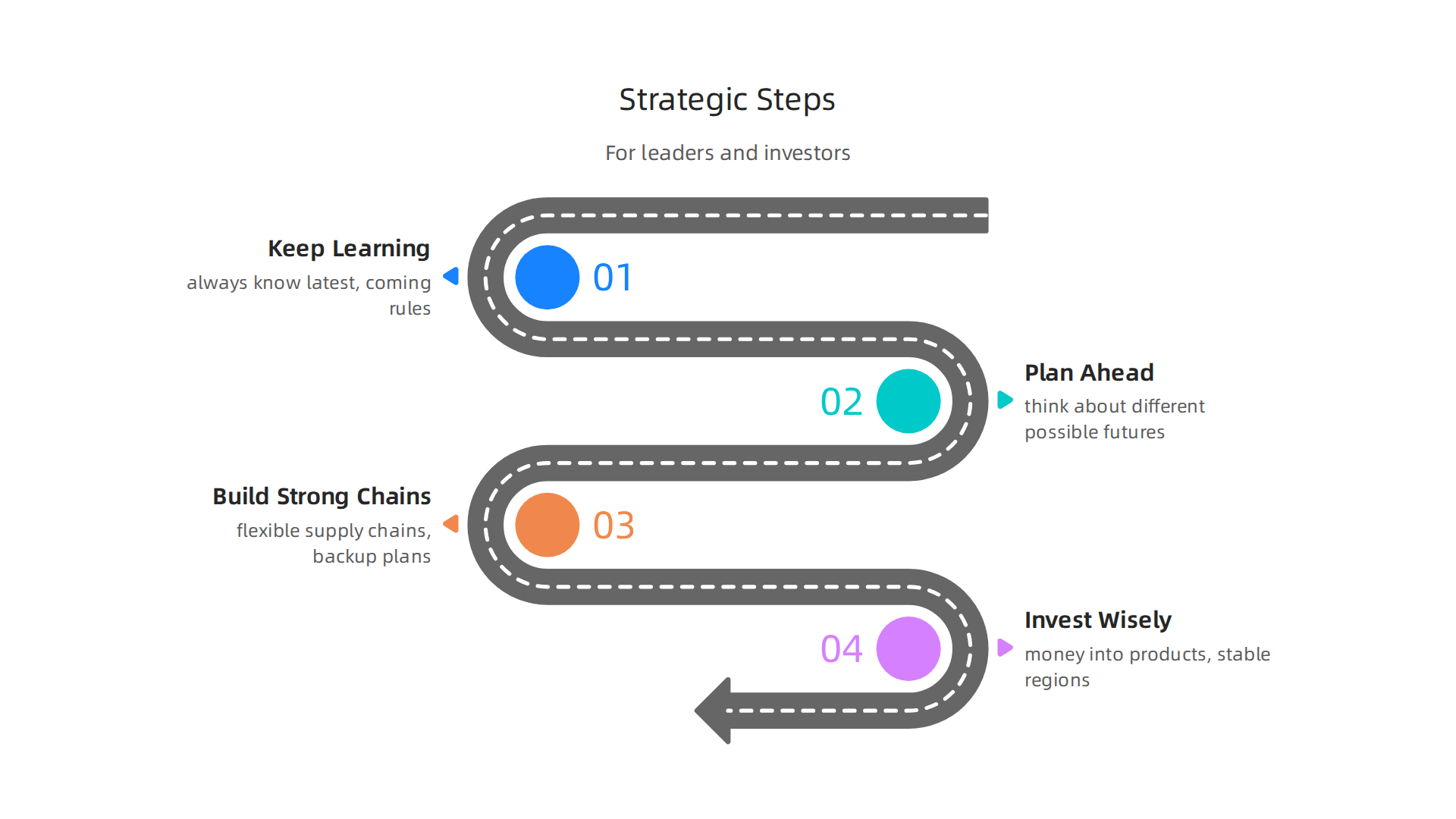
- Keep Learning: Always know the latest rules and what new ones might be coming. This means watching what governments in different countries are doing.
- Plan Ahead: Think about different possible futures. What if a new rule stops us from selling in a key market? How would we switch our business?
- Build Strong Chains: Make sure their supply chains are flexible. This means having backup plans and maybe making parts in more than one country.
- Invest Wisely: Put money into making products that fit new rules or into places where rules are more stable.
For investors, it’s about looking at how well a company like Infineon Technologies can handle these big shifts. Companies that show they can change, stay compliant, and keep innovating will be seen as safer and more valuable over time. This ongoing attention to regulatory trends and strategic choices will define success in the years ahead.
Summary
This article explains why Infineon Technologies is strategically important in 2026 for regulators, investors, and founders by outlining what the company makes, where it sells, and how it competes. It breaks down Infineon’s core segments—automotive, industrial power control, power & sensor systems, and connected secure systems—and highlights the firm’s technical strengths in power management, sensors, and microcontrollers. The piece reviews recent financial performance and expansion moves, then shows how evolving export controls, tariffs, and proposals like Chips Act 2.0 alter markets and create compliance burdens. It covers semiconductor supply‑chain concentration and geopolitical choke points that raise operational risks, and explains how rules drive higher costs, shifted investment priorities, and changing revenue mixes. Finally, the article offers practical guidance for company leaders and investors—stay informed, plan scenarios, strengthen supply chains, and align investments to regulatory realities—to help readers navigate the fast‑moving intersection of chips, AI, and policy.