

Why ‘Virtual Intelligence’ Matters for Leaders, Investors, and Compliance Teams
In 2026, the world of technology moves faster than ever, especially with things like artificial intelligence, which we call "virtual intelligence" here. It’s truly amazing to see how quickly virtual intelligence is growing and changing. Many new tools help companies augment AI and create autonomous AI systems. But with all this speed comes a big problem: confusion.
It’s hard for people to understand what all these new terms mean. What is virtual intelligence, really? What makes one type different from another? There are so many ideas and definitions out there. Experts often describe artificial intelligence as a wide idea where machines do tasks that usually need human thinking, like making guesses or translating languages, or even making pictures and videos Artificial Intelligence (AI) Taxonomy. But even within that, there are many different ways to think about it. Some groups try to make sense of it all with special ways to group and define AI AI taxonomy – Royal Academy of Engineering.
This confusion makes it tough for important people to do their jobs well. Leaders need to know where to put their company’s money and effort.

Investors want to make smart choices. And compliance teams have to make sure everything follows the rules and stays within good AI ethics guidelines. If no one truly understands the basic parts of virtual intelligence, how can they make good plans or keep things safe?
This guide is here to help. We will break down these big ideas into smaller, easier-to-understand parts. You will learn the important differences between types of virtual intelligence, how to think about strategy, and what to look for regarding risks and rules. Our goal is to make sure you feel ready AI ready and clear on what matters most for your business and investments in 2026.
Staying informed about virtual intelligence and its many regulations can be a full-time job. For quick, understandable updates every day, you should consider getting more insights. The AI Newsletter Worth Reading delivers clear daily AI updates from The Deep View Newsletter, helping you keep up without feeling overwhelmed.
Getting a clear picture of virtual intelligence starts with understanding what it actually is. As we said before, "virtual intelligence" is the term we use for what many people call artificial intelligence, or AI. It’s a big idea where machines do tasks that normally need human thinking. This can include things like making good guesses, understanding what you say, or even creating new images and words AI Taxonomy: Making Sense of Artificial Intelligence.
Think of virtual intelligence as a very large umbrella. Underneath this umbrella are many different ways machines learn and act smart.
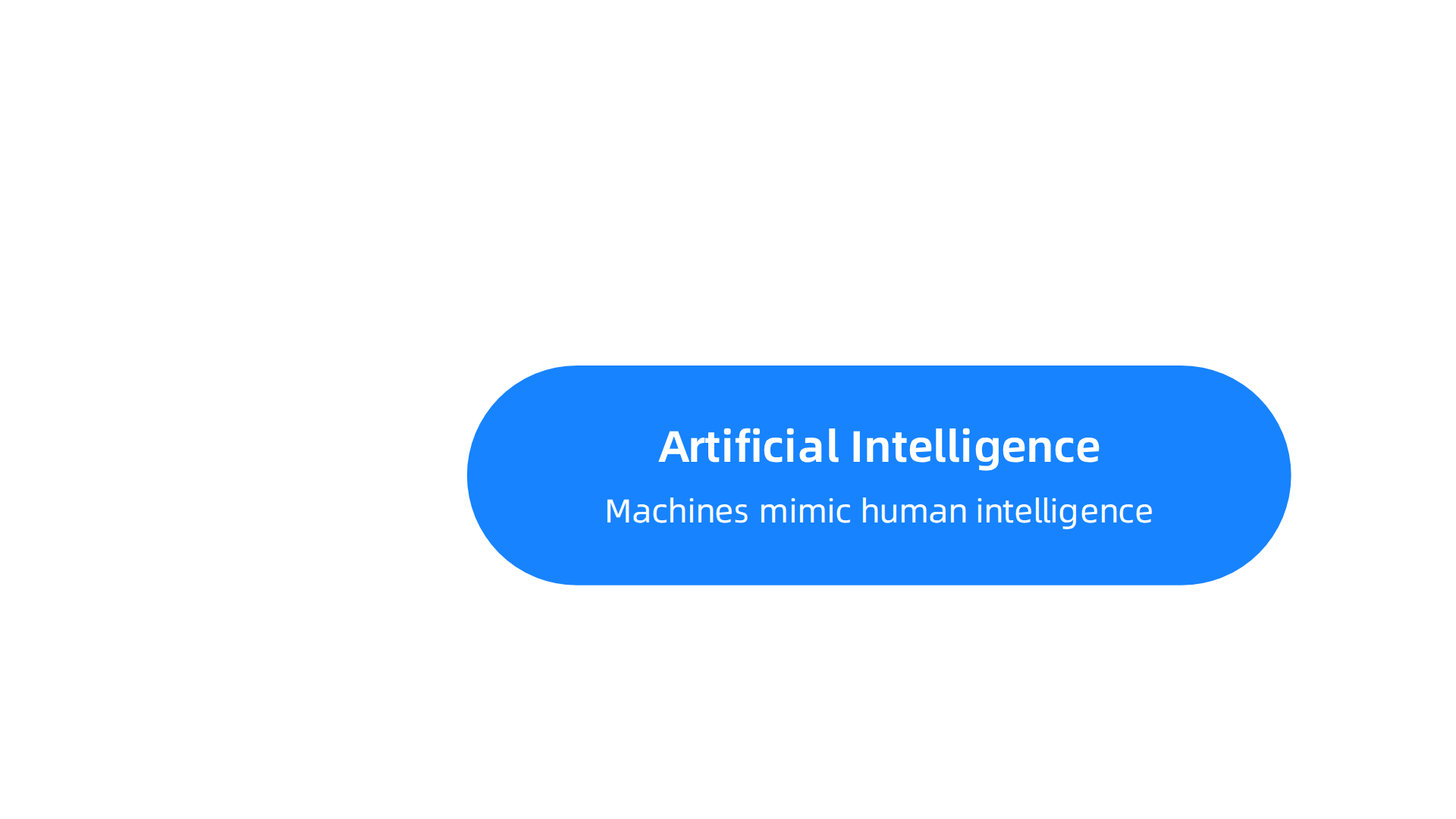
- Artificial Intelligence (AI): This is the broadest idea. It’s about building machines that can mimic human intelligence. They can solve problems, learn, and make decisions. Virtual intelligence falls right into this main category.
- Machine Learning (ML): This is a key part of AI. Machine learning is when computers learn from a lot of data without being told every single step. They find patterns in the data and use those patterns to make choices or predictions. For example, if you show a machine many pictures of cats, it learns what a cat looks like on its own. It’s how these systems get smarter over time. If you want to dive deeper into how machines learn, understanding the basic parts of how they think is helpful, like learning about Artificial neural network basics every business leader needs to understand.
- Cognitive Computing: This area is about systems that try to think and reason more like humans do. They can understand language, talk back, and even feel emotions in a simple way. It’s a step towards more advanced virtual intelligence.
Most of the virtual intelligence we use today is "narrow AI." This means it’s really good at one specific task. For example, a virtual intelligence that plays chess is great at chess, but it can’t drive a car or write a book. It helps to augment AI, meaning it helps people do their jobs better by taking on specific, repeatable tasks.
The big goal for some is "general AI," where machines could do any thinking task a human can. But we’re not there yet in 2026. The scope of virtual intelligence also includes autonomous AI, which are systems that can make their own decisions and act on them, learning as they go.
The most important things for virtual intelligence to work are data and context. Machines learn from the data we give them. If the data is bad or unfair, the virtual intelligence will make bad or unfair choices. This is why discussions around ai ethics are so important. Understanding these clear differences and limits helps everyone feel ready AI and make better decisions in our fast-changing world.
For any virtual intelligence to work, it needs a few key parts that all work together. Think of it like a puzzle where each piece is needed for the whole picture to make sense. In 2026, most experts look at these systems through three main layers: data, models, and compute.
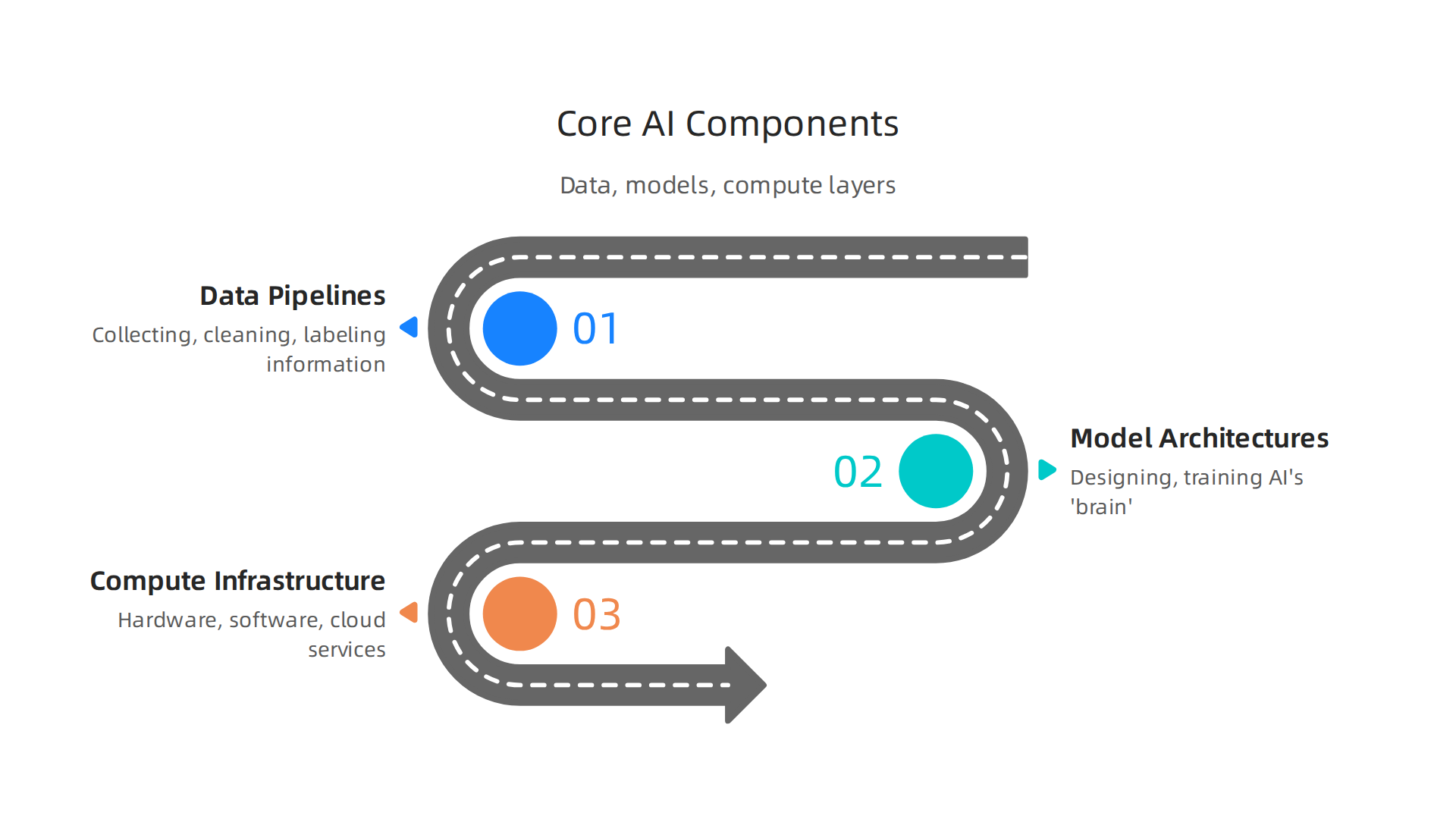
Core Components of an AI System: Data, Models, and Compute
Building a smart virtual intelligence system, like those used today, requires careful work in these three areas.

They create the foundation for everything the AI does, from simple tasks to complex decisions. Understanding these parts helps us see how these systems are put together and why some things matter more than others, especially when we talk about ai ethics. Many modern systems follow this setup, sometimes called an AI System Design: A Complete Guide (2026).
Data Pipelines and Labeling
First up is "data." Data is like the food for virtual intelligence. Without it, the system has nothing to learn from. This part includes how we:
- Collect data: Gathering information from many places, like sensors, websites, or documents.
- Clean data: Making sure the information is correct and free of errors. If the data is bad, the AI will learn wrong things.
- Label data: Adding tags or names to the data so the AI knows what it’s looking at. For example, marking pictures of cats as "cat." This process is crucial for how the system understands the world. Experts talk about how to prepare data for AI at scale.
The quality of this data is super important. If the data has biases or isn’t fair, the virtual intelligence can make unfair choices or give wrong answers. This is a big part of why ai ethics is such a hot topic in 2026, leading to many discussions about new rules. For businesses, handling this data layer well is a key part of the Enterprise AI Stack in 2026.
Model Architectures and Training
Next, we have "models." If data is the food, the model is the "brain" that eats the food and learns. A model is a computer program that learns patterns from the data.
- Architectures: This refers to how the model’s brain is designed. There are many different ways to build these "brains," depending on what task the virtual intelligence needs to do.
- Training: This is the learning part. The model looks at huge amounts of data, finds patterns, and makes predictions. It gets better and smarter the more it trains. This is where machine learning really shines. The tools and steps for building and training these models are part of what’s called the AI Tech Stack 2026.
Models are what allow virtual intelligence to solve problems, understand language, or create new things based on what they’ve learned from the data.
Compute and Infrastructure
Finally, there’s "compute" or "infrastructure." This is like the body that holds the brain (model) and processes the food (data). It’s all the powerful computers, hardware, and special chips needed to run and train these big virtual intelligence models.
- Hardware: This includes things like special computer chips called GPUs, which are very good at doing the math that AI models need.
- Software: This involves the programs that manage how the hardware works and keeps everything running smoothly.
- Cloud Services: Many companies use powerful computers over the internet, known as cloud computing, to handle the huge tasks of training and running AI.
The need for powerful compute is so big that companies are building "AI factories" in 2026. These are special setups designed just for AI processing AI infrastructure reckoning. Without enough compute power, even the best data and models can’t work well.
Practical Implications and Risks
Each of these core parts of virtual intelligence brings its own challenges and risks.
- Data problems can lead to unfair results or privacy issues.
- Model errors can cause wrong decisions or predictions.
- Compute problems can mean high costs, slow performance, or system failures.
Making sure these parts work well and safely is key to being ready ai. It’s also why many countries are creating rules about how companies can use virtual intelligence. Staying updated on these changing rules is important for any business. To help understand the quickly changing world of AI and its rules, you can get daily updates.
Get clear daily AI updates from The AI Newsletter Worth Reading.
This focus on safety and fairness is part of what it means to build virtual intelligence that we can trust and use responsibly. Businesses need to understand AI regulations 2026 compliance strategies for businesses to avoid problems.
After looking at the building blocks of virtual intelligence systems, it’s time to see how these "brains" actually learn and work. Just like people, AI systems learn in different ways. Some learn from examples, some find patterns on their own, some learn by trying things out, and others even create new things. Knowing these different ways helps us understand when to use which type of AI and what problems might come up.
Common Techniques: Supervised, Unsupervised, Reinforcement, and Generative Models
Building a smart virtual intelligence system means picking the right learning method for the job. In 2026, there are four main types of learning that most AI models use.
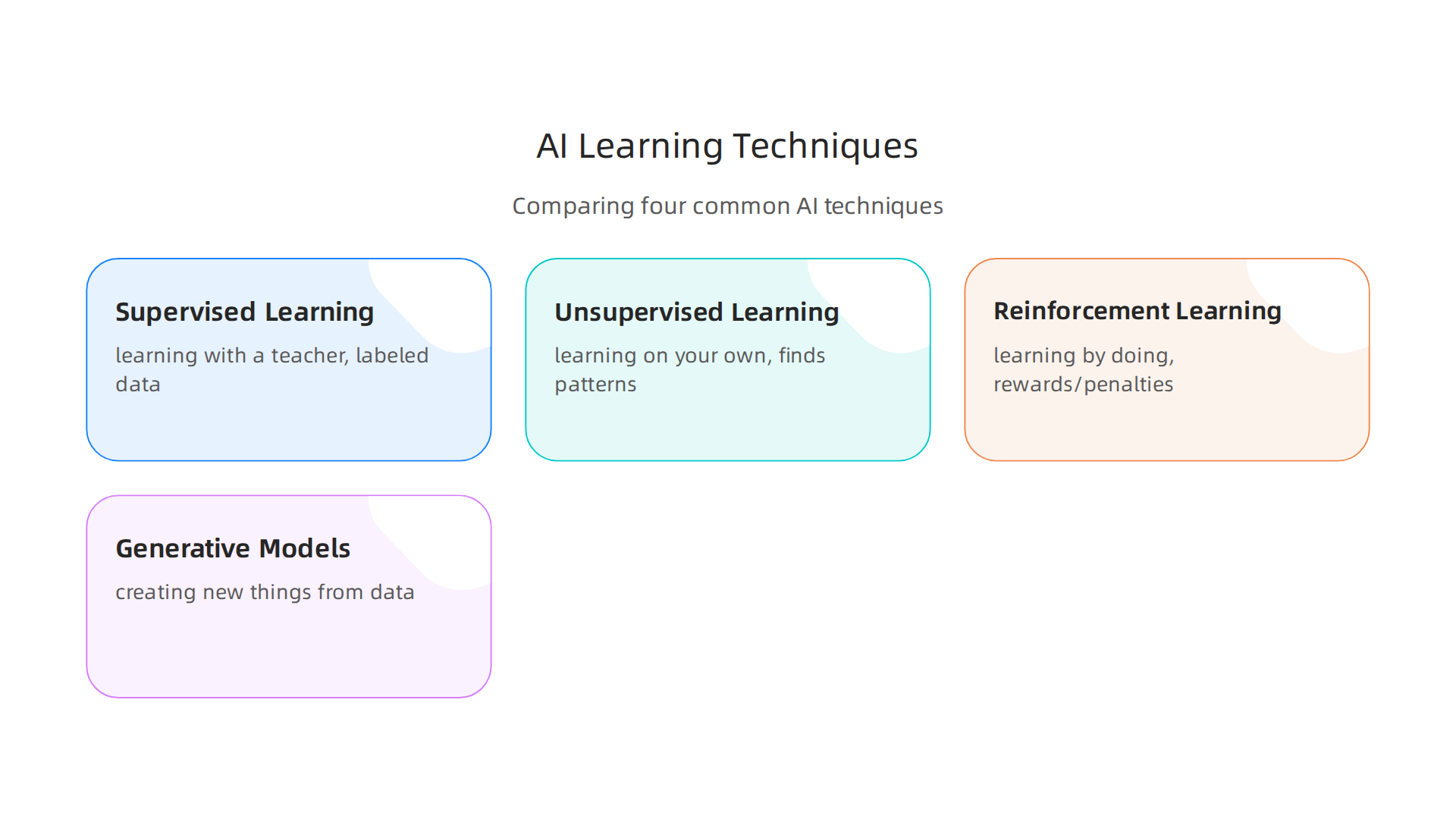
Each type works best for certain tasks and has its own set of rules and potential issues.
Supervised Learning: Learning with a Teacher
Think of supervised learning like a student learning from a teacher. The AI is given many examples where both the "question" and the "correct answer" are known. It learns by seeing these pairs and figuring out the rules.
- How it works: The model uses data that has already been labeled. For instance, pictures are marked "cat" or "dog," or emails are tagged "spam" or "not spam." The AI learns to connect the input (picture or email) to the correct label.
- Use cases: This is great for tasks like predicting future sales, finding spam emails, or recognizing objects in photos.
- Trade-offs and Risks: Supervised learning works best when you have lots of good, labeled data. But if the data has unfairness or
bias, the AI will learn those biases too. This can lead to wrong or unfair results, which is a big part ofai ethicsdiscussions.
Unsupervised Learning: Learning on Your Own
Unsupervised learning is like learning without a teacher. The AI is given data, but it doesn’t have any right or wrong answers. Instead, it tries to find hidden patterns, groups, or structures in the data all by itself.
- How it works: The model looks for similarities in data to group things together. It might find that certain customers tend to buy similar items, or that some data points are very different from others.
- Use cases: This is useful for grouping customers for marketing, finding unusual activity (like fraud), or making data simpler to understand.
- Trade-offs and Risks: Since there’s no "teacher," it can be harder to know if the AI’s findings are truly useful or just random patterns. Results can sometimes be surprising or hard to explain. Also, if the original data has problems, the patterns the AI finds might not be fair or complete.
Reinforcement Learning: Learning by Doing
Reinforcement learning is like learning to ride a bike. The AI, called an "agent," tries different things and gets rewards for good actions and penalties for bad ones. Over time, it learns what actions lead to the best outcomes. This is often how autonomous ai systems are trained.
- How it works: The AI interacts with an environment, makes decisions, and gets feedback. It tries to maximize its "reward."
- Use cases: This method is key for teaching self-driving cars, making robots perform tasks, or having AI play complex games.
- Trade-offs and Risks: Training these models can take a very long time, and sometimes their behavior can be unpredictable, especially in new situations. Ensuring safety and predictability is vital, especially when an AI makes its own decisions, highlighting the need for
ready aisystems. To dive deeper into AI that acts independently, you can learn about What is Agentic AI and How it is Changing Business in 2026.
Generative Models: Creating New Things
Generative models are a more recent and exciting type of virtual intelligence. They learn from existing data to create brand new content that looks or sounds real.
- How it works: After seeing many examples (like thousands of pictures of faces), the AI learns the rules of how faces are made. Then it can create a brand new face that never existed before.
- Use cases: This is used for creating realistic images, writing text, making music, or even generating new ideas, effectively helping to augment AI for business in creative fields.
- Trade-offs and Risks: While powerful, these models bring their own ethical concerns. They can create very convincing fake images or videos (deepfakes), which can spread wrong information. There are also questions about who owns the new content created by AI and how to ensure fairness in what it generates.
Choosing the right type of learning model is crucial for building effective and trustworthy virtual intelligence. Each method has its strengths and weaknesses, and understanding them helps businesses use AI responsibly and follow ai ethics guidelines. Thinking about how to design an AI system that acts and complies with rules is very important, as discussed in AI Architecture in 2026: Designing Systems That Think, Act, and Comply. For a broader look at AI and machine learning, a good place to start is with Artificial Intelligence and Machine Learning Explained for 2026 Business Leaders.
After learning about the different ways virtual intelligence systems learn, the next big question is: How do we know if they are actually doing a good job? Just like grading a student’s test, we need ways to measure how well an AI performs. This helps us understand if the AI is ready for real-world tasks, especially in 2026 where AI is used more and more.
Common Metrics: How We Measure AI
To see if an AI is working well, we use different tools called "metrics."

These are like different kinds of rulers for measuring different things.
-
Accuracy: This is the simplest way. Accuracy tells you how many correct answers the AI gave out of all the questions it was asked. If an AI correctly labels 90 out of 100 pictures, its accuracy is 90%. It’s a basic score that shows overall correctness of the model’s predictions
Evaluation Metrics in Machine Learning. -
Precision: Imagine an AI tries to find all the "spam" emails. Precision asks: Out of all the emails the AI said were spam, how many were actually spam? High precision means fewer false alarms. The proportion of positive guesses that are truly positive is what precision focuses on
Classification: Accuracy, recall, precision, and related metrics. -
Recall: Using the spam example again, recall asks: Out of all the emails that were actually spam, how many did the AI successfully find? High recall means the AI didn’t miss many real spam messages. This helps us see how well an AI can find all the right items
What Is Accuracy, Precision, Recall, and F1 Score?. -
F1-Score: Sometimes, an AI might have very high precision but low recall, or vice versa. The F1-Score helps balance these two. It gives a single number that shows a good mix of both precision and recall, especially when dealing with data where one type of answer is much rarer than another
F1 Score for AI Evaluation Precision and Recall. -
AUC (Area Under the Curve): This metric is often used for tasks where the AI needs to rank things, like deciding which customers are most likely to buy something. It helps understand how well the model can tell the difference between different groups.
-
BLEU and Perplexity: These are special metrics for
virtual intelligencethat create things, like Generative models that write text or translate languages.- BLEU (Bilingual Evaluation Understudy) measures how good a machine translation is by comparing it to human translations. A higher score means a better match.
- Perplexity measures how well a language model predicts the next word in a sentence. A lower perplexity means the model is better at understanding and generating natural-sounding text.
Benchmark Limitations and When They Mislead
Benchmarks are like standardized tests for AI. They are a set of common problems used to compare different AI systems. While they are helpful, relying only on a single number from a benchmark can be risky.
-
Not the Whole Picture: An AI might get a very high score on a specific benchmark, but that doesn’t always mean it will work perfectly in the real world. Real-world situations are much more complex and messy than test examples. For systems that become
autonomous AI, ensuring they perform safely in unpredictable environments is critical, not just scoring high on a test. -
Bias in Benchmarks: Just like we talked about
biasin supervised learning, benchmarks can also have unfairness. If the data used to create the benchmark is not fair or doesn’t represent everyone, then the AI that scores well on it might still be unfair or make mistakes when used by different groups of people. This is a big concern forAI ethics. -
Over-reliance is Risky: In sensitive areas, like healthcare or legal decisions, simply having a high benchmark score isn’t enough. We need to look at all the metrics and understand why the AI makes certain choices. We need to make sure
ready AIsystems are transparent and trustworthy. For businesses, overlooking these details can lead to big problems with compliance and trust. To stay informed on these critical developments, you might find The AI Newsletter Worth Reading helpful.
Understanding these metrics and their limits helps us truly see if a virtual intelligence system is capable and responsible. It’s not just about how "smart" an AI is, but also how fair, safe, and reliable it is when it needs to be. For more insights into how to build technology strategies that ensure compliance and readiness, consider reading about How to Make an AI Compliant with Global Regulations in 2026.
When we talk about how well an AI works, it’s not just about its scores on a test. We also need to think about how safe, fair, and strong it is. This is extra important in 2026 as virtual intelligence systems are doing more and more important jobs.
AI Safety: Making Sure AI Doesn’t Cause Harm
AI safety is all about making sure that virtual intelligence systems do what they are supposed to do, without causing problems or unexpected bad outcomes. This is especially true for autonomous AI, which can act on its own.
- What Happens When AI Fails? We need to think about "failure modes." This means understanding all the ways an AI could go wrong. What if it gives bad advice? What if a self-driving car makes a mistake? Knowing these helps us build safer systems and put safeguards in place.
- Surprise Changes in the World: Sometimes, an AI is trained on one type of data, but then the real world changes. This is called a "distributional shift." For example, an AI that recognizes traffic signs might get confused if new types of signs appear. Or, if the AI is used in a new country with different rules. We need
ready AIthat can handle these changes without breaking down. - Tricking the AI: There are also "adversarial risks." This is when someone tries to trick or fool an AI on purpose. Imagine if someone made a small change to a picture that humans can’t see, but it makes the AI think it’s something completely different. Protecting against these tricks is key to keeping AI safe.
- People Watching Over AI: Even the smartest
virtual intelligenceneeds "human oversight models." This means people need to be in charge. Humans should monitor AI, understand why it makes certain decisions, and be able to step in and fix things if the AI starts to act strangely or unfairly.
Bias in AI: Making Sure AI Is Fair
We talked a bit about how benchmarks can be unfair. Now, let’s look at why AI can be biased and how to make it more just. AI ethics is all about building AI that treats everyone fairly and respects people’s rights.
- Unfair Training Data: A big reason for
biascomes from the data used to teach the AI. If the training data doesn’t represent everyone or has unfair patterns from the past, the AI will learn those unfair patterns. It’s like teaching a child only one side of a story. - Human Labeling Mistakes: Sometimes, people who label the data for the AI might have their own biases. If they label certain groups of people or items unfairly, the AI will pick up on that.
- How the AI Is Built: Even the choices made in designing the AI model can lead to bias. Some models might be better at learning from certain types of data than others, which can make them less fair for everyone.
To fix these issues, we need to:
- Use Better Data: We must collect training data that is diverse and fair, making sure it includes everyone.
- Check Labels Carefully: We need to review how data is labeled to make sure it’s done without unfair preferences.
- Test for Fairness: It’s important to test AI systems for fairness with different groups of people or different types of data. This helps us see if the AI is making fair choices for everyone.
Understanding and dealing with these safety and bias issues is not just a technical problem; it’s about being responsible. For businesses in 2026, making sure AI systems are safe and fair is vital for trust and avoiding big problems. To learn more about common risks, consider Why is AI Bad: The Real Risks of Unrestricted Artificial Intelligence in 2026. This proactive approach also helps with legal requirements. Understanding how to navigate these challenges is key to compliance, and you can find more information on AI Regulations 2026 compliance strategies.
When virtual intelligence systems become smarter and more common, the rules about how they can be used also grow. It’s not enough to just make sure an AI is safe and fair; businesses also need to follow the laws. This is what we call "regulatory implications." In 2026, governments around the world are making new rules for AI to protect people and make sure companies are responsible.
What Businesses Need to Think About for AI Rules
For anyone in charge of a company, or part of a legal team, there are key areas to understand about AI regulations. These areas often connect directly to the way an AI system is built and used.
- Transparency: What the AI Does: Regulators want to know exactly what an AI system is designed to do. This means being clear about its purpose, how it makes choices, and what kind of data it uses. If an
autonomous AImakes a decision, people should be able to understand the basic steps it took. This helps ensure that the AI isn’t doing anything hidden or harmful. - Explainability: Why the AI Made a Choice: Beyond knowing what an AI does, it’s also important to understand why it made a specific decision. This is especially true if the AI impacts a person’s life, like approving a loan or flagging a health issue. Regulators expect companies to be able to explain the main reasons behind an AI’s output, even for complex
augment AIsystems. This builds trust and helps people challenge unfair outcomes. The European Union, for example, has strict rules about high-risk AI systems needing clear documentation and traceability of results, as outlined in the AI Act | Shaping Europe’s digital future – European Union. - Data Protection: Keeping Information Safe:
Virtual intelligencesystems often use a lot of data. Many rules, like those for data privacy, make sure this data is collected, stored, and used properly and safely. This means getting permission when needed, protecting personal information, and making sure data isn’t used in ways that hurt people. Businesses need to show that their AI systems handle data with care. - Liability: Who Is Responsible?: If an
autonomous AIsystem causes harm, who is at fault? Is it the company that made the AI, the company that used it, or someone else? Regulations aim to make these responsibilities clear. This helps everyone understand who is accountable when things go wrong and helps prevent future problems.
A Checklist for AI Deployment
To help executives and legal teams stay on top of AI ethics and regulations in 2026, here’s a simple checklist of questions to ask before using any virtual intelligence system:
- Do we know where AI is used in our business? This means identifying every place an AI system makes decisions or helps make them.
- Have we checked the risks to people? Think about how the AI could negatively affect individuals or groups. Regulators want companies to identify and assess risks to people and their basic rights, according to Governing AI in 2026.
- Can we explain how our AI works? Are we able to tell a customer or a regulator how and why a decision was made?
- Is our training data fair and diverse? Remember, biased data leads to biased AI.
- Are we protecting the data our AI uses? Make sure all personal information is kept private and secure.
- Who is in charge if the AI makes a mistake? Have clear lines of responsibility for AI failures.
- Do we have clear policies for AI use? Your company should have rules about how
ready AIand other systems are developed and used. - Are we keeping good records? Documenting your AI systems, their purpose, and how they meet rules is important. This shows you are being accountable.
Navigating the world of AI regulation can feel like a maze, but understanding these core ideas and asking the right questions can make it much simpler. For more guidance on managing technology rules, check out how to make an AI compliant with global regulations in 2026. Staying informed is the first step to smart AI use. To keep up with all the rapid changes in AI and tech policy, you’ll find that The AI Newsletter Worth Reading offers daily updates that cut through the noise.
After checking the boxes on an AI readiness checklist, the real work begins. It’s not enough to just know what the rules are; businesses must also put them into practice every day. This means managing your virtual intelligence systems from when they are first thought of, to when they are no longer used. This whole process is called "operationalizing" AI.
Operationalizing Virtual Intelligence: Deployment, Monitoring, and Lifecycle Management
Making sure your virtual intelligence systems follow the rules is a ongoing job. It involves several key steps that happen throughout the AI’s life.
Steps for Managing AI Over Time
- Careful Testing
Before anyready AIsystem goes live, it needs lots of testing. This testing makes sure the AI works right, but also that it’s fair and safe for everyone. It’s important to look for any hidden biases or surprising ways the AI might act. For example, testing should include checks to make sure the AI doesn’t perform worse than before on important tasks, which are called regression tests, and also safety checks ⁽¹⁾. - Putting AI to Work
When an AI is ready, it’s put into action, or "deployed." This means fitting it into your company’s normal work. For anautonomous AIagent, this includes integrating it into how your business already operates, making sure it has the right access and controls ⁽²⁾. - Constant Watching
Once anaugment AIsystem is working, you can’t just leave it. You need to keep an eye on it all the time. Is it still doing what it’s supposed to? Is it still fair? Are there new problems showing up? Monitoring helps you catch issues early and keeps the AI working well and ethically ⁽³⁾. - Fixing Problems (Incident Response)
Sometimes, even with the best plans, an AI might make a mistake or cause a problem. Companies need a clear plan for what to do if this happens. This "incident response" plan helps you fix problems fast, understand why they happened, and prevent them in the future. Having a way to respond to AI problems is a core part of good AI management ⁽⁴⁾. - Taking AI Out of Service
AI systems are not meant to last forever. When an AI is old, not useful anymore, or too risky, it needs to be stopped. This is called "model retirement." It’s just as important as putting it into service and ensures the AI lifecycle is complete and safe ⁽¹⁾.
Important Papers and Records for Trust
To truly make sure your AI systems are trustworthy and follow the rules, good record-keeping is a must. These records help show how your AI works and that you’re being responsible.
- Model Cards: Think of these like a quick guide for each AI system. They tell you what the AI is for, how it was trained, and what it’s good at (and not so good at). This helps everyone understand the AI better.
- Data Sheets: These papers explain all about the data used to teach the AI. Where did it come from? Was it cleaned? This helps make sure the data itself is fair and safe. Knowing exactly what data was used for each model’s output is called full data lineage tracking ⁽⁵⁾.
- Audit Trails: These are like a detailed diary of every decision an AI makes. They show step-by-step how an AI reached a certain outcome. This is super helpful for checking why a decision was made and proves accountability ⁽⁶⁾.
By managing the whole life of an AI system with these steps and keeping good records, businesses can make sure their virtual intelligence tools are not only powerful but also responsible and compliant with the latest AI ethics standards in 2026. For more ways to handle these new rules, explore different AI Regulations 2026 Compliance Strategies for Businesses.
(1) AI Model Lifecycle Guide 2026: Management, Versioning …
(2) AI Agent Lifecycle: From Design to Optimization in 2026 – Alternates.ai
(3) AI Lifecycle Explained: Stages, Tools & Best Practices 2026
(4) Smart AI Governance in 2026
(5) An Ultimate Guide to AI Regulations and Governance in 2026
(6) AI Governance and Regulation 2026: A Complete Guide to …
Summary
This article explains why the term "virtual intelligence" matters for leaders, investors, and compliance teams in 2026 and breaks down complex AI topics into clear, actionable ideas. It defines virtual intelligence and the difference between narrow, autonomous, and general AI, then walks through the three core system layers—data, models, and compute—and why each matters for performance, cost, and risk. You will learn the main learning techniques (supervised, unsupervised, reinforcement, generative), how common metrics (accuracy, precision, recall, F1, AUC, BLEU, perplexity) evaluate models, and the limits of benchmarks. The guide highlights safety and bias risks, the importance of human oversight, and practical regulatory needs like transparency, explainability, data protection, and liability. Finally, it gives a simple deployment and lifecycle playbook—testing, monitoring, incident response, model retirement—and recommends documentation (model cards, data sheets, audit trails) to stay compliant and trustworthy. After reading, executives and compliance teams will know what to check, how to measure readiness, and the steps to operationalize AI responsibly.